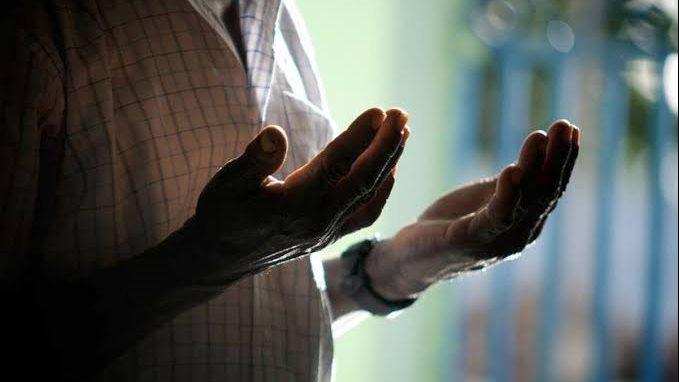

People go through difficult periods in which worries become overwhelming and feelings of distress and sadness grow stronger. During such moments, Muslims turn to Allah through prayer, supplication and sincere devotion, seeking His mercy and relief.
Among the supplications that may be made during hardship is:
“My Lord, indeed adversity has touched me, and You are the Most Merciful of the merciful.”
This supplication expresses a servant’s reliance on Allah and appeal to His mercy during times of difficulty and distress.
Supplications for Peace of Mind
Among the comprehensive supplications that seek continued blessings, well-being and protection from hardship is:
“O Allah, I seek refuge in You from the removal of Your blessing, the loss of Your well-being, the suddenness of Your punishment, and all that incurs Your displeasure.”
A Muslim may also ask Allah for lasting blessings, provision and righteous deeds through supplications such as:
“O Allah, I ask You for lasting bliss that neither changes nor disappears. O Allah, I ask You for a peaceful life, lasting provision, a righteous child, and righteous deeds that are accepted. O Allah, I ask You for the completion of Your blessings and the perfection of Your grace and favor.”
The Prophet’s Dua for Worry and Sadness
Among the comprehensive supplications attributed to the Prophet Muhammad, peace and blessings be upon him, is:
“O Allah, I seek refuge in You from worry and sadness, and I seek refuge in You from incapacity and laziness, and I seek refuge in You from cowardice and miserliness, and I seek refuge in You from the burden of debt and from being overcome by others.”
This supplication seeks Allah’s protection from several conditions that can weigh heavily on a person, including worry, sadness, weakness, laziness, cowardice, miserliness and overwhelming debt.
It was also reported from Aisha, may Allah be pleased with her, that the Prophet, peace and blessings be upon him, used to say:
“O Allah, I seek refuge in You from the evil of what I have done and the evil of what I have not done.”
This is a comprehensive supplication expressing a believer’s need for Allah and seeking His protection from wrongdoing and harm.
What Should a Muslim Do During Severe Distress?
When hardship becomes intense, a Muslim can turn to prayer and supplication, performing prayer and then asking Allah for whatever they need.
The believer may call upon Allah with sincerity, remembering His mercy and power and hoping for relief.
Supplication is an act of worship through which Muslims turn to Allah in both hardship and ease. It can be accompanied by remembrance of Allah, repentance and seeking forgiveness.
Supplications for Forgiveness and Inner Peace
A Muslim can frequently seek forgiveness and recite supplications that combine requests for forgiveness, mercy and well-being.
Seeking Forgiveness
“I seek forgiveness from Allah, the Almighty, there is no deity except Him, the Ever-Living, the Sustainer, and I repent to Him.”
Entrusting One’s Affairs to Allah
“O Allah, I have submitted myself to You, entrusted my affairs to You, turned my face toward You, and entrusted my affairs to You, out of fear of You and hope in You. There is no refuge or escape from You except to You. I believe in Your Book which You revealed and Your Messenger whom You sent.”
Asking for Well-Being
“O Allah, You created my soul and You take it in death. To You belong its death and its life. If You keep it alive, protect it, and if You cause it to die, forgive it. O Allah, I ask You for well-being.”
Seeking Protection from Punishment
“O Allah, protect me from Your punishment on the Day You resurrect Your servants.”
Expressing Contentment with Allah
“I am pleased with Allah as my Lord, with Islam as my religion, and with Muhammad, peace and blessings be upon him, as my Prophet.”
Evening Supplications for Tranquility
Among the supplications included in evening remembrance is:
“O Allah, I have entered the evening calling You, the Bearers of Your Throne, Your angels and all Your creation to witness that You are Allah; there is no deity except You, alone without partner, and that Muhammad is Your servant and Messenger.”
Another comprehensive supplication is:
“O Allah, Knower of the unseen and the seen, Creator of the heavens and the earth, Lord and Sovereign of everything, I bear witness that there is no deity except You. I seek refuge in You from the evil of my own soul and from the evil of Satan and his association, and from committing evil against myself or bringing it upon another Muslim.”
How Can a Muslim Seek Peace of Mind?
Peace of mind and tranquility are among the greatest blessings a person can seek. A Muslim can turn to Allah through supplication, remembrance, repentance, seeking forgiveness and prayer.
There is no need to restrict personal supplication to one particular formula. A Muslim may ask Allah for relief from worry, the removal of hardship, forgiveness, mercy, well-being and the improvement of their circumstances.
What is a good dua for peace of mind?
Among the comprehensive supplications is: “O Allah, I seek refuge in You from worry and sadness...” A Muslim may also ask Allah sincerely for whatever brings relief and tranquility.
What should I say when I feel distressed?
You may say: “My Lord, indeed adversity has touched me, and You are the Most Merciful of the merciful,” while turning to Allah through prayer, remembrance and supplication.
Can dua help relieve worry and distress?
Supplication is an important form of worship through which Muslims turn to Allah during hardship and ease, while maintaining hope in His mercy.
Which dua asks Allah for well-being?
Among the supplications is: “O Allah, I ask You for well-being.” A Muslim can also ask Allah for well-being in faith, worldly life, health and inner peace.
Can I make dua for peace of mind in my own words?
Yes. A Muslim may ask Allah using appropriate and good words, while also making use of authentic supplications reported from the Prophet, peace and blessings be upon him.