Dua for Provision Before Fajr: Best Times to Seek رزق and Blessings

Learn about the virtue of making dua before Fajr, the causes of increased provision in Islam, and the importance of effort, trust in Allah, and gratitude.
  Wed , July 08 2026 / 02:34 PM Updated At: 2026-07-08 14:34:09

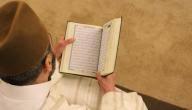
Many people overlook blessed times when supplication is encouraged, especially the last third of the night and the time before Fajr prayer. These moments are considered among the best times for remembrance, seeking forgiveness, and asking Allah for provision.

Egypt’s Dar Al-Ifta explained that sustenance is entirely in Allah’s hands, who expands provision for whom He wills and restricts it according to His perfect wisdom.

Provision Comes From Allah Alone

Faith and Taqwa Bring Blessings

Dar Al-Ifta explained that Allah has created the universe and provided every creature with its destined share of رزق.

A believer finds peace knowing that what Allah has written for them will reach them, while continuing to trust Him and follow the right path.

Seeking Provision Through Lawful Means

Combining Effort With Reliance on Allah

Islam encourages Muslims to work, strive, and seek lawful income while relying on Allah.

A person should avoid unlawful methods and remain patient, knowing that رزق comes at the time Allah chooses.

Are There Specific Verses for Increasing Sustenance?

Understanding Common Beliefs About Verses for Sustenance

Dar Al-Ifta clarified that claims about specific Quranic verses being recited a certain number of times to guarantee رزق are not based on authentic prophetic texts.

However, Quran recitation, remembrance, and sincere dua remain among the greatest acts of worship.

Dua for Provision Before Fajr

Among the supplications for seeking Allah’s bounty:

“O Allah, I ask You from Your bounty and mercy, for no one possesses them except You.”

Another dua:

“O Allah, grant me abundant, lawful, and good provision without hardship. Accept my supplication and protect me from poverty and debt. O Provider of those who ask, O Merciful to the needy, O Possessor of mighty strength, You alone we worship and You alone we seek help from.”

Supplication for Ease and Blessing in Sustenance

“O Allah, if my provision is in the heavens, send it down; if it is on earth, bring it forth; if it is far, bring it near; if it is near, make it easy; and if it is abundant, bless it for me.”

Gratitude and Its Role in Increasing Blessings

Islam encourages gratitude because thanking Allah is a reason for increased blessings.

Allah says:

“If you are grateful, I will certainly give you more.”

Is Wealth Always a Sign of Allah’s Satisfaction?

Dar Al-Ifta emphasized that abundance or hardship in sustenance does not necessarily indicate Allah’s pleasure or anger. Both can be forms of testing and wisdom, while true success lies in faith and righteous deeds.

What is the best time to make dua for provision?

The last third of the night and the time before Fajr are among the blessed times for supplication.

Are there specific Quran verses proven to bring sustenance?

There is no authentic evidence that specific verses recited a certain number of times guarantee رزق.

Should Muslims only make dua for provision?

Dua should be combined with lawful effort and taking proper means.

Does having wealth mean Allah is pleased with someone?

Not always. Wealth and hardship can both be tests from Allah.

Jul 27
أذكار المساء

Learn about the authentic evening adhkar from the Sunnah, their virtues, recommended repetitions, and how they bring protection, peace, and blessings.

Jul 27
الرقية الشرعية

Ruqyah Shar’iyyah is one of the Islamic methods of seeking healing and protection through Quranic verses and prophetic supplications. Learn its correct method, verses, and duas.
Jul 27
الصيام

Learn the dates of the White Days of Safar, the virtues of fasting them, why they are called the White Days, and the Islamic teachings regarding this recommended Sunnah.

Jul 27
سيدنا داود علية السلام

Discover the complete story of Prophet David (Dawood) in Islam, including how he became both a king and a prophet, his miracles, his devotion to worship, and his remarkable life according to the Quran and authentic Sunnah.