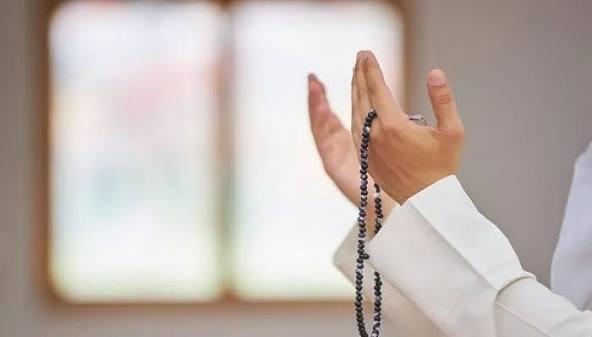

Life can bring moments when a person feels overwhelmed by worry, sadness, or emotional distress. During such difficult times, Muslims turn to Allah in supplication, seeking relief, comfort, strength, and peace.
Dua is one of the greatest ways to turn to Allah during hardship. A believer can ask Allah for help, relief, mercy, and guidance while placing their trust in Him.
Among the well-known supplications associated with distress is:
“There is no deity except You; glory be to You. Indeed, I was among the wrongdoers.”
Dua for Severe Distress and Relief from Worry
There is no requirement to use only one wording when making dua during times of distress. A Muslim can ask Allah for what they need in sincere and meaningful words.
Among the supplications associated with hardship is:
“There is no deity except Allah, the Forbearing, the Magnificent. There is no deity except Allah, Lord of the Mighty Throne. There is no deity except Allah, Lord of the heavens, Lord of the earth, and Lord of the Noble Throne.”
Another supplication is:
“O Ever-Living, O Sustainer, by Your mercy I seek help. Set right all my affairs and do not leave me to myself even for the blink of an eye.”
These supplications express belief in Allah’s oneness, dependence upon Him, and the need for His help during difficult circumstances.
Dua for Relief from Worry and Sadness
A comprehensive supplication for worry and sadness includes:
“O Allah, I am Your servant, son of Your servant, son of Your maidservant. My forelock is in Your hand. Your command over me is ever executed and Your decree concerning me is just. I ask You by every name belonging to You, by which You named Yourself, revealed in Your Book, taught to any of Your creation, or kept with You in the knowledge of the unseen, to make the Quran the spring of my heart, the light of my chest, the removal of my sadness, and the departure of my worries.”
This supplication expresses complete reliance upon Allah and asks Him to make the Quran a source of comfort, light, and relief from sadness and worry.
The Dua of Prophet Yunus During Distress
One of the most well-known supplications connected with hardship is the prayer of Prophet Yunus:
“There is no deity except You; glory be to You. Indeed, I was among the wrongdoers.”
The supplication combines belief in Allah’s oneness, glorification of Him, and acknowledgment of human weakness. A Muslim may repeat it while sincerely turning to Allah during difficult moments.
Short Dua for Distress
A Muslim can make a short personal supplication when experiencing distress, such as:
“O Allah, relieve my worries, ease my distress, expand my chest, make my affairs easy, remove sadness and hardship from me, grant peace to my heart, and bless me with relief from You.”
A person may also say:
“O Allah, do not leave me to myself even for the blink of an eye. Set right all my affairs, forgive me, have mercy upon me, and relieve me from whatever troubles me.”
A supplication does not have to be long. What matters is sincerity and turning to Allah with a present and humble heart.
Dua for Sadness and Hardship
When sadness becomes heavy, a Muslim can increase remembrance, seek forgiveness, and ask Allah to replace hardship with ease and sadness with peace.
One may say:
“O Allah, grant me relief that removes my worries, mercy that fills my heart, tranquility that gives my soul peace, and ease in every matter that is difficult for me. O Allah, bring ease after hardship, happiness after sadness, and relief after distress.”
How Should I Pray to Allah During Hardship?
During difficult circumstances, a Muslim can turn to Allah with humility and sincerity. The person may begin by praising Allah, send blessings upon the Prophet Muhammad, and then ask Allah for whatever they need.
Supplication should be accompanied by trust in Allah and patience. A delayed response should not become a reason for despair or loss of hope in Allah’s mercy.
A Muslim can also increase remembrance, seek forgiveness, pray, and read the Quran while taking appropriate practical steps to address the circumstances causing the distress.
Best Times to Make Dua for Relief
A Muslim may make dua at any time, while taking advantage of times in which supplication is especially encouraged.
Supplication During Prostration
A Muslim can make sincere dua during prostration, asking Allah to remove distress, ease hardship, and bring peace to the heart.
Supplication During the Last Third of the Night
The last third of the night is an opportunity for prayer, seeking forgiveness, and sincere supplication. A believer can ask Allah for mercy, relief, and ease.
Supplication Between the Adhan and Iqamah
The period between the call to prayer and the beginning of the prayer can also be used for supplication, including asking Allah to remove worry and make difficult affairs easier.
The Role of Dua and Remembrance During Hardship
When circumstances become difficult, turning to Allah through dua and remembrance can give the believer a sense of hope, reliance, and spiritual comfort.
Dua does not mean abandoning practical efforts. Rather, a Muslim can combine sincere supplication with taking appropriate steps to address the causes of a problem while relying upon Allah.
What is a powerful dua for severe distress?
One of the well-known supplications for distress is: “There is no deity except You; glory be to You. Indeed, I was among the wrongdoers.”
What is the dua for relief from worry and sadness?
You can say: “O Allah, relieve my worries, ease my distress, expand my chest, and make my affairs easy.”
What should I say when I feel extremely distressed?
You can increase remembrance and seek forgiveness, and say: “O Ever-Living, O Sustainer, by Your mercy I seek help. Set right all my affairs and do not leave me to myself even for the blink of an eye.”
Is there a short dua for relief from distress?
Yes. Among the well-known supplications is: “There is no deity except You; glory be to You. Indeed, I was among the wrongdoers.”
When should I make dua for relief from worry?
Dua can be made at any time, while taking advantage of special times such as prostration, the last third of the night, and the period between the adhan and iqamah.