Dua of the Oppressed: Supplications for Justice and Relief
The dua of the oppressed holds a special place in Islamic teachings. Here are supplications from the Quran and Sunnah for seeking justice, protection, and relief from wrongdoing.
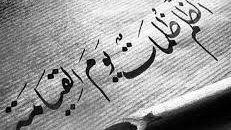

The dua of the oppressed is regarded as a powerful form of supplication in Islamic teachings. The Quran and Sunnah emphasize the seriousness of ظلم and warn against violating the rights of others.
The Prophet Muhammad, peace and blessings be upon him, said:
“Beware of the supplication of the oppressed, for there is no barrier between it and Allah.”
This is why a person who has suffered injustice may turn to Allah and ask Him to remove the harm, restore their rights, and grant them justice.
Is the Dua of the Oppressed Answered?
Several prophetic traditions emphasize the special status of the oppressed person's supplication.
The Prophet Muhammad, peace and blessings be upon him, said:
“Three supplications are not rejected: the supplication of the just ruler, the supplication of the fasting person when he breaks his fast, and the supplication of the oppressed.”
Another reported narration states:
“The supplication of the oppressed is answered, even if he is sinful; his sin is against himself.”
These teachings highlight the seriousness of injustice and the fact that Allah does not wrong anyone.
Is It Permissible to Pray Against Someone Who Wronged Me?
A person who has been wronged may pray against the one who wronged them, provided that the supplication does not exceed the limits of the injustice suffered.
Allah says:
“Allah does not like the public mention of evil except by one who has been wronged.”
The principle is that a person may seek justice and relief without becoming unjust themselves.
It is also preferable to entrust the matter to Allah and ask Him to restore one’s rights and remove the harm.
Supplications of the Oppressed in the Quran
The Quran contains several supplications that can be recited during hardship, distress, and when seeking Allah’s help.
A Dua for Seeking Victory
Allah says:
“My Lord, help me against the people who spread corruption.”
This supplication expresses a request for Allah’s support against wrongdoing and corruption.
A Dua for the Overcome and Distressed
Allah says:
“So he called upon his Lord, saying, ‘Indeed, I am overcome, so help me.’”
It reflects complete reliance upon Allah when a person is unable to overcome hardship on their own.
The Dua of Yunus
Allah says:
“There is no deity except You; glory be to You. Indeed, I have been among the wrongdoers.”
This is one of the well-known supplications for distress and hardship. It combines belief in Allah’s oneness, glorification of Him, and acknowledgment of human weakness.
A Dua for Mercy and Guidance
Allah says:
“Our Lord, grant us mercy from Yourself and prepare for us guidance in our affair.”
This supplication expresses the believer’s request for mercy, guidance, and a good outcome during difficult circumstances.
Dua Against an Oppressor
There is no requirement for an oppressed person to use one specific formula when asking Allah for justice.
A person may ask Allah to remove the injustice, restore their rights, protect them from harm, and grant them victory.
One possible supplication is:
“O Allah, remove the injustice from me, restore my rights, grant me victory over the one who wronged me, protect me from his harm, and set my affairs right. You are the Best of those who grant victory.”
A person may also say:
“My Lord, indeed I am overcome, so help me.”
Can I Pray Against a Relative Who Wronged Me?
A person who has been wronged may seek justice from Allah even when the person responsible is a relative.
However, the supplication should remain within the limits of justice and should not become excessive or involve wrongdoing.
Maintaining family ties does not make injustice permissible, just as experiencing injustice does not give a person permission to exceed the limits of fairness.
Is There a Dua for the Oppressed to Repeat Seven Times?
There is no authentic evidence establishing a specific dua that must be repeated seven times by an oppressed person with a guaranteed response because of that number.
Therefore, a specific formula or number should not be attributed to the Prophet Muhammad, peace and blessings be upon him, without authentic evidence.
A person may repeat authentic supplications as much as they wish and ask Allah to remove injustice, restore their rights, and grant them relief.
Dua of the Oppressed from the Sunnah
A person experiencing injustice can turn to Allah with supplications that express reliance, trust, and a request for protection and relief.
Among the well-known phrases a believer can say is:
“Allah is sufficient for me, and He is the best disposer of affairs.”
The believer may also ask Allah directly for justice, protection, relief, and the restoration of their rights.
The Virtue of Entrusting the Matter to Allah
Entrusting the matter to Allah can bring comfort to someone who has experienced injustice.
Allah knows every detail of what happened, and nothing is hidden from Him. No injustice is lost with Allah.
The Quran states:
“And your Lord does not wrong anyone.”
Turning to Allah through supplication allows the believer to seek relief while trusting in His justice and wisdom.
Is the dua of the oppressed answered?
Prophetic traditions emphasize the special status of the oppressed person’s supplication, including the statement: “Beware of the supplication of the oppressed, for there is no barrier between it and Allah.”
Is it permissible to pray against an oppressor?
Yes. A person who has been wronged may pray against the oppressor within the limits of the injustice and without exceeding those limits.
Is there a dua for the oppressed to repeat seven times?
There is no authentic evidence that establishes a specific dua for the oppressed that must be repeated seven times with a guaranteed response.
What is a good phrase for an oppressed person to say?
A believer may say, “Allah is sufficient for me, and He is the best disposer of affairs,” while asking Allah to remove the injustice and restore their rights.
Can I pray against a relative who wronged me?
Yes, an oppressed person may seek justice from Allah even when the oppressor is a relative, provided the supplication does not exceed the limits of the injustice.

What did the Prophet Muhammad ﷺ say about the day of his birth? Learn about Monday fasting, the ruling on Mawlid, and recommended prayers and supplications.
Many Muslims ask which dua is answered quickly. The Dua of Yunus is among the well-known supplications for relief from distress, alongside sincere prayer and seeking the best times for supplication

Egypt’s Dar al-Ifta will observe the crescent of Rabi al-Awwal 1448 AH on Wednesday, August 12, while astronomical calculations indicate that the month will begin on Friday, August 14, 2026

A collection of prayers for protecting children from harm, along with authentic supplications from the Sunnah that parents can recite for their children's safety and righteousness
