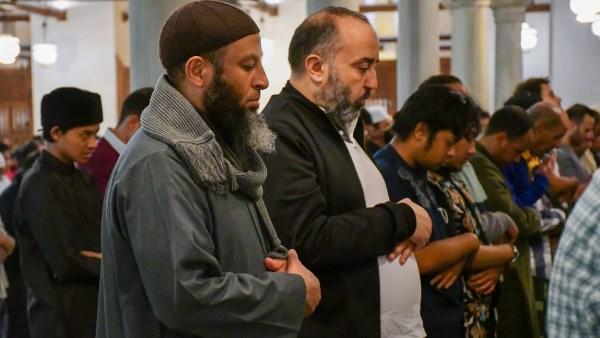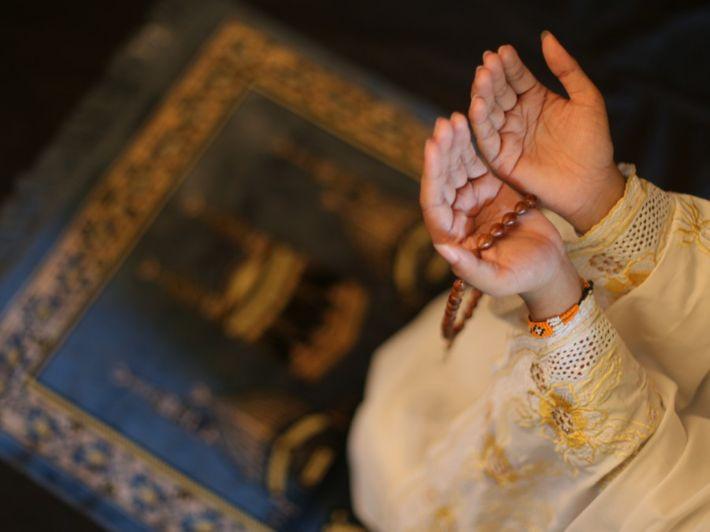

The Prophet Muhammad ﷺ taught several forms of remembrance and supplication to be recited after completing the obligatory prayer and saying the final salam.
These adhkar include seeking Allah’s forgiveness, praising Him, affirming His oneness, glorifying Him, and reciting selected Quranic verses and surahs.
Maintaining these remembrances after prayer is a recommended practice that helps Muslims remain connected to the remembrance of Allah.
Seeking Forgiveness Three Times After Prayer
Among the established remembrances after prayer is saying:
“Astaghfirullah” three times.
The worshipper then says:
“Allahumma anta as-salam wa minka as-salam, tabarakta ya dhal-jalali wal-ikram.”
This remembrance begins with seeking Allah’s forgiveness and continues with praise and glorification of Him.
Tasbih, Tahmid and Takbir After Prayer
A well-known form of remembrance after the obligatory prayers is:
- Subhan Allah 33 times.
- Alhamdulillah 33 times.
- Allahu Akbar 33 times.
The hundred is then completed by saying:
“La ilaha illallahu wahdahu la sharika lah, lahul-mulku wa lahul-hamd, wa huwa ‘ala kulli shay’in qadir.”
Other established forms of remembrance may also be recited after prayer.
Remembering Allah’s Oneness After Prayer
One of the important forms of remembrance after prayer is affirming the oneness of Allah and praising Him.
A well-known supplication says:
“La ilaha illallahu wahdahu la sharika lah, lahul-mulku wa lahul-hamd, wa huwa ‘ala kulli shay’in qadir.”
Muslims are encouraged to remember Allah frequently while reflecting on the meaning of His oneness and submitting to Him.
Reciting Ayat al-Kursi After Prayer
Ayat al-Kursi is among the Quranic passages that Muslims recite after obligatory prayers. A hadith mentions the virtue of reciting it after the prescribed prayers.
Therefore, a Muslim may include Ayat al-Kursi in the regular adhkar recited after every obligatory prayer.
Reciting the Three Short Surahs
Muslims may also recite Surah Al-Ikhlas, Surah Al-Falaq and Surah An-Nas as part of their regular remembrance.
The number of times they are recited can differ according to the prayer and the specific Sunnah reported regarding each occasion.
Is There One Mandatory Dua After Prayer?
There is no single supplication that every Muslim must recite after prayer. Rather, several authentic forms of remembrance and supplication have been reported from the Prophet ﷺ.
Muslims should prioritize the established adhkar and may also ask Allah for whatever is good in this life and the Hereafter, provided the supplication is lawful and does not contain wrongdoing.
What Is Recommended to Say After Prayer?
Among the most important remembrances to maintain after prayer are:
- Saying Astaghfirullah three times.
- Saying “Allahumma anta as-salam wa minka as-salam, tabarakta ya dhal-jalali wal-ikram.”
- Reciting tasbih, tahmid and takbir.
- Affirming Allah’s oneness with “La ilaha illallahu wahdahu la sharika lah...”
- Reciting Ayat al-Kursi.
- Reciting Al-Ikhlas, Al-Falaq and An-Nas.
These practices are among the recommended acts of remembrance that help Muslims continue remembering Allah after completing their prayer.
What should I say immediately after prayer?
You can begin by saying Astaghfirullah three times, followed by “Allahumma anta as-salam wa minka as-salam...”, then continue with the other established adhkar.
How many times should I seek forgiveness after prayer?
It is reported that the Prophet ﷺ sought Allah’s forgiveness three times after prayer.
Should I recite Ayat al-Kursi after every obligatory prayer?
Yes. A hadith mentions the virtue of reciting Ayat al-Kursi after the prescribed prayers.
Can I say Subhan Allah, Alhamdulillah and Allahu Akbar after prayer?
Yes. Tasbih, tahmid and takbir are among the established forms of remembrance after prayer. One well-known form is to say each 33 times and complete the hundred with a statement of Allah’s oneness.
Can I make my own dua after prayer?
Yes. A Muslim may ask Allah for whatever lawful good they wish while also maintaining the established remembrances reported from the Prophet ﷺ.