Are Earthquakes a Punishment from God? Egypt's Dar Al-Ifta Explains
Egypt's Dar Al-Ifta clarifies the Islamic ruling on whether earthquakes are divine punishment and explains whether there is a specific supplication to recite during earthquakes.

Earthquakes often raise questions about whether they are signs of divine punishment or simply part of Allah's universal decree. Egypt's Dar Al-Ifta has clarified the Islamic perspective on this issue.
Are Earthquakes a Divine Punishment?
Dar Al-Ifta states that it is not permissible to definitively claim that an earthquake is God's punishment upon a particular people or region. Such natural disasters may affect both the righteous and the sinful as part of Allah's wisdom and universal laws.
How Does Islam View Earthquakes?
According to Dar Al-Ifta, earthquakes and other natural phenomena are among Allah's great signs that remind humanity of His power and authority. They may represent: A test or trial. A reminder to return to Allah. A warning for self-reflection. In some cases, a punishment known only to Allah, without humans having the right to make definitive judgments.
Is There a Specific Dua for Earthquakes?
Dar Al-Ifta confirms that there is no authentic prophetic supplication specifically prescribed for earthquakes. Instead, Muslims are encouraged to recite general supplications seeking mercy, protection, forgiveness, and relief.
Recommended Acts During Earthquakes
Muslims are encouraged to: Increase in supplication. Seek Allah's forgiveness. Perform prayers with sincerity. Give charity and help those in need. Turn to Allah with humility and hope.

Looking for the fastest dua for rizq? Discover authentic Islamic supplications for sustenance, along with the Quranic and Prophetic keys to increasing provision and blessings.
Discover the story of Abu Bakr Al-Siddiq's acceptance of Islam, his unwavering faith in Prophet Muhammad ﷺ, and his vital role in spreading Islam.
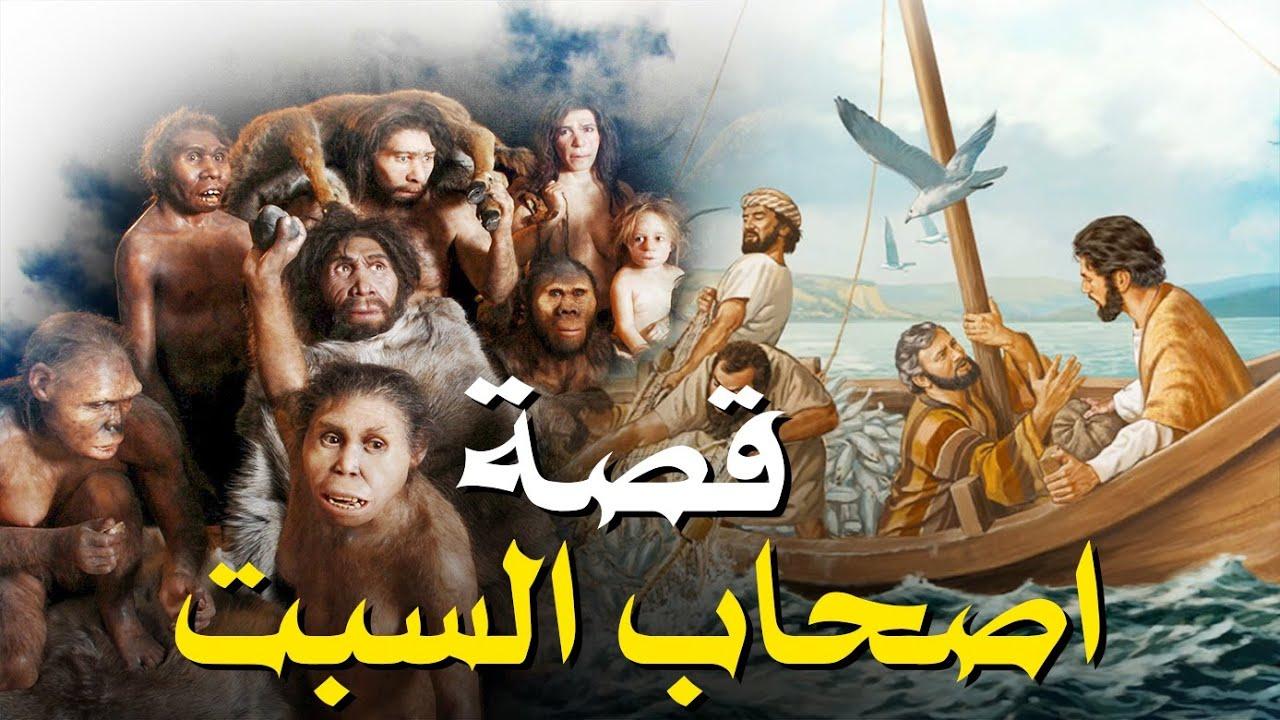
Learn the full story of the People of the Sabbath, why Allah punished them, and the important lessons Muslims can learn from this Quranic account.

Ishmael (Ismail) continued his prophetic mission after the great sacrifice, helped Prophet Abraham rebuild the Kaaba, and devoted his life to calling people to worship Allah alone.
