
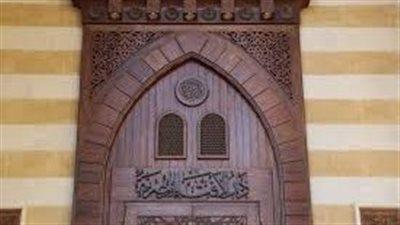

Egypt’s Dar Al-Ifta has issued a clear religious ruling stating that using water services without paying the required fees is considered an unjust appropriation of the costs associated with transporting and treating water, which is prohibited under Islamic law.
The institution emphasized that preserving wealth is one of the fundamental objectives of Sharia, and any violation—whether through theft, misuse, or unlawful benefit—is strictly forbidden. The ruling becomes even more serious when the violation involves public funds, as they are a collective right shared by all citizens.
Dar Al-Ifta cited Quranic and Prophetic teachings that explicitly prohibit consuming others’ wealth unjustly, reinforcing the sanctity of public resources and the moral responsibility to protect them.
In a related development, a memorandum of understanding was signed between Egypt’s Grand Mufti and the Minister of Education to promote religious awareness, strengthen moderate thought, and counter intellectual and cultural extremism.
The agreement aims to integrate concepts of moderation and responsible religious guidance into educational curricula, train teachers on constructive dialogue, and equip students with the tools to confront misinformation, hate speech, and ideological threats—thereby safeguarding intellectual security and national identity.




