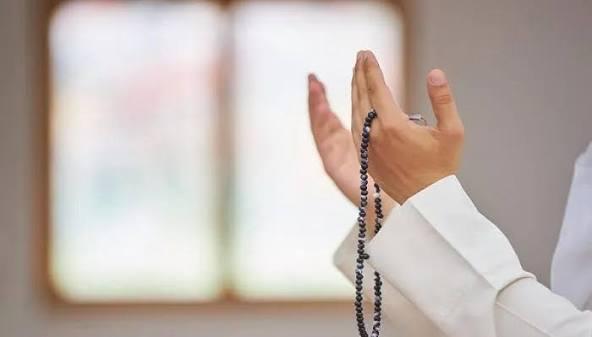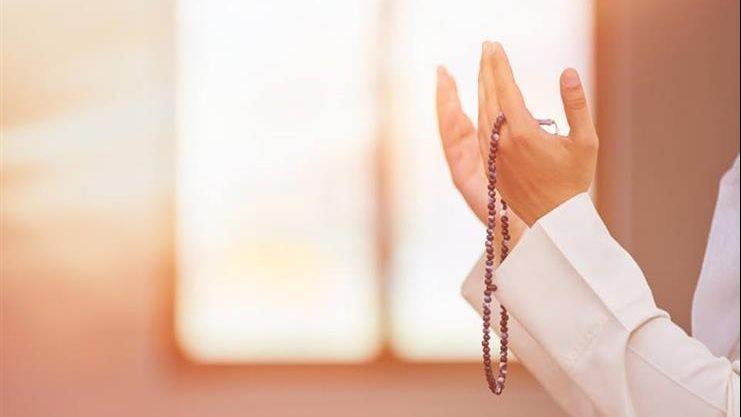

Egypt’s Dar Al-Iftaa explained that reciting evening remembrance (adhkar al-masaa) is among the most rewarding acts of worship, and that the preferred time for it begins after Asr prayer and lasts until sunset.
The Fatwa authority emphasized that performing these supplications within their specific time frame brings the greatest reward, but if the time passes due to forgetfulness or necessity, it remains recommended to make them up whenever one remembers, as Allah’s mercy encompasses all.
Dar Al-Iftaa cited the opinion of scholars who affirm that the reward of making up missed remembrance may equal that of performing it on time, especially if it was missed for a valid reason.
It clarified that the time for evening supplications extends from the decline of the sun until midnight, while the most virtuous period lies between Asr and Maghrib, when the heart is calm and spiritually receptive.
The statement also highlighted the Qur’anic encouragement for remembrance:
“Those who remember Allah while standing, sitting, and lying on their sides…” [Aal-Imran: 191].
Among the key evening supplications mentioned:
“O Allah, I ask You for forgiveness and well-being in this world and the Hereafter.”
“I am pleased with Allah as my Lord, with Islam as my religion, and with Muhammad (peace be upon him) as my Prophet.”
“There is no deity but Allah alone, without partner; His is the dominion and praise, and He is over all things capable.”
Dar Al-Iftaa further noted that evening remembrance protects the believer, strengthens faith, removes anxiety, and brings peace of heart, serving as a shield against envy and evil.
The statement concluded by urging Muslims to maintain daily morning and evening remembrance, as they are “the soul of faith and the secret of spiritual serenity.”