Egypt’s Fatwa Authority Explains How to Make Up Missed Prayers
An official at Dar Al-Ifta explains the correct way to make up missed prayers, stressing repentance and gradual compensation alongside regular prayers.

In an important clarification, Sheikh Mohamed Kamal, the Fatwa Secretary at Egypt’s Dar Al-Ifta, explained the proper method for making up missed prayers, emphasizing that prayer remains the most important act of worship in Islam.
Prayer as Peace and Comfort
He noted that prayer is not only an obligation but also a source of peace and tranquility, citing the Prophet’s saying: “Give us comfort through it, O Bilal,” highlighting its spiritual significance.
Repentance Before Making Up Prayers
He stressed that anyone who has missed prayers must first sincerely repent, then begin making up the missed prayers gradually without delay, attempting to estimate the number of missed prayers as accurately as possible.
Method of Compensation
He explained that missed prayers can be performed alongside current ones, such as praying a missed Dhuhr prayer with the present Dhuhr prayer, continuing in this manner until completion.
Utilizing Time in Mosques
He added that if there is time before congregational prayer, it is preferable to use it to make up missed prayers rather than voluntary ones, as obligatory prayers take priority. However, if the congregational prayer begins, one should join the imam and complete missed prayers afterward.
For more details and latest news, follow Masr Connect

As the sun sets, evening supplications open a door to tranquility, filling the heart with remembrance, protection, and deep spiritual peace.

The Ministry of Endowments will open 23 mosques tomorrow Friday across several Egyptian governorates as part of ongoing development and renovation projects.
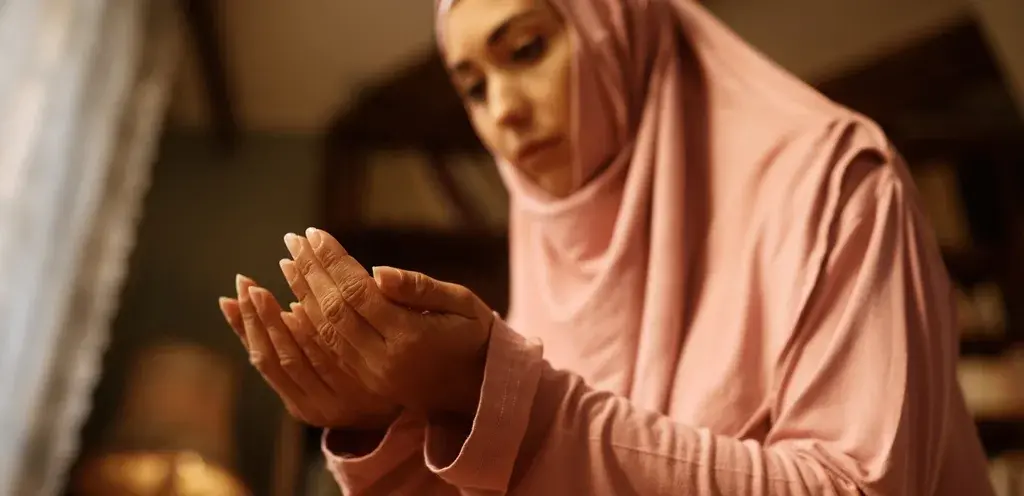
Many mothers seek comforting prayers to protect their unborn child and ensure a safe pregnancy, finding peace and reassurance through faith and daily remembrance.
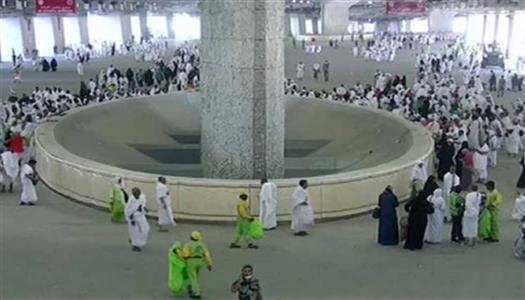
Many pilgrims wonder if they can appoint someone else to perform the stoning ritual. The official ruling explains when delegation is allowed and how it should be done.
