
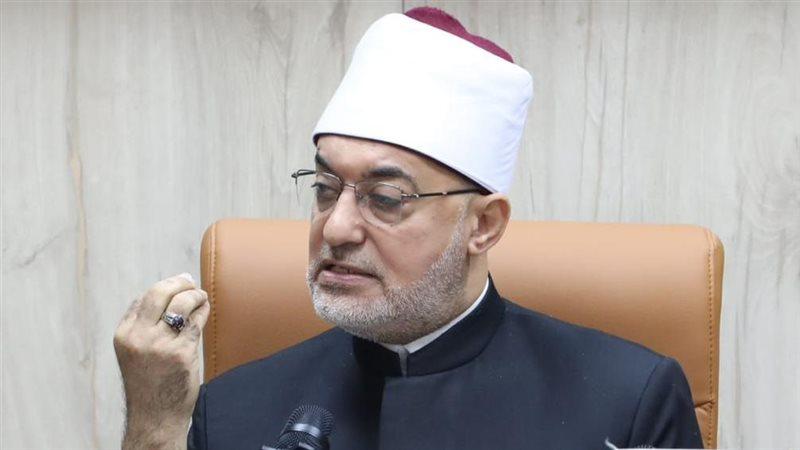

Dr. Nazir Ayad, Egypt’s Grand Mufti, responded to a question submitted to Dar Al-Iftaa regarding a man who owns a large sum of money and wishes to lend it to those in need on the condition that borrowers return the amount with an added increase based on the repayment period. The Mufti stated that such a condition is strictly prohibited in Islamic law, emphasizing that requiring any increase on the loan amount constitutes usury (riba), whether the increase is small or large. A lender, he noted, is entitled only to the exact amount originally loaned.
He added that Islam encourages relieving distress, meeting people’s needs, and supporting those facing hardship, considering these acts among the greatest forms of worship. He cited the Prophet Muhammad’s saying: “Whoever relieves a believer of a worldly distress, Allah will relieve him of a distress on the Day of Judgment…,” underscoring the importance of offering help free of burdens or conditions.
The Mufti also referenced another narration in which Abu Qatada forgave his debtor once he learned of his hardship, based on the Prophet’s guidance: “Whoever wishes Allah to save him from the distress of the Day of Judgment, let him ease the burden on a debtor or forgive them.” These teachings, he stressed, reflect the principles of compassion and solidarity at the heart of Islamic ethics.




