
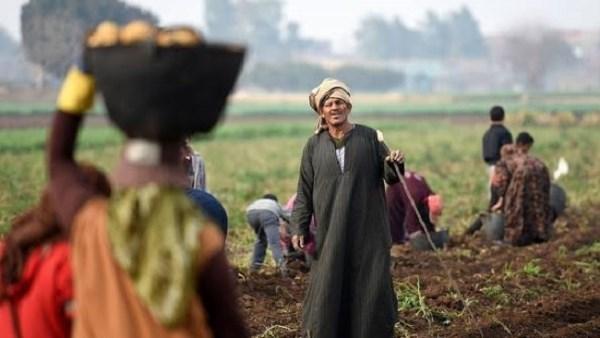

Egypt celebrates Egyptian Farmer Day on September 9 every year, commemorating the issuance of the Agricultural Reform Law on September 9, 1952.
The occasion honors the Egyptian farmer and highlights the vital role of agriculture in production, food security, economic development, and the broader process of building society.
Agriculture is not limited to producing food. It supports an interconnected system involving irrigation, water management, food processing, storage, transportation, trade, and exports, making farmers a central part of a much larger economic and civilizational structure.
Why Is Egyptian Farmer Day Celebrated?
Egyptian Farmer Day is associated with the anniversary of the Agricultural Reform Law issued on September 9, 1952, an important milestone in the history of Egyptian agriculture.
The occasion recognizes farmers for their contribution to agricultural production and emphasizes the importance of agriculture in supporting the economy and strengthening food security.
The Farmer’s Role in Building Society
Human settlement has long been closely connected to land, water, and agriculture.
As societies developed, agriculture became the foundation for numerous professions, industries, and services. What began with cultivating the land eventually expanded into a broad economic system.
The Value of Work and Developing the Land in Islam
Islam emphasizes productive work and connects human responsibility with developing and benefiting from the earth.
Allah says:
“He brought you forth from the earth and settled you in it.”
[Quran 11:61]
The verse highlights the human responsibility to cultivate and develop the earth in ways that bring benefit.
Agriculture in the Prophetic Tradition
The Prophetic tradition also emphasizes productive work and positive action. The Prophet Muhammad ﷺ said:
“If the Hour is about to begin while one of you has a sapling in his hand, let him plant it if he can.”
This teaching reflects a strong spirit of positivity, initiative, productivity, and commitment to beneficial work even under difficult circumstances.
Agriculture as a Foundation of Civilization
Agriculture is closely connected to numerous economic activities.
Beyond growing crops, the agricultural sector depends on water management, irrigation systems, machinery, storage, transportation, food processing, trade, and exports.
Agriculture and the Wider Economy
As agriculture develops, the industries and services surrounding it also expand.
Supporting agriculture therefore has an impact that extends beyond farms themselves. Farmers are an essential part of a system that begins with the land and reaches markets, industries, supply chains, and consumers.
Agriculture in the Age of Artificial Intelligence
Modern professions are entering a new era shaped by technological development, and agriculture is among the sectors that can benefit from these advances.
Recent discussions concerning professions and crafts in Islam have emphasized the continuing importance of work while highlighting creativity, innovation, and excellence in an era of technological transformation.
Innovation and Agricultural Production
Modern technology can help improve farming methods, manage water resources more efficiently, monitor crops, and increase productivity.
Technological development does not diminish the role of farmers. Instead, it provides new tools that can help them improve their skills, productivity, and the quality of agricultural output.
Egypt’s Efforts to Support Agriculture
Egypt has continued to implement projects aimed at expanding agricultural land, improving water efficiency, and strengthening domestic production.
Around 3.5 million feddans have been added to the agricultural area through land reclamation projects, alongside efforts to modernize irrigation systems and improve water-use efficiency.
These initiatives aim to increase agricultural production, meet citizens’ needs, and strengthen food security.
Egyptian Agricultural Exports
Agricultural exports reflect the development of the sector and its ability to compete in international markets.
In 2025, Egyptian agricultural exports reached approximately 9.5 million tons, with a value of around $11.5 billion. Egypt also maintained its global leadership in orange exports for the sixth consecutive year, according to the information provided.
These figures highlight the importance of a production chain that begins with farmers and continues through processing, packaging, transportation, and international trade.
Farmers as Part of an Integrated System
The success of agricultural exports cannot be separated from the efforts of everyone involved in the agricultural supply chain.
Product quality begins in the field and passes through several stages before reaching consumers in Egypt or international markets.
Promoting the Value of Work
Egypt’s Ministry of Awqaf emphasizes the value of work and respect for different professions and crafts, including farming, through sermons, religious lessons, seminars, outreach activities, and digital content.
These efforts promote a culture of excellence, creativity, and innovation while connecting productive work with developing the land and serving society.
Excellence Across All Professions
Excellence is not limited to one profession.
Farmers, workers, manufacturers, engineers, traders, and other professionals all contribute to building society when they perform their responsibilities with integrity, dedication, and excellence.
Egyptian Farmer Day: Celebrating Work and Production
Egyptian Farmer Day is an opportunity to celebrate the land and the people who cultivate it, while also highlighting the importance of productive work in building nations.
Agriculture is not an endpoint. It is the beginning of a broad network of professions, industries, and services that contribute to social stability and economic strength.
The Egyptian farmer remains at the heart of this system, providing essential work connected to food production and the development of the land. Islamic teachings likewise emphasize productive work, excellence, creativity, and beneficial contribution as values that strengthen individuals and societies.
When is Egyptian Farmer Day celebrated?
Egyptian Farmer Day is celebrated on September 9 every year, marking the anniversary of the Agricultural Reform Law of 1952.
Why is the Egyptian farmer important?
Farmers contribute directly to agricultural production and food security while supporting a wider system involving processing, storage, transportation, trade, and exports.
What is the status of agriculture in Islam?
Islam emphasizes productive work and developing the earth, while religious teachings encourage beneficial work and excellence in carrying out responsibilities.
How does agriculture contribute to civilization?
Agriculture supports irrigation, water management, food processing, storage, transportation, and trade, making it a foundation for an integrated economic system.
What work values does Islam emphasize?
Key values include excellence, creativity, innovation, integrity, beneficial contribution, and responsibility toward developing the earth.




