
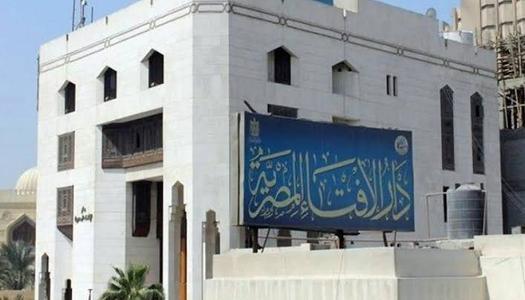

Dr. Ali Fakhr, Mufti at Egypt’s Fatwa Authority, explained that Allah knows the intentions and inner motivations of people and rewards them for acts of goodness even if they are unaware of the spiritual reward.
He highlighted that people may perform good deeds naturally or out of a love for kindness—such as helping, advising, or supporting others—without conscious intention or thinking of reward, and yet they are recompensed by Allah.
The Mufti emphasized that Allah rewards all acts of goodness and even grants reward for patience during trials, praying that He accepts the righteous deeds of all and grants them great recompense.
The virtue of giving charity to relatives
The Fatwa Authority clarified that giving charity to relatives is permissible and carries double reward: the charity itself and maintaining family ties, citing the Prophet’s saying: “Charity to a poor person is charity, and charity to a relative is double: charity and maintaining kinship” (Ahmad).
It also clarified that zakat differs from charity, as it is obligatory under specific conditions and has eight designated recipients: the poor, needy, collectors of zakat, those whose hearts are to be reconciled, slaves, debtors, in the cause of Allah, and travelers, as mentioned in the Quran: {…The alms are for the poor and the needy, and those employed to collect them, and those whose hearts are to be reconciled, and for freeing captives, and for those in debt, and in the cause of Allah, and the wayfarer…} [At-Tawbah: 60].




