
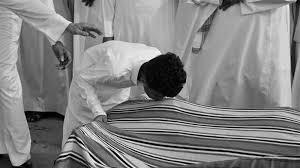

The Egyptian Fatwa House issued an official clarification regarding the Islamic ruling on uncovering the face of a deceased person to bid farewell and kiss them after shrouding. The response came following a question on whether this practice is permissible, and the Fatwa House affirmed that it is allowed both before and after shrouding, provided no visible harm, distress, or inappropriate reactions occur.
The statement referenced several authentic narrations from the Sunnah, including the report of Aisha (may Allah be pleased with her), who stated that the Prophet Muhammad (peace be upon him) kissed the deceased body of Uthman ibn Maz‘oon. Another narration describes how Jabir ibn Abdullah uncovered the face of his father on the day of Uhud and wept without being prohibited by the Prophet.
The Fatwa House further cited the famous incident of Abu Bakr Al-Siddiq entering upon the Prophet (peace be upon him) after his passing, uncovering his face, kissing him, and weeping—a narration authenticated by Imam Al-Bukhari.
Classical scholars have supported this view, considering it permissible to uncover the deceased’s face and kiss them as an expression of love, honor, and farewell, as long as the physical state of the deceased does not show signs that may distress others.
The statement emphasized that such acts are rooted in compassion and emotional closeness, and are permitted for those who were allowed to kiss the person in their lifetime, highlighting that Islamic law upholds the dignity of the deceased while offering solace to the living.




