Evening Adhkar: Key Supplications and Verses for Protection
Evening adhkar include Quranic verses, supplications and remembrance that Muslims recite in the evening, including Ayat Al-Kursi, the Mu'awwidhat, Sayyid Al-Istighfar and protective supplications.


Evening adhkar include a collection of Quranic verses, supplications and forms of remembrance that Muslims recite in the evening as an act of worship and to seek peace and protection.
Among the best-known evening remembrances are Ayat Al-Kursi, Surah Al-Ikhlas, Surah Al-Falaq, Surah Al-Nas, Sayyid Al-Istighfar, and the supplication “I am pleased with Allah as my Lord.”
What Are the Evening Adhkar?
Ayat Al-Kursi
One of the commonly recited evening remembrances is Ayat Al-Kursi once:
“Allah—there is no deity except Him, the Ever-Living, the Sustainer of all...” [Al-Baqarah: 255].
Surah Al-Ikhlas and the Mu'awwidhat
Surah Al-Ikhlas, Surah Al-Falaq and Surah Al-Nas are recited three times as part of the evening remembrance:
“Say: He is Allah, One.”
“Say: I seek refuge in the Lord of daybreak.”
“Say: I seek refuge in the Lord of mankind.”
Key Evening Supplications
We Have Entered the Evening and Sovereignty Belongs to Allah
One of the evening remembrances begins:
“We have entered the evening and sovereignty belongs to Allah. Praise belongs to Allah. There is no deity except Allah alone, without partner. To Him belongs sovereignty and praise, and He is capable of all things...”
The supplication continues with asking Allah for the good of the evening and seeking refuge from its harm.
O Allah, By You We Enter the Evening
It is said:
“O Allah, by You we enter the evening, by You we enter the morning, by You we live, by You we die, and to You is the final return.”
Sayyid Al-Istighfar
One of the prominent forms of evening remembrance is Sayyid Al-Istighfar:
“O Allah, You are my Lord. There is no deity except You. You created me and I am Your servant. I remain faithful to Your covenant and promise as much as I am able...”
The supplication concludes by asking Allah for forgiveness and acknowledging that no one forgives sins except Him.
I Am Pleased with Allah as My Lord
This supplication is recited three times:
“I am pleased with Allah as my Lord, with Islam as my religion, and with Muhammad, peace and blessings be upon him, as my Prophet.”
Remembrances for Protection
In the Name of Allah, with Whose Name Nothing Can Harm
It is recited three times:
“In the name of Allah, with whose name nothing on earth or in heaven can cause harm, and He is the All-Hearing, the All-Knowing.”
O Allah, Creator of the Heavens and Earth
Another evening supplication is:
“O Allah, Creator of the heavens and the earth, Knower of the unseen and the witnessed, Lord and Sovereign of everything. I bear witness that there is no deity except You. I seek refuge in You from the evil of myself and from the evil of Satan and his شرك.”
O Ever-Living, O Sustainer
Another supplication is:
“O Ever-Living, O Sustainer, in Your mercy I seek help. Set right all of my affairs and do not leave me to myself even for the blink of an eye.”
Other Evening Remembrances
Glory Be to Allah and Praise Be to Him
Among the remembrances a Muslim may repeat is:
“Glory be to Allah and praise be to Him,” repeated one hundred times.
Evening adhkar combine Quranic recitation, supplication, seeking forgiveness and glorifying Allah, helping the Muslim maintain remembrance of Allah and strengthen feelings of reliance and tranquility.
When do the evening adhkar begin?
They are recited during the evening, after the evening period begins.
What are the most important evening adhkar?
They include Ayat Al-Kursi, Surah Al-Ikhlas, Al-Falaq and Al-Nas, Sayyid Al-Istighfar, “I am pleased with Allah as my Lord,” and “In the name of Allah, with whose name nothing can cause harm.”
How many times are the Mu'awwidhat recited?
Surah Al-Ikhlas, Al-Falaq and Al-Nas are recited three times.
How many times is “In the name of Allah, with whose name nothing can cause harm” recited?
It is recited three times.
What is Sayyid Al-Istighfar?
It is a comprehensive supplication beginning with “O Allah, You are my Lord, there is no deity except You,” expressing acknowledgment of Allah’s blessings and seeking His forgiveness.

Learn the most important Islamic supplications and daily remembrance for protecting children, including prophetic prayers, Quranic verses, and authentic ruqyah

Prophet Hud, peace be upon him, was supported by divine signs, although the Quran does not specify a particular physical miracle attributed to him.
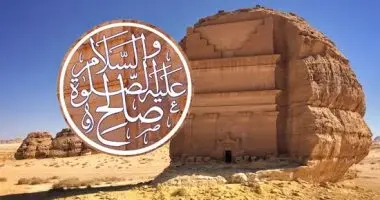
The miracle of Prophet Saleh was the she-camel of Allah, a clear sign for Thamud. Learn its story and the Quranic evidence behind the miracle.

The story of Prophet Ibrahim’s rescue from the fire is one of the greatest miracles in the stories of the prophets, showing Allah’s power and Ibrahim’s unwavering trust in Him
