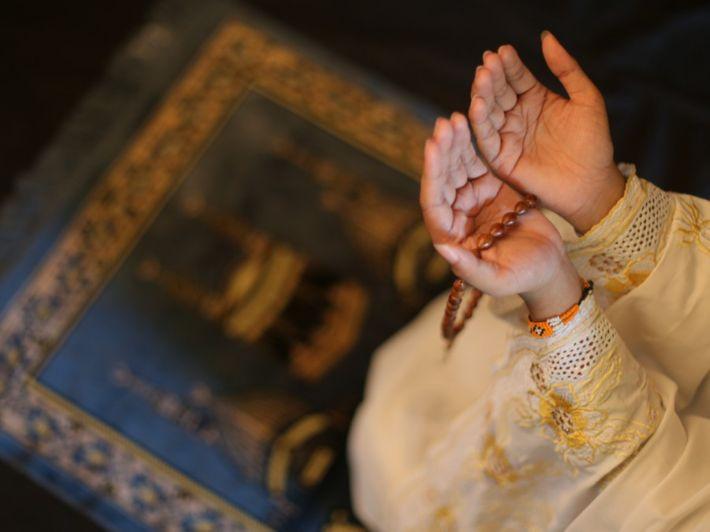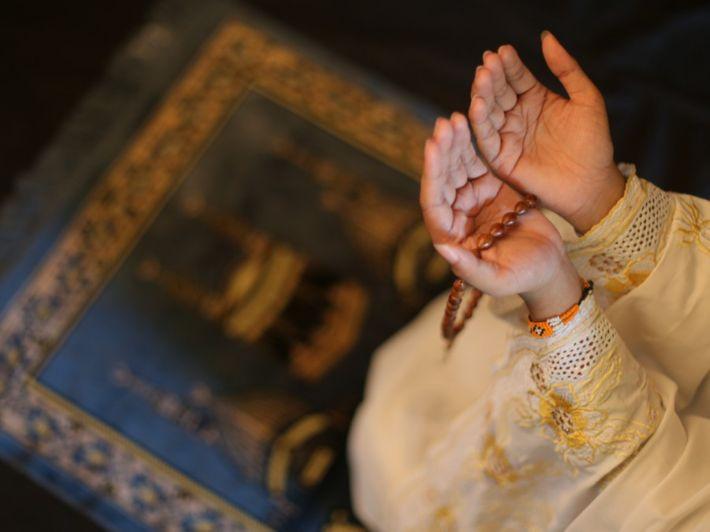

Many Muslims search for Fajr and morning duas to recite at the beginning of the day, especially after Fajr prayer. Morning is a valuable time for remembering Allah, seeking forgiveness, asking for protection, and beginning the day with a peaceful heart.
Allah says: “Indeed, the recitation of dawn is ever witnessed.”
After Fajr, Muslims can recite the established morning adhkar and make personal supplications for forgiveness, health, provision, guidance, and relief from difficulties.
Fajr and Morning Dua
Among the supplications reported for the morning is:
“O Allah, I seek refuge in You from worry and grief, from incapacity and laziness, from cowardice and miserliness, and from the burden of debt and being overcome by people.”
A Muslim may also ask Allah for whatever lawful good they need in this life and the Hereafter.
Morning Adhkar After Fajr Prayer
1. Morning Remembrance
“We have entered the morning and the dominion belongs to Allah. Praise belongs to Allah. There is no deity except Allah alone, without partner. To Him belongs the dominion and to Him is praise, and He is over all things capable.”
The supplication continues by asking Allah for the good of the day and seeking refuge from its evil.
2. Sayyid al-Istighfar
One of the greatest morning supplications is the Master Supplication for Forgiveness:
“O Allah, You are my Lord. There is no deity except You. You created me and I am Your servant. I abide by Your covenant and promise as much as I am able. I seek refuge in You from the evil of what I have done. I acknowledge Your blessing upon me and I acknowledge my sin, so forgive me, for none forgives sins except You.”
3. Affirming Faith in Allah
“O Allah, I have entered the morning calling You, the bearers of Your Throne, Your angels, and all Your creation to witness that You are Allah; there is no deity except You, and that Muhammad is Your servant and Messenger.”
4. Gratitude for Blessings
“O Allah, whatever blessing I or any of Your creation have entered the morning with is from You alone, without partner. To You belongs praise and to You belongs gratitude.”
5. Trusting in Allah
“Allah is sufficient for me. There is no deity except Him. Upon Him I rely, and He is the Lord of the Mighty Throne.”
6. Protection Through Allah's Name
“In the name of Allah, with whose name nothing on earth or in heaven can cause harm, and He is the All-Hearing, All-Knowing.”
This remembrance is recited three times in the morning.
7. Beginning the Day With Allah
“O Allah, by You we enter the morning, by You we enter the evening, by You we live, by You we die, and to You is the resurrection.”
8. Supplication Upon the Natural Faith
“We have entered the morning upon the natural disposition of Islam, the word of sincerity, the religion of our Prophet Muhammad, peace and blessings be upon him, and the faith of our father Abraham, upright and Muslim, and he was not among the polytheists.”
9. Glorifying Allah
“Glory be to Allah and praise be to Him, as numerous as His creation, as pleasing to Him as His pleasure, as heavy as His Throne, and as extensive as His words.”
This remembrance is recited three times.
10. Asking Allah for Well-Being
“O Allah, grant well-being to my body. O Allah, grant well-being to my hearing. O Allah, grant well-being to my sight. There is no deity except You. O Allah, I seek refuge in You from disbelief and poverty, and I seek refuge in You from the punishment of the grave. There is no deity except You.”
This supplication is recited three times.
Fajr Dua for Provision and Relief
A Muslim may ask Allah during the morning for lawful provision, relief from hardship, repayment of debt, good health, and ease in personal affairs.
Among the established supplications is:
“O Allah, I seek refuge in You from worry and grief, incapacity and laziness, cowardice and miserliness, the burden of debt and being overcome by people.”
The believer may also make personal supplications for abundant and blessed lawful provision, forgiveness, guidance, and relief.
Is There a Specific Dua for Fajr?
Not every supplication recited after Fajr is considered a specific Fajr dua. However, the period after Fajr is an excellent time for remembrance and supplication, and authentic morning adhkar are established for this part of the day.
Muslims can begin with the established adhkar and then ask Allah for their lawful needs.
The Virtue of Remembrance After Fajr
Remaining engaged in the remembrance of Allah after Fajr is among the virtuous acts of worship. The Sunnah mentions a great reward for the person who prays Fajr, remains remembering Allah until sunrise, and then performs two units of prayer.
This makes the period after Fajr an excellent opportunity for Quran recitation, istighfar, tasbih, praise of Allah, and personal supplication.
Duas to Recite Every Morning
A Muslim can also ask:
“My Lord, forgive me, have mercy upon me, guide me, grant me well-being, and provide for me.”
Another suitable personal supplication is:
“O Allah, grant me lawful, good, and abundant provision, and bless me in what You have provided for me.”
The believer can also increase in seeking forgiveness, sending blessings upon Prophet Muhammad, glorifying Allah, praising Him, and proclaiming His greatness.
What is the best dua after Fajr?
Among the best practices is reciting the established morning adhkar, including Sayyid al-Istighfar, protection supplications, and duas for forgiveness, health, and provision.
When does the time for morning adhkar begin?
Morning adhkar begin at Fajr, and Muslims are encouraged to recite them during the early part of the day.
Can I make my own dua after Fajr?
Yes. Muslims may ask Allah for any lawful need from the good of this world and the Hereafter.
What is a Fajr dua for debt?
A well-known supplication is: “O Allah, I seek refuge in You from worry and grief, incapacity and laziness, cowardice and miserliness, the burden of debt and being overcome by people.”
Must I recite one specific dua after Fajr?
No. It is recommended to maintain the established morning adhkar and then make any lawful personal supplication.