Fasting the Day of Ashura: Ruling, Virtue, and Recommended Levels of Fasting
Learn the Islamic ruling on fasting Ashura, its great virtue, and the recommended levels of fasting according to Dar Al-Ifta Egypt and authentic prophetic traditions.
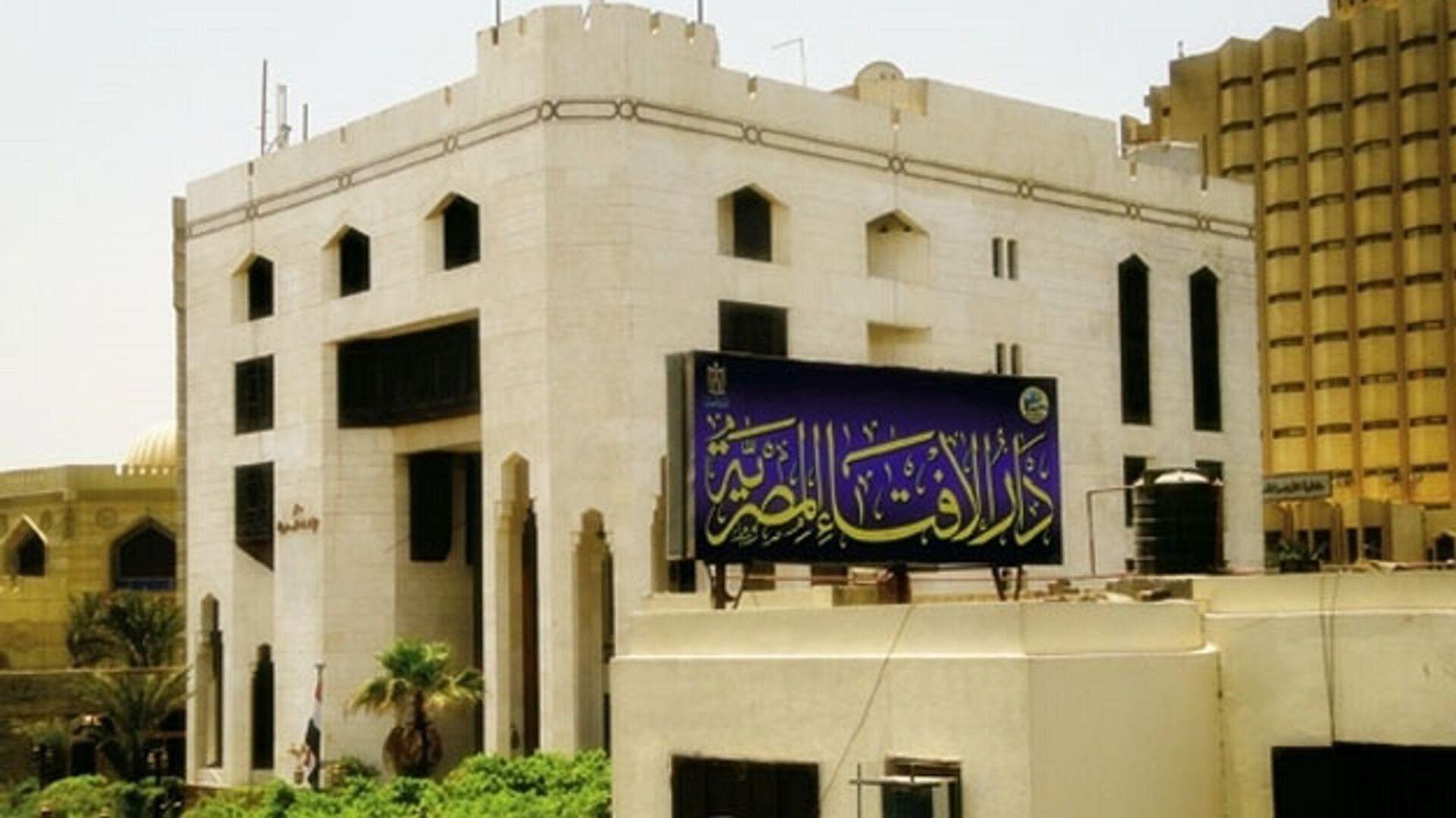

The virtue of fasting Ashura in Islam
Fasting the 10th of Muharram, known as the Day of Ashura, is a highly recommended Sunnah in Islam. It carries great spiritual significance and is associated with the salvation of Prophet Moses (peace be upon him) from Pharaoh.
Dar Al-Ifta Egypt explained that fasting this day expiates the sins of the previous year, based on the Prophet’s saying:
“I hope from Allah that fasting the day of Ashura will expiate the sins of the previous year.”
Islamic ruling on fasting Ashura
Legal ruling
Fasting Ashura is a confirmed Sunnah, not an obligation. Whoever fasts it is rewarded, and whoever leaves it bears no sin.
Fasting Ashura alone
Dar Al-Ifta confirmed that fasting Ashura alone is permissible with no dislike or sin, whether fasting it alone or with additional days.
Recommended levels of fasting Ashura
First level (best)
Fasting the 9th, 10th, and 11th of Muharram, which is the most complete form following the Sunnah.
Second level
Fasting the 9th and 10th together, which is recommended and authentically reported.
Third level
Fasting only the 10th of Muharram, which is still valid and rewarded.
Wisdom behind fasting Ashura
This day marks the great event of Allah saving Prophet Moses and his people from Pharaoh, making it a day of gratitude, mercy, and remembrance of divine salvation.
The Prophet’s practice
The Prophet Muhammad ﷺ used to fast this day and encourage Muslims to observe it due to its immense reward and its role in expiating sins.
Is fasting Ashura obligatory?
No, it is a recommended Sunnah, not obligatory.
Can Ashura be fasted alone?
Yes, it is permissible with no sin or dislike.
What is the best way to fast Ashura?
Fasting the 9th, 10th, and 11th of Muharram.
What is the reward of fasting Ashura?
It expiates the sins of the previous year, according to authentic hadith.
Learn about the authentic evening adhkar from the Sunnah, their virtues, recommended repetitions, and how they bring protection, peace, and blessings.

Ruqyah Shar’iyyah is one of the Islamic methods of seeking healing and protection through Quranic verses and prophetic supplications. Learn its correct method, verses, and duas.
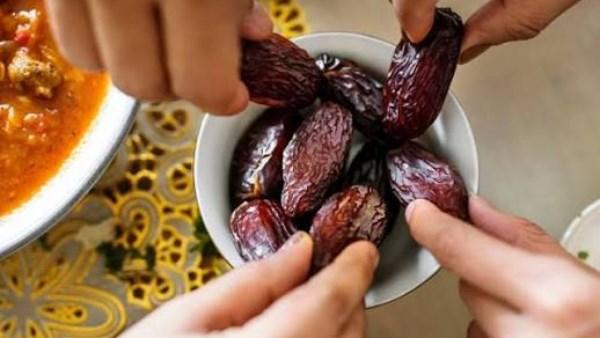
Learn the dates of the White Days of Safar, the virtues of fasting them, why they are called the White Days, and the Islamic teachings regarding this recommended Sunnah.

Discover the complete story of Prophet David (Dawood) in Islam, including how he became both a king and a prophet, his miracles, his devotion to worship, and his remarkable life according to the Quran and authentic Sunnah.
