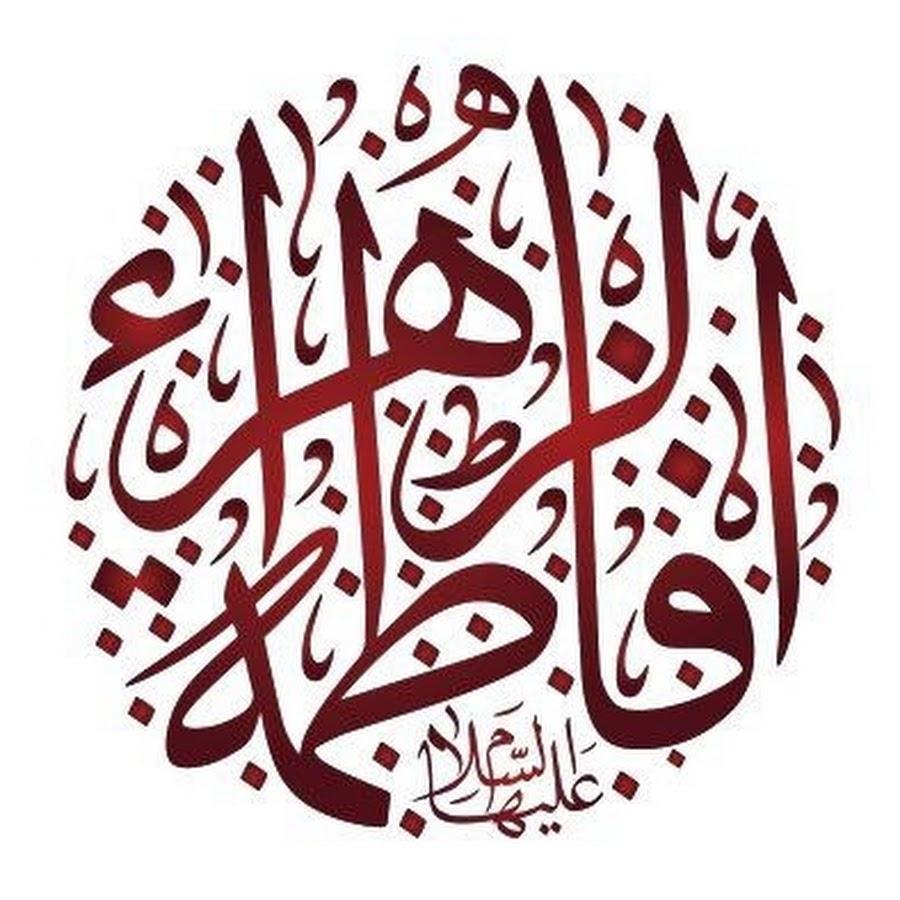

Who was Fatimah al-Zahra رضي الله عنها, and what made her one of the most honored women in the Prophet’s household? Fatimah was the daughter of Prophet Muhammad ﷺ and Lady Khadijah رضي الله عنها, the wife of Ali ibn Abi Talib رضي الله عنه, and the mother of Hasan and Husayn رضي الله عنهما.
Who Was Fatimah al-Zahra?
Fatimah was the daughter of Prophet Muhammad ﷺ and Khadijah bint Khuwaylid رضي الله عنها. She married Ali ibn Abi Talib رضي الله عنه and became the mother of Hasan, Husayn, Zaynab and Umm Kulthum.
She was known by several honored titles, including al-Zahra and al-Batul, and was remembered for her patience, devotion, modesty, contentment and strong faith.
Historical reports differ concerning some details of her birth date and age, so these details should be presented with care.
The Prophet’s Love for Fatimah
Fatimah held a special place in the heart of the Prophet ﷺ. He welcomed her with affection and honored her greatly.
A well-known prophetic statement says:
“Fatimah is a part of me; what troubles her troubles me, and what hurts her hurts me.”
This statement reflects the exceptional affection and close family bond between the Prophet ﷺ and his daughter.
Fatimah’s Role in Transmitting Hadith
Fatimah رضي الله عنها narrated reports from her father, Prophet Muhammad ﷺ. Among those who narrated from her were Hasan and Husayn, Aisha, Umm Salamah and Anas ibn Malik رضي الله عنهم.
Her narrations became part of the broader tradition through which the teachings and life of the Prophet ﷺ were transmitted.
Fatimah’s Marriage to Ali ibn Abi Talib
Fatimah married Ali ibn Abi Talib رضي الله عنه, and their marriage became one of the most significant family relationships in the prophetic household.
Their children included Hasan and Husayn رضي الله عنهما, as well as Zaynab and Umm Kulthum.
Through her children, Fatimah became central to the continuation of the Prophet’s family line.
The Virtues of Fatimah al-Zahra
Numerous reports describe Fatimah’s high status and virtues. Among the most famous is the narration in which the Prophet ﷺ informed her of her distinguished position and that she would be among the first members of his family to join him after his death.
Another well-known narration mentions:
“The best women of Paradise are Khadijah bint Khuwaylid, Fatimah bint Muhammad, Maryam, and Asiyah.”
These reports illustrate the high esteem in which Fatimah was held within Islamic tradition.
Fatimah and Ahl al-Bayt
Fatimah رضي الله عنها was a central figure among the Prophet’s household. Reports describe the Prophet ﷺ gathering Fatimah, Ali, Hasan and Husayn and praying for his household.
Her life was also closely connected with Hasan and Husayn, the beloved grandsons of the Prophet ﷺ.
The Names and Titles of Fatimah
Fatimah
Fatimah is her most well-known name. Some reports discuss the meaning and reason behind the name, although scholars have differed regarding the authenticity of some of these narrations.
Al-Zahra
She became widely known as al-Zahra, a title associated with brightness, purity and beauty.
Al-Batul
Another title attributed to her is al-Batul. Scholars offered several explanations, including devotion to worship and detachment from worldly distractions.
Mother of the Imams
Fatimah was also described in some traditions as the Mother of the Imams, reflecting the importance of her descendants within the history of Ahl al-Bayt.
The Death of Fatimah al-Zahra
Fatimah رضي الله عنها died shortly after the death of Prophet Muhammad ﷺ. One of the most widely reported accounts states that she lived for approximately six months after him.
She died in the eleventh year after the Hijrah and was buried at night, according to well-known historical and hadith reports.
Fatimah’s Concern for Modesty
Reports about Fatimah’s burial emphasize her concern for modesty and privacy. Narrations mention a covered bier prepared in a way that preserved the dignity and modesty of the deceased woman.
This reflects one of the qualities traditionally associated with her character: modesty and concern for proper Islamic etiquette.
Fatimah’s Descendants and the Prophetic Family
The descendants of Prophet Muhammad ﷺ continued through Fatimah رضي الله عنها, particularly through her sons Hasan and Husayn رضي الله عنهما.
For this reason, her name remains deeply connected with the history of Ahl al-Bayt and the descendants of the Prophet ﷺ.
Lessons from the Life of Fatimah al-Zahra
The life of Fatimah offers many enduring lessons, including:
- Patience in times of hardship.
- Love and respect for parents.
- Devotion to Allah.
- Modesty and dignity.
- Contentment and gratitude.
- Commitment to family.
- Love for Prophet Muhammad ﷺ.
- Respect for Ahl al-Bayt.
Conclusion
Fatimah al-Zahra رضي الله عنها was the daughter of Prophet Muhammad ﷺ and Khadijah رضي الله عنها, the wife of Ali ibn Abi Talib, and the mother of Hasan and Husayn رضي الله عنهما.
She occupied a unique place in the Prophet’s household and was remembered for her devotion, patience, modesty and dignity. The Prophet ﷺ expressed deep love for her, and numerous narrations describe her virtues and honored status.
She died in the eleventh year after the Hijrah, around six months after the death of her father according to one of the most widely transmitted accounts. Her legacy remains closely connected to the history of the Prophet’s family and Ahl al-Bayt.
Who was Fatimah al-Zahra?
She was the daughter of Prophet Muhammad ﷺ and Khadijah رضي الله عنها, wife of Ali ibn Abi Talib and mother of Hasan and Husayn.
Who did Fatimah marry?
She married Ali ibn Abi Talib رضي الله عنه.
Who were Fatimah’s children?
Her best-known children were Hasan, Husayn, Zaynab and Umm Kulthum رضي الله عنهم.
When did Fatimah die?
She died in 11 AH, approximately six months after the Prophet ﷺ according to a widely reported narration.