
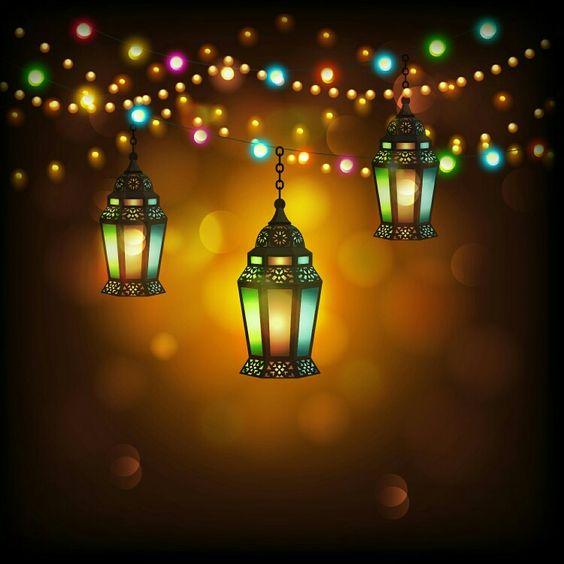

Religious scholars have settled the debate over hanging Ramadan lanterns and decorations in streets and homes, confirming that the practice is not considered a religious innovation and that expressing joy for the holy month is encouraged.
The ruling explains that decorating for Ramadan is originally permissible and can even be recommended if it is linked to good intention, as long as it does not involve extravagance, arrogance, harm to others, or violation of public rights.
Does Not Doing It Mean It Is Forbidden?
The fatwa clarifies that claiming something is forbidden simply because the Prophet did not do it is incorrect, since abandoning an act does not mean it is unlawful. Social customs are basically allowed unless there is clear evidence prohibiting them.
Joy in Seasons of Worship
It also stresses that happiness at the arrival of blessings is part of Islamic teaching, and among the greatest blessings are seasons of worship such as fasting. Muslims in earlier generations used to rejoice in the coming of Ramadan and pray to reach it and have their deeds accepted.
Guidelines for Decorations
The ruling emphasizes moderation, avoiding wastefulness, harming others, or blocking public interests, so that celebrating Ramadan remains a form of gratitude rather than show or excess.
For more details and the latest news, follow Masr Connect




