
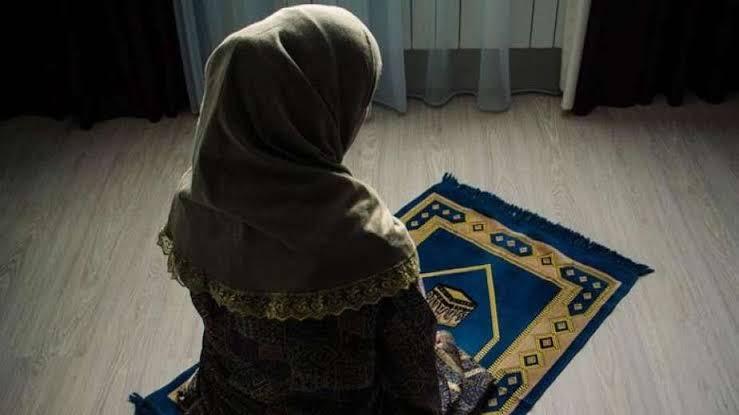

Sheikh Owaida Osman, Fatwa Secretary at Dar Al-Ifta Egypt, responded to a question about closing the eyes during prayer, explaining that the default is to keep the eyes open and look at the place of prostration. As Imam Al-Kathani said: each body part has its own form of worship—eyes worship by looking at the prostration spot, hands move, the tongue recites remembrance, and the mind focuses.
He clarified that closing the eyes is generally against the Sunnah unless there is a necessity such as achieving khushu’. Imam Izz Ibn Abd al-Salam stated: "Whoever closes their eyes to achieve khushu’ in prayer, there is no dislike in that." Therefore, a worshipper may temporarily close their eyes if looking around distracts them, but otherwise it is discouraged.
Causes of Khushu’ in Prayer
-
Avoiding distractions: Focus solely on the prayer.
-
Proper preparation: Arrive early, perform ablution carefully, use the miswak, and prepare physically and mentally.
-
Praying on time: Performing prayer at its prescribed time enhances concentration.
-
Choosing an appropriate place: A quiet place aids focus.
-
Remembering God’s greatness: Realizing you stand before God increases khushu’.
-
Contemplating verses and supplications: Understanding meanings strengthens engagement.
-
Calmness and stillness: Controlling movements supports khushu’.
Obstacles to Khushu’ in Prayer
-
Abbreviating or neglecting prayer rights: Such as skipping parts of the recitation.
-
Excessive movement: Finger snapping, playing with hair, beard, or accessories.
-
Feet positioning: Feet should be moderately apart according to the school of thought to maintain khushu’.
Three Words to Erase Lack of Khushu’
Sheikh Osman advised saying “Astaghfirullah … Astaghfirullah … Astaghfirullah” three times after each prayer to compensate for shortcomings. He also recommended self-discipline and constant focus, emphasizing that the soul of prayer is khushu’, and turning away from distractions strengthens the connection with God.




