
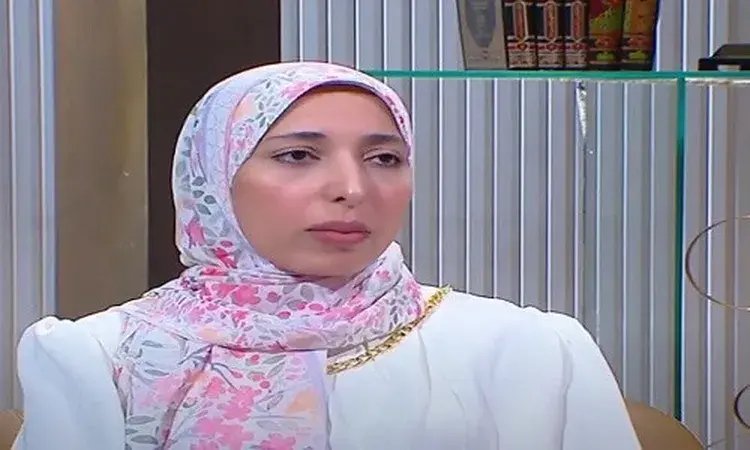

With the rise of family disputes and generational conflicts, Hind Hammam, a Fatwa official at the Egyptian Dar Al-Ifta, warned of the dangers of denying grandparents access to their grandchildren, explaining that such actions are considered a major sin in Islam. She stressed that maintaining family ties is a religious obligation, even if the other party is responsible for the rift, highlighting that strong familial bonds foster love and strengthen intergenerational relationships.
Hammam explained that a wife who prevents grandparents from seeing her children bears double responsibility: she not only severs family ties but also instills negative behavioral patterns in children, making her partly accountable for moral harm and the consequences of severed relationships. This disconnection affects children psychologically, diminishing their sense of familial security and stability.
She added that maintaining family ties is not merely an emotional matter but has practical implications for daily life, linking it to blessings in wealth, longevity, and overall well-being. Hammam emphasized the importance of reuniting families and bringing joy to grandparents through regular contact, which nurtures positive feelings and reduces conflicts.
Hammam also stated that saying “Hasbi Allah wa ni’mal wakeel” when feeling wronged is permissible, but it is preferable to include prayers for guidance and reconciliation, as this can help restore family bonds. Islam consistently encourages preserving intergenerational ties and regards severing kinship as a grave matter, making the restoration of contact with grandparents both necessary and commendable.




