
Sheikh Ahmed Wissam, a member of the Egyptian Dar Al-Ifta, explained that life after death is different from worldly life and that the state of Barzakh has its own nature, which cannot be fully compared with how people experience time in this world.
He noted that Muslims believe in matters concerning the dead when they are established by authentic Islamic texts, including reports concerning the deceased hearing the greetings offered by the living.
However, the precise details of how a deceased person experiences time and how they perceive the period until the Day of Resurrection are matters that Muslims are not required to fully understand.
What Can Benefit the Deceased?
Rather than becoming preoccupied with unseen matters for which there is no detailed revealed explanation, Muslims are encouraged to focus on actions that Islamic teachings establish as beneficial to the deceased, including supplication, seeking forgiveness, and charity.
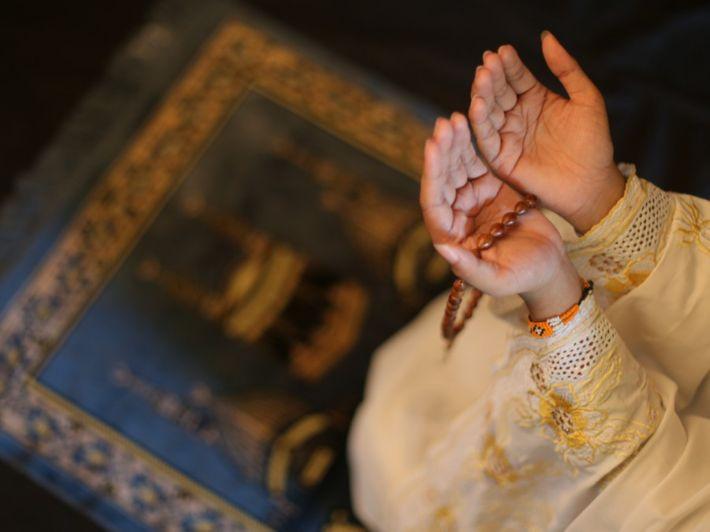
A believer can pray for the deceased by asking Allah to forgive them, have mercy on them, raise their status, and grant them His mercy.
Supplications for the Deceased
A Muslim may pray for deceased believers with supplications such as:
- O Allah, have mercy on those who have departed from us, forgive them, and make their graves filled with light until the Day they are resurrected.
- O Allah, have mercy on our deceased and the deceased among the Muslims, and forgive them.
- O Allah, have mercy on those whose separation we struggle to comprehend, heal our hearts after their departure, and gather us with them in Your mercy.
- O Allah, have mercy on the righteous souls who have returned to You, forgive them, grant them spacious graves, and envelop them in Your mercy.
- O Allah, have mercy on those beneath the earth and forgive our deceased and all deceased Muslims.
- O Allah, grant us the best of what You grant those who ask, bring goodness to our worldly life and religion, and forgive us, our parents, and all Muslims.
- O Allah, remove our sorrow and distress and grant us relief from every hardship and a way out of every difficulty through Your mercy.
What Is Said Between the Two Prostrations?
Dr. Ramadan Abdel Razek, a member of Al-Azhar’s Higher Committee for Da’wah, highlighted a supplication commonly mentioned for the sitting between the two prostrations:
“O Allah, forgive me, have mercy on me, raise me, mend me, guide me, pardon me, and provide for me.”
The supplication is said while sitting between the first and second prostrations.
Muslims should distinguish between supplications authentically reported from the Prophet Muhammad, peace be upon him, and expressions that have become widely circulated. When attributing a specific wording to the Prophet, it is preferable to verify its authenticity.
Must the Supplication Be Said in a Specific Order?
According to the material presented, Dr. Ramadan Abdel Razek explained that the words in this particular formulation do not have to be arranged in a specific order.
The worshipper may supplicate between the two prostrations with permissible and established prayers, while observing the supplications specifically reported for different positions in prayer.
How Should a Person Sit Between the Prostrations?
The Egyptian Al-Azhar Global Fatwa Center explained that the worshipper sitting between the two prostrations places the right hand on the right thigh and the left hand on the left thigh, similar to the sitting position during the testimony of faith.
The fingers are directed toward the qiblah, while some details concerning the position of the fingers differ among Islamic schools of jurisprudence.
Relying on the hands on the ground while sitting is not the normal position when a person is able to sit properly. However, a person with an illness or legitimate difficulty may adopt another position according to their ability.
Who Are the Righteous Allies of Allah?
Dr. Yousry Gabr explained that the concept of being an ally of Allah has a general meaning and a special meaning.
The general meaning applies to believers, based on the Quranic statement:
“Allah is the Protector of those who believe.”
The special meaning refers to those described in the Quran:
“Indeed, the allies of Allah will have no fear concerning them, nor will they grieve. Those who believed and were mindful of Allah.”
Thus, the defining qualities of Allah’s righteous allies are faith and piety, rather than fame, outward appearance, or claims of spiritual status.
How Can a Person Become an Ally of Allah?
Dr. Yousry Gabr explained that the path toward Allah’s special guardianship begins with sincere faith reflected in conduct and daily actions.
Important qualities include:
- Maintaining the obligatory prayers on time.
- Honoring parents and maintaining family ties.
- Seeking lawful earnings and performing work with excellence.
- Being truthful and avoiding lies.
- Following the noble character of the Prophet Muhammad.
- Observing voluntary prayers and other acts of worship.
- Giving charity and regularly doing good deeds.
- Helping those in need and bringing happiness to others.
- Thinking well of people and wishing good for them.
- Avoiding sins and using Allah’s blessings in ways that please Him.
Piety and Using Allah’s Blessings Properly
Dr. Yousry Gabr also stressed the importance of not using Allah’s blessings in prohibited ways and encouraged believers to use their hearing, sight, and other abilities for beneficial purposes.
Listening to the Quran, remembrance of Allah, and beneficial knowledge are examples of ways to use these blessings positively.
He emphasized that reaching the rank of Allah’s righteous allies is connected to faith, piety, self-discipline, and steadfastness rather than outward appearances or claims of supernatural status.
How does a deceased person experience time?
The precise way the deceased perceive time in Barzakh is part of the unseen, and Muslims should limit their beliefs to what is established by reliable Islamic evidence.
What is the supplication between the two prostrations?
One commonly cited formulation is: “O Allah, forgive me, have mercy on me, raise me, mend me, guide me, pardon me, and provide for me.”
How should one sit between the two prostrations?
The worshipper sits between the prostrations with the hands resting on the thighs, with the fingers directed toward the qiblah, according to the relevant Sunnah and school of jurisprudence.
Who are the allies of Allah?
They are believers characterized by faith and piety, as stated in the Quran: “Those who believed and were mindful of Allah.”
How can someone become an ally of Allah?
By sincere faith, piety, fulfilling obligatory acts of worship, doing good deeds, avoiding sins, and striving for righteous character and conduct.