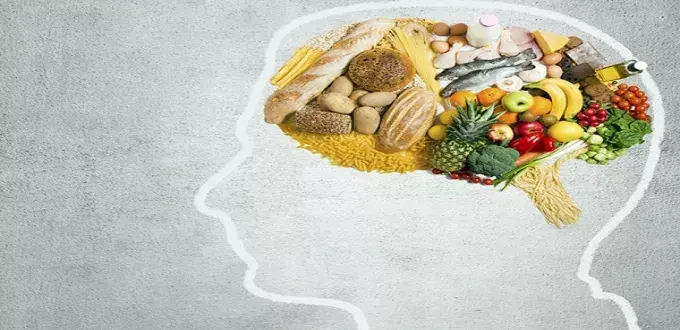

The nervous system is the main control center of the human body, managing essential processes such as memory, concentration, heart rhythm, digestion, and responses to daily stress. The efficiency of this complex network depends on several factors, including proper nutrition that supports nerve cells and brain activity.
Health reports suggest that some foods contain important nutrients such as B vitamins, magnesium, and omega-3 fatty acids, which help regulate nerve signals and maintain energy balance within the body.
Foods That Nourish Nerve Cells
Fatty fish such as salmon are among the richest sources of omega-3 fatty acids. These healthy fats play a key role in forming nerve cell membranes and maintaining their flexibility, allowing nerve signals to travel more efficiently.
Leafy green vegetables like spinach also provide essential nutrients for the nervous system, particularly folate, which helps the body produce neurotransmitters responsible for communication between brain cells. Spinach also contains magnesium, which supports nerve signaling and muscle relaxation.
Lentils are another nutritious option because they provide plant-based protein and amino acids needed to produce neurotransmitters. They also contain iron, which helps transport oxygen to the brain and nerve cells, along with magnesium that supports balanced nerve activity.
Foods That Support the Gut-Brain Connection
Recent research highlights the strong relationship between digestive health and brain function, often referred to as the gut-brain axis.
Yogurt contains beneficial bacteria that help maintain a healthy balance of microorganisms in the digestive system, which may indirectly support nervous system health.
Oats are also beneficial because they contain B vitamins that help nerve cells produce energy, along with dietary fiber that supports digestive health and helps maintain beneficial gut bacteria.
Foods That Help Protect the Brain
Blueberries are rich in antioxidants that may help protect nerve cells from oxidative stress, a process that can damage cells over time. Because the brain uses a large amount of energy, it can be particularly vulnerable to this type of damage.
Pumpkin seeds are also packed with nutrients linked to nerve health, including magnesium and zinc, both of which play important roles in brain function and immune support.
Dark chocolate contains plant compounds known as flavonoids, which act as antioxidants and may help reduce inflammation affecting the brain. It also contains small amounts of caffeine that can stimulate the central nervous system when consumed in moderation.
Maintaining a healthy nervous system does not depend on a single food but rather on a balanced diet that includes a variety of nutrients such as proteins, healthy fats, vitamins, and fiber. Together, these nutrients help support brain performance and overall body balance.
For more details and the latest news, follow Misr Connect website