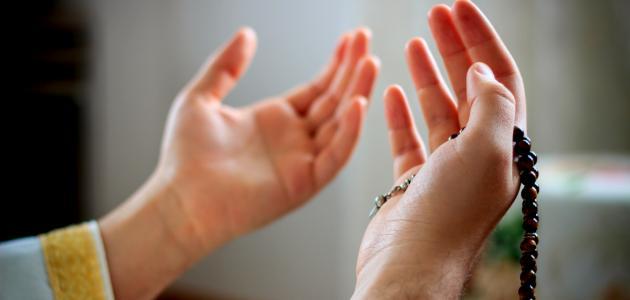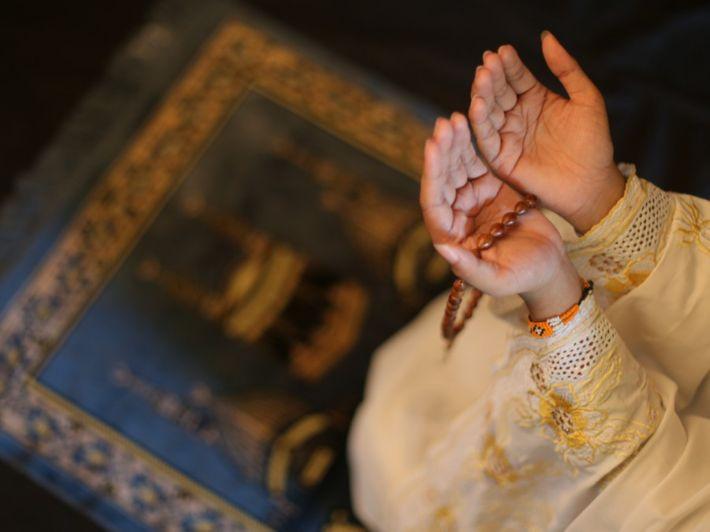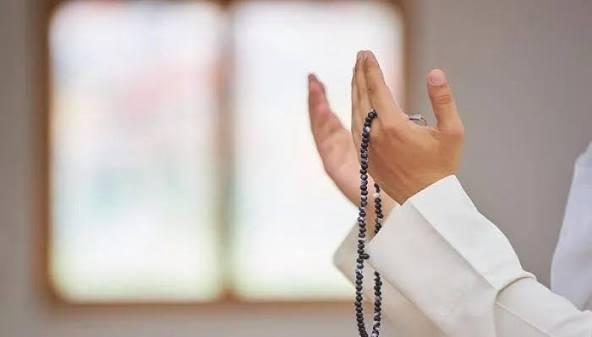

The Prophet Muhammad, peace and blessings be upon him, warned Muslims against making harmful supplications concerning certain aspects of their lives, particularly during moments of anger and emotional distress.
The warning applies to oneself, children, servants, and possessions.
Jabir ibn Abdullah, may Allah be pleased with them, reported that the Messenger of Allah said:
“Do not pray against yourselves, your children, your servants, or your possessions, lest you coincide with a time in which Allah grants what is asked and your supplication is answered.”
The narration is reported by Muslim.
The hadith highlights the importance of controlling one's words and avoiding harmful supplications made during moments of anger.
Why Did the Prophet Warn Against Harmful Supplication?
Supplication is an important act of worship, and Muslims are therefore encouraged to choose their words carefully rather than allowing anger to lead to harmful prayers against themselves or those connected to them.
A person may say something during a moment of intense emotion without genuinely intending its consequences, and later regret those words if the supplication is fulfilled.
The prophetic warning therefore emphasizes caution and restraint when speaking during anger.
The Status of Human Life in Islam
Islam places significant importance on protecting human life. Preservation of life is described in the source material as one of the overarching objectives that Islamic law seeks to achieve.
This concern goes beyond recognizing a person's right to live. It also includes taking measures that protect life, physical wellbeing, and freedom from harm.
The preservation of life is included among the five essential necessities mentioned in Islamic legal thought: religion, life, lineage, wealth, and intellect.
Prohibition of Unjust Killing
One expression of Islam's emphasis on protecting life is the prohibition against unjustly taking a human life.
The Quran states:
“And do not kill the soul which Allah has forbidden, except by right.” [Quran 6:151]
The verse emphasizes the sanctity of human life and the prohibition of unlawful aggression against it.
Prohibition of Suicide
Islam also prohibits a person from deliberately taking his or her own life.
The Quran states:
“And do not kill yourselves. Indeed, Allah is ever Merciful to you.” [Quran 4:29]
The verse emphasizes Allah's mercy and the prohibition against harming oneself.
Avoiding Destructive Harm
Another aspect of preserving life is the Quranic instruction:
“And do not throw yourselves with your own hands into destruction.” [Quran 2:195]
According to the source material, the meaning encompasses matters that constitute destruction or serious harm in religious or worldly affairs.
No Harm and No Reciprocating Harm
Islamic teachings also prohibit causing harm to oneself or others.
Abu Sa'id al-Khudri, may Allah be pleased with him, reported that the Prophet said:
“There should be neither harm nor reciprocating harm.”
The narration reflects the broader principle of preventing harm and protecting people from injury and wrongdoing.
What Should a Muslim Do Instead of Praying for Harm?
When angry, a Muslim should avoid praying for harm against themselves, their children, servants, or possessions.
Instead, they can ask Allah for goodness, guidance, reconciliation, and improvement, while avoiding words they may later regret if they happen to coincide with a time of answered supplication.
Conclusion
The Prophet Muhammad, peace and blessings be upon him, warned against praying for harm upon oneself, children, servants, and possessions, so that a person's supplication does not coincide with a time when it is answered.
Islamic teachings also emphasize preserving human life and protecting it from killing, harm, and destruction. Muslims are therefore encouraged to control their speech, especially during anger, and avoid harmful supplications against themselves or others.
Who are the four mentioned in the prophetic warning?
The warning concerns oneself, one's children, servants, and possessions.
Why did the Prophet warn against harmful supplications?
Because a supplication made during anger could coincide with a time when supplications are answered, potentially leading to regret.
Is preservation of life an objective of Islamic law?
Yes. The source material identifies preservation of life as one of the five essential necessities, alongside religion, lineage, wealth, and intellect.
What does Islam say about harming oneself?
Islam prohibits killing oneself, exposing oneself to destruction, and causing harm.
What can a person do instead of praying for harm when angry?
They can avoid harmful words and instead ask Allah for goodness, guidance, reconciliation, and improvement.