Key Islamic Fatwas: White Days Fasting in Rajab, Congratulations Rulings, and Repentance Prayer
Muslims have shown growing interest in religious rulings related to fasting the White Days of Rajab, exchanging congratulations on happy occasions, and learning how to perform the Prayer of Repentance.

Many Muslims are keen to learn about important Islamic rulings connected to seasons of worship, particularly fasting the White Days in the month of Rajab, the permissibility of congratulating others on joyful occasions, and the proper way to perform Salat Al-Tawbah (Prayer of Repentance).
The White Days fall on the 13th, 14th, and 15th of each lunar month. Fasting these days is a confirmed Sunnah of the Prophet Muhammad (peace be upon him) and carries immense reward, as fasting is a unique act of worship dedicated solely to Allah, leading to forgiveness, protection from Hellfire, and entry through the special gate of Paradise known as Al-Rayyan.
Regarding congratulations during happy events, Islamic teachings encourage expressing joy and goodwill when blessings occur, especially when accompanied by prayers for continued goodness and harmony. Congratulating non-Muslims on social occasions is also considered permissible, as it falls under kindness and respectful interaction encouraged by Islam.
As for astrology and horoscope tracking, scholars warn that such practices contradict Islamic belief, as they involve claims of knowing the unseen—knowledge reserved only for Allah. Even following horoscopes out of curiosity is discouraged due to its potential impact on faith.
The Prayer of Repentance remains one of the greatest doors to divine mercy. It consists of two voluntary units of prayer performed individually after ablution, followed by sincere repentance, regret, and a firm intention not to return to sin. The door of repentance remains open until the soul reaches the throat or the sun rises from the west, reflecting the vast mercy of Allah toward His servants.

Sheikh Mohamed Kamal of Egypt's Dar Al-Ifta explains the conditions, rules, and invalidations of wiping over socks and leather footwear during ablution.
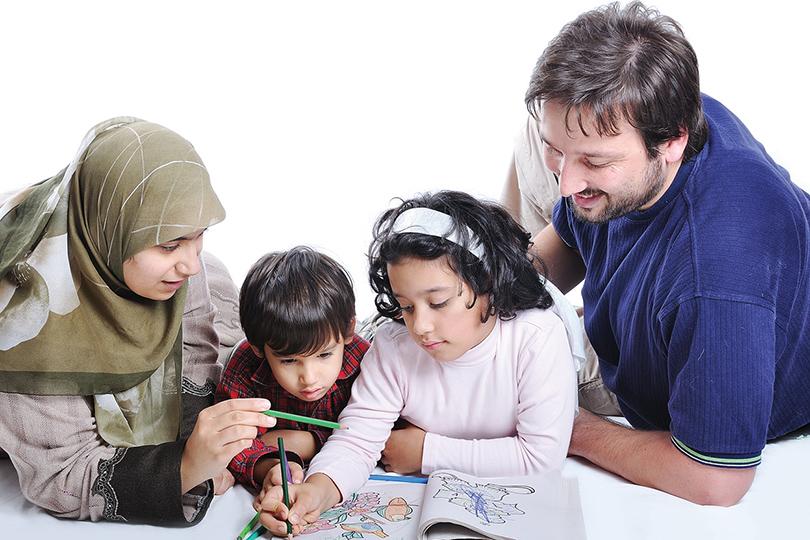
Al-Azhar Global Center for Fatwa highlights 7 key behaviors to strengthen family ties, from compassion and kindness to positive encouragement, fostering a stable family environment.
Sheikh Mohamed Kamal explains that looking at the place of prostration is a recommended Sunnah, while raising the eyes upward does not invalidate the prayer.
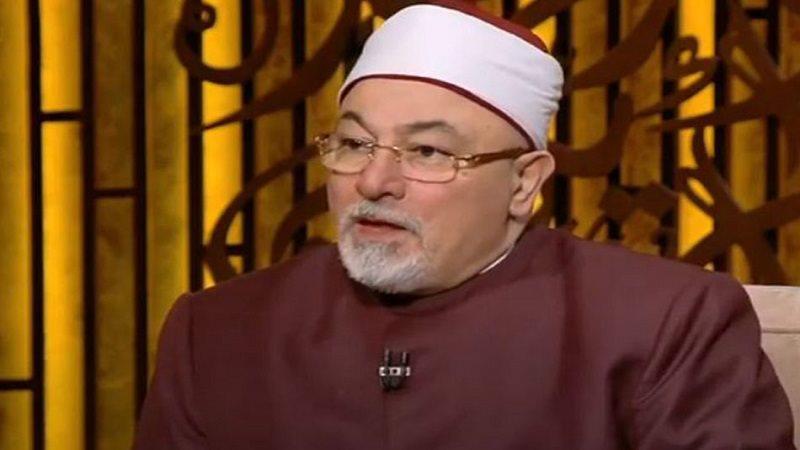
As 2026 begins, Sheikh Khaled El Gendy delivers a heartfelt spiritual message, offering prayers of peace, contentment, and reconciliation with God and oneself.
