


Permissibility of offering fidya
Dar al-Ifta explained that the required fidya (compensation) for violations during Hajj may be slaughtered:
- In the pilgrim’s home country
- Or within the sacred precinct of Makkah
Timing of fidya
It is permissible to offer fidya:
- During the days of Hajj
- Or at any time throughout the year
Wisdom behind fidya
Fidya serves to:
- Compensate for deficiencies in worship
- Support the poor and needy anywhere
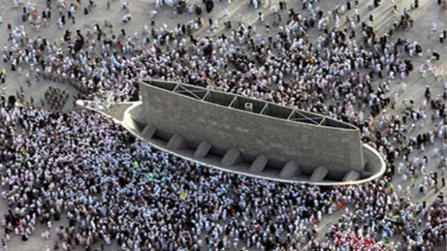
Ruling on Stoning Jamrat al-Aqabah on Eid al-Adha
Permissible timing
It is allowed to stone Jamrat al-Aqabah after midnight on the night of Eid al-Adha for:
- Those who are able
- And those who are unable
Evidence
This ruling is based on narrations from Aisha (may Allah be pleased with her), where the Prophet ﷺ allowed stoning before dawn on that night.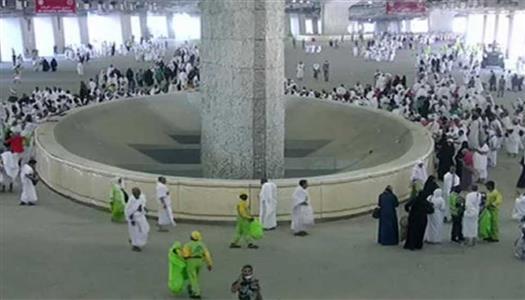
Stoning Jamrat al-Aqabah for the Able and Unable
Ease and facilitation
The ruling applies equally to all pilgrims, aiming to:
- Reduce crowding
- Ease hardship
- Facilitate worship for women, elderly, and weak individuals
Is a Husband’s Permission Required for a Woman’s Hajj?
General ruling
Hajj is obligatory for every capable Muslim, male or female.
Husband’s permission
According to the majority of scholars:
- A woman does not need her husband’s permission to perform obligatory Hajj
Conditions of capability
- Financial ability
- Physical ability
- Safe travel conditions

Women’s Ihram Clothing
What a woman wears in Ihram
- Normal modest clothing covering the entire body
- Except the face and hands
Prohibitions
- Wearing a face veil (niqab)
- Wearing gloves
Women’s Conduct During Hajj Rituals
Movement during rituals
- Walk calmly and with dignity
- No brisk walking (raml) in Tawaf
- No running during Sa’i
Hair care
Permitted:
- Washing hair
- Combing
- Untying hair if needed
Not permitted:
- Shaving the head
- Only trimming is required
Menstruation During Hajj
What is allowed
A menstruating woman may:
- Perform all rituals except Tawaf
Special cases
- If she fears missing her group: she may perform Tawaf with precautions
- If menstruation occurs after Tawaf al-Ifadah: she may leave, and Farewell Tawaf is waived
Reward for Sincere Intention to Perform Hajj
Reward of intention
Whoever sincerely intends to perform Hajj or Umrah but is unable:
- Receives the reward of his intention
- Is rewarded as if he performed the act when the excuse is genuine
Meaning
Sincere intention elevates a person’s reward, as Allah rewards hearts before actions.
Excuses That Waive Hajj Obligation
When Hajj is not required
Hajj is waived for those who are:
- Physically unable
- Financially incapable
- Suffering from valid hardship
Islamic principle
Hajj is only obligatory upon those who are able, and there is no sin upon those who are not.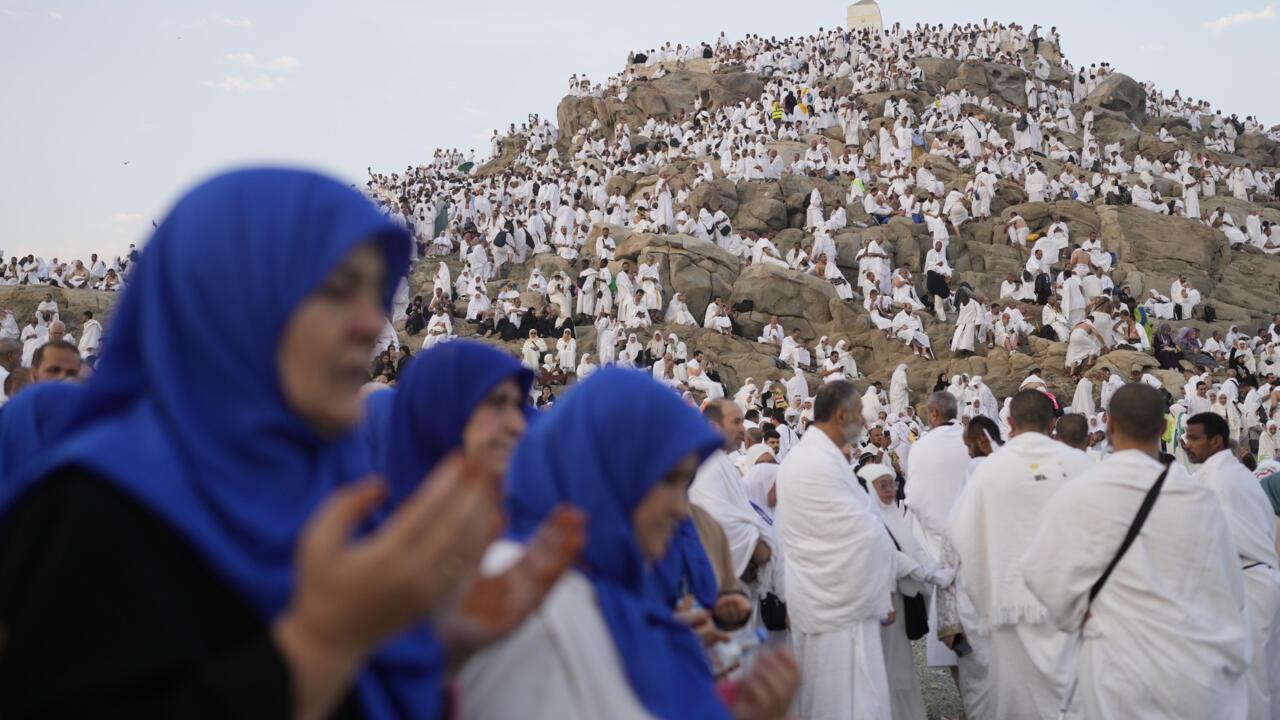
Why Tawaf Is Performed Counterclockwise
Spiritual wisdom
Tawaf symbolizes:
- A new beginning with Allah
- Washing away sins
- Renewal of faith
Physical wisdom
This direction:
- Aligns naturally with human movement
- Makes the act smooth and effortless
FAQ
Can fidya be offered outside Makkah?
Yes, it is permissible anywhere throughout the year.
Is stoning allowed at night?
Yes, after midnight of Eid night it is permitted.
Does a woman need her husband’s permission for Hajj?
No, not for obligatory Hajj according to the majority of scholars.
Does someone who intended Hajj but didn’t go get reward?
Yes, they are rewarded for sincere intention.
Is Farewell Tawaf waived for menstruating women?
Yes, if menstruation occurs after Tawaf al-Ifadah.




