Hajj Talbiyah Guide: When It Starts and Where to Recite It
Discover the timing, places, and rulings of Talbiyah in Hajj, and why it holds deep spiritual meaning for pilgrims.
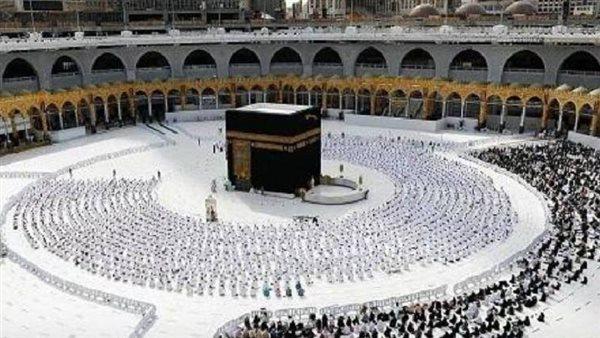

Talbiyah is one of the most powerful chants in Hajj, symbolizing a pilgrim’s response to the call of faith. It begins at the moment of Ihram and continues throughout key stages of the journey.
When does Talbiyah begin?
Pilgrims start reciting Talbiyah as soon as they enter the state of Ihram, repeating it frequently during their spiritual journey.
Places where Talbiyah is recommended
Talbiyah is encouraged in several situations, including:
- While ascending or descending terrain
- When meeting fellow pilgrims
- After prayers
- During transitions between day and night
These moments reflect the constant remembrance of faith throughout Hajj.
When should Talbiyah stop?
Scholars have different opinions regarding when Talbiyah ends. Some suggest stopping after midday on the Day of Arafah, while others recommend continuing until the stoning of Jamrat al-Aqabah on Eid al-Adha. This difference highlights flexibility in practice.
The wording and meaning of Talbiyah
Talbiyah is recited as:
“Labbayka Allahumma labbayk, labbayka la sharika laka labbayk, inna al-hamda wa al-ni‘mata laka wa al-mulk, la sharika lak.”
It represents full submission, devotion, and a heartfelt response to God.
Talbiyah remains a central spiritual expression in Hajj, echoing unity, humility, and faith.
For more details and latest updates, follow Masr Connect
Learn about the authentic evening adhkar from the Sunnah, their virtues, recommended repetitions, and how they bring protection, peace, and blessings.

Ruqyah Shar’iyyah is one of the Islamic methods of seeking healing and protection through Quranic verses and prophetic supplications. Learn its correct method, verses, and duas.
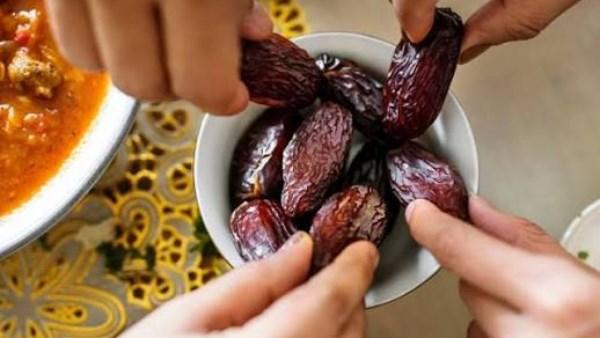
Learn the dates of the White Days of Safar, the virtues of fasting them, why they are called the White Days, and the Islamic teachings regarding this recommended Sunnah.
Discover the complete story of Prophet David (Dawood) in Islam, including how he became both a king and a prophet, his miracles, his devotion to worship, and his remarkable life according to the Quran and authentic Sunnah.
