
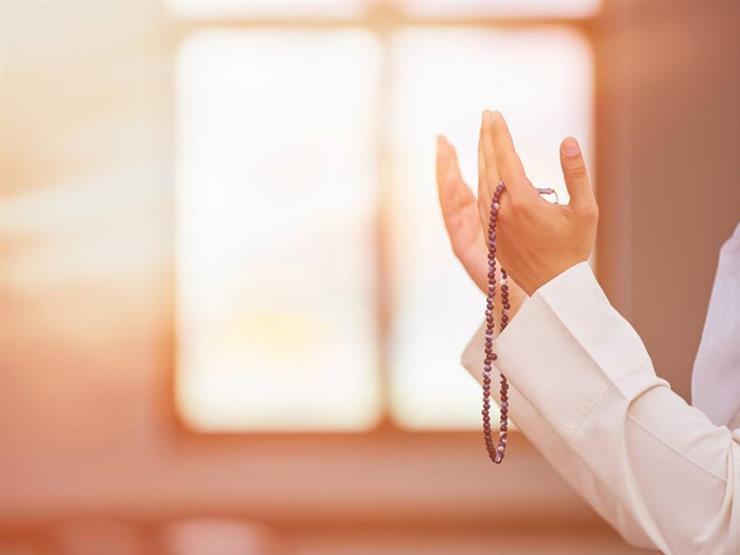

Ramadan is one of the most spiritually significant times of the year for Muslims, a season filled with worship, reflection, and heartfelt prayers. Among the most common supplications during this blessed month are prayers for healing, as many people ask God to remove illness and grant health and well-being to those who suffer.
Scholars highlight that supplication during Ramadan carries special value, especially at blessed moments such as the time of breaking the fast and the last third of the night. These moments are known for being times when prayers are more likely to be accepted.
One of the most well-known healing supplications is:
“O Lord of mankind, remove the harm and heal, for You are the Healer. There is no healing except Your healing, a healing that leaves no illness behind.”
Another recommended supplication is:
“I ask Allah, the Mighty, Lord of the Great Throne, to heal you,” which is often repeated seven times.
Prophetic Supplications for Healing
Several authentic prayers from the prophetic tradition are commonly recited for the sick, including:
-
“In the name of Allah, I perform ruqyah for you from everything that harms you, from the evil of every soul or envious eye. May Allah heal you.”
-
“I seek refuge in the might and power of Allah from the evil of what I feel and fear.”
General Prayers for the Sick
People may also say broader supplications asking for mercy and recovery, such as:
-
“O Allah, we ask You by Your great kindness, generosity, and protection to heal every sick person and grant them health and wellness.”
-
“O Allah, heal every patient whose pain is known only to You.”
Healing Supplications in Ramadan
During Ramadan, many believers frequently pray for those who are ill, with supplications like:
-
“O Allah, make Ramadan a relief for our worries and a healing for our sick.”
-
“O Allah, remove hardship from every patient and grant them health and well-being.”
It is recommended to place the hand on the area of pain while reciting these supplications and to seek the blessed times for prayers to be answered, such as during prostration, at the moment of breaking the fast, or in the last third of the night.
For more details and the latest news, follow Masr Connect.




