
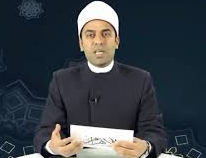

Dr. Ahmed Essam Farhat, imam and preacher of Sayyida Zainab Mosque, answered several questions posed by children about the meanings behind certain Islamic practices during his presentation of the program “Iqra’ wa Rabbuka Al-Akram”.
Why is it called the Day of Arafah?
The imam explained that scholars have mentioned several reasons for naming Day of Arafah with this title. One explanation is that people gather on that day and come to know one another, meaning they “recognize” each other.
Another narration says that Prophet Adam and Eve met at Arafah after descending to Earth and recognized one another there. A third interpretation relates to the rituals of pilgrimage: it is said that the angel Gabriel would ask Prophet Abraham while teaching him the rites of pilgrimage, “Have you understood?” and Abraham would reply, “I have understood,” which led to the name Arafah.
Some scholars also say the day carries this name because pilgrims acknowledge and confess their sins there, seeking forgiveness from God.
What does Taraweeh prayer mean?
In response to another child’s question about the meaning of Taraweeh, Dr. Farhat explained that the prayer is performed after the night prayer during the month of Ramadan.
He noted that it is prayed two units at a time and is called Taraweeh because worshippers traditionally take short rests after every four units of prayer.
Why do people still make mistakes if devils are restrained in Ramadan?
When a child asked why people still commit wrong actions even though devils are restrained during Ramadan, the imam explained that sins do not only come from devils. They may also result from bad habits, personal desires, or the influence of human wrongdoing.
He added that some scholars interpret the restraint of devils as a reduction in their influence during Ramadan, while others say that the abundance of good deeds during the month makes their impact minimal.
When are Hajj and Umrah performed?
Dr. Farhat also clarified that Hajj takes place during specific months: Shawwal, Dhul-Qa’dah, and Dhul-Hijjah, whereas Umrah can be performed at any time of the year.
He stressed that Hajj is only obligatory for Muslims who are physically and financially capable of performing it.
Deeds that bring rewards similar to Hajj
The imam explained that there are certain good deeds through which a Muslim may receive rewards similar to the reward of Hajj in terms of spiritual merit, though they do not replace the obligation of pilgrimage for those who are able.
Among these deeds are:
-
Having a sincere intention to perform Hajj.
-
Maintaining prayers in congregation at the mosque.
-
Performing the dawn prayer in congregation and remembering God until sunrise, then praying two units.
-
Performing Umrah during Ramadan.
-
Reciting remembrances after obligatory prayers.
-
Attending gatherings of religious knowledge.
-
Honoring one’s parents.
-
Helping others and fulfilling their needs.
He concluded that these acts reflect the vast mercy of God, granting great rewards to believers whether or not they are able to perform the pilgrimage.




