Ruling on Cutting Hair and Nails for Those Intending Qurbani: Ali Gomaa Clarifies
Learn the Islamic ruling on cutting hair and nails for those intending Qurbani during Dhul-Hijjah, as explained by Dr. Ali Gomaa.


Ruling on Leaving Hair and Nails Uncut
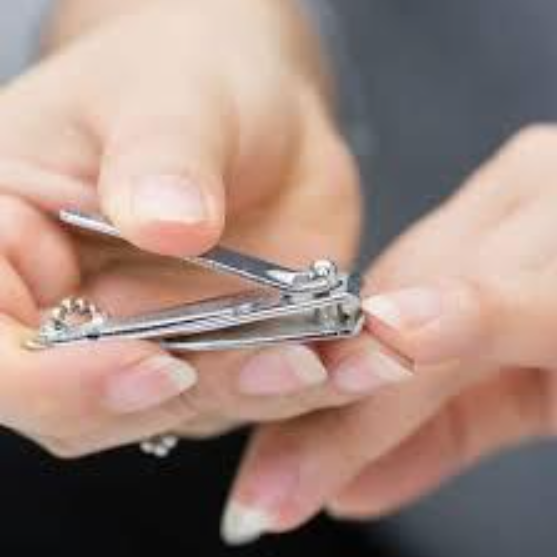
Dr. Ali Gomaa explained that it is recommended for a person intending to offer a Qurbani sacrifice, once the first ten days of Dhul-Hijjah begin, to refrain from cutting their hair or nails until their sacrifice is performed, as an act of devotion and drawing closer to Allah.
Is It Obligatory to Refrain from Cutting Hair and Nails?
The Islamic Ruling
Ali Gomaa clarified that:
- Refraining from cutting hair and nails is recommended (Sunnah), not obligatory
- There is no sin or expiation for those who do so
- The matter is based on ease and mercy, not strict obligation

Who Does This Ruling Apply To?
The Person Offering the Sacrifice Only
This Sunnah applies to:
- The individual who intends to offer the sacrifice in their own name and wealth
- The head of the household if he is the one offering Qurbani
It does NOT apply to:
- The wife
- Children
- Other family members

Ruling for Women Offering Qurbani
If a woman:
- Owns the sacrifice from her own wealth
- Intends to perform Qurbani herself
Then:
- It is recommended for her to refrain from cutting hair and nails
- Until the animal is slaughtered
When Does It Begin?
Starting Point
- From the beginning of Dhul-Hijjah
- Until the sacrifice is performed
If It Becomes Difficult
Ali Gomaa noted:
- It is permissible to trim hair or nails before Dhul-Hijjah begins
- Especially at the end of Dhu al-Qi’dah if needed

Wisdom Behind This Ruling
A Spiritual Meaning
This ruling carries spiritual significance, including:
- Resembling pilgrims in ihram
- Honoring the symbols of worship
- Reflecting the spirit of sacrifice and devotion
Not About Hardship
He emphasized that:
- The ruling is about worship, not strictness
- It is not meant for showing off or burden
Conclusion
Refraining from cutting hair and nails for those intending Qurbani is a recommended Sunnah starting from the beginning of Dhul-Hijjah until the sacrifice is performed. It is an act of devotion that reflects closeness to Allah without any obligation or hardship.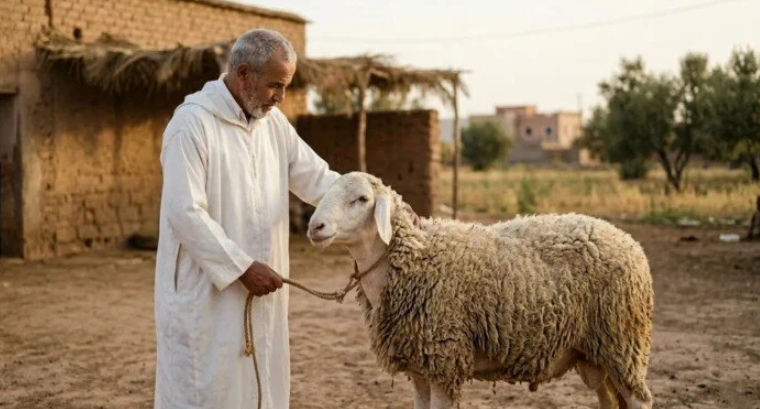
FAQ
Is it allowed to cut hair for someone intending Qurbani?
Yes, it is allowed, but it is recommended not to.
Is it obligatory to avoid cutting hair and nails?
No, it is only a recommended Sunnah.
Who is required to follow this ruling?
Only the person offering the sacrifice.
When does the restriction start?
From the beginning of Dhul-Hijjah until slaughter.
Is there sin for cutting hair or nails?
No, there is no sin or penalty.
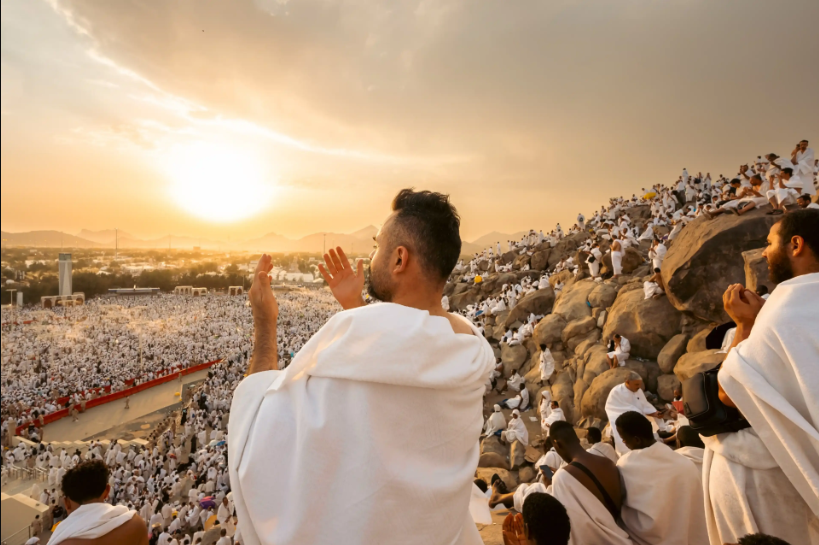
Learn the best deeds on the Day of Arafah for pilgrims and non-pilgrims, including fasting, prayers, and powerful forgiveness duas on this blessed day

Learn the so-called “miracle prayer for children” and beautiful supplications for protecting kids, guiding them, and asking Allah for safety, righteousness, and blessings.
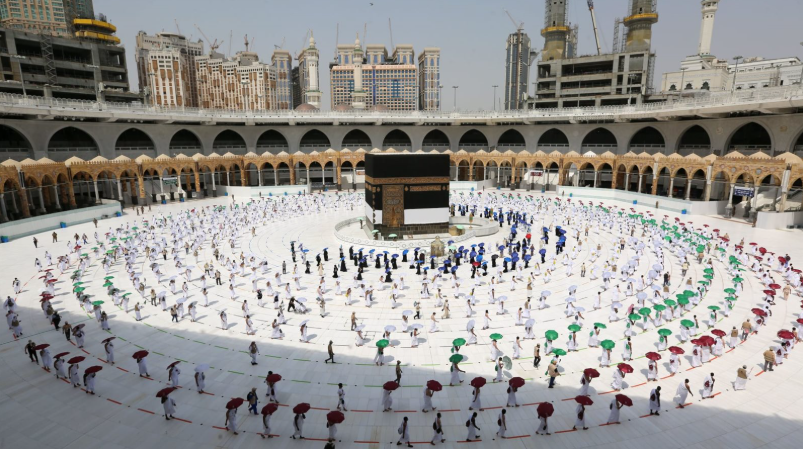
Learn the ruling on interrupting Tawaf for obligatory prayer and how to resume it afterward according to Dar Al-Ifta Egypt and Islamic jurisprudence.
A collection of authentic supplications for relief from distress, easing sadness, and calming the heart, along with spiritual tips for inner peace.
