Is Age a Condition for Udhiyah or Is Meat Quantity Enough? The Four Schools Explain
Learn whether age is required for Udhiyah or if meat quantity is sufficient, and explore the views of the four Islamic schools and modern fatwas.
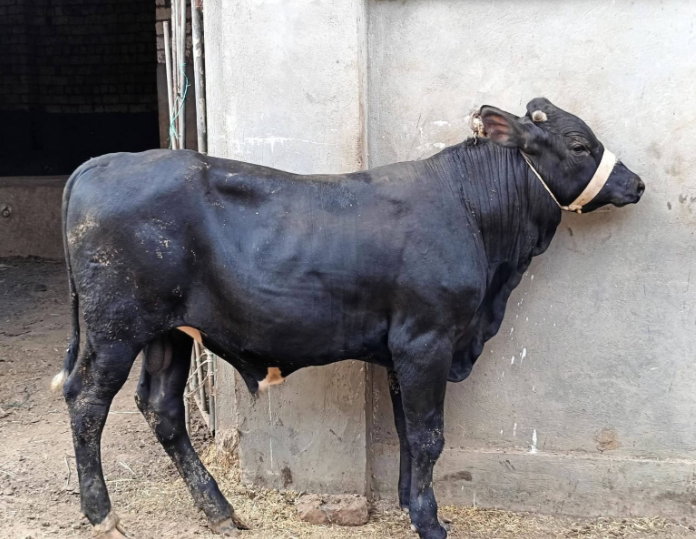

Is Age a Condition for Udhiyah or Is Meat Quantity Enough? The Four Schools Explain
The Debate Between Age and Meat Quality
Sheikh Abu El-Yazid Salama, an Al-Azhar scholar, explained that the ongoing debate about whether a young animal with abundant meat can be used for Udhiyah has been addressed by classical Islamic jurisprudence as well as modern scholarly reasoning.
The four major Islamic schools of law have established clear conditions related to the minimum age of sacrificial animals, while contemporary discussions have revisited the underlying objective of Udhiyah: ensuring sufficient and beneficial meat for the needy.
Age Requirements in the Four Schools of Thought
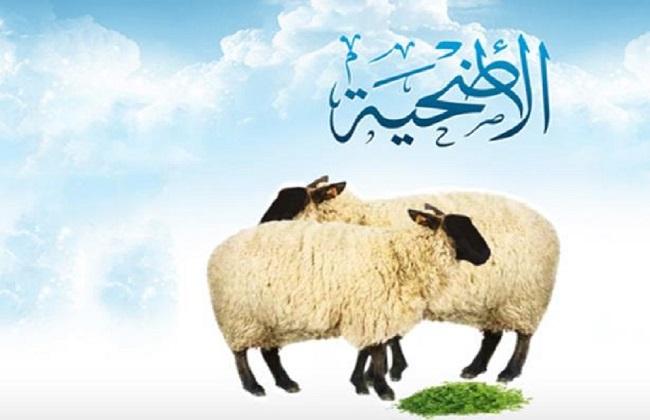
Sheep (Lambs)
- Hanafi & Hanbali: a lamb of at least 6 months
- Maliki & Shafi’i: one full year required
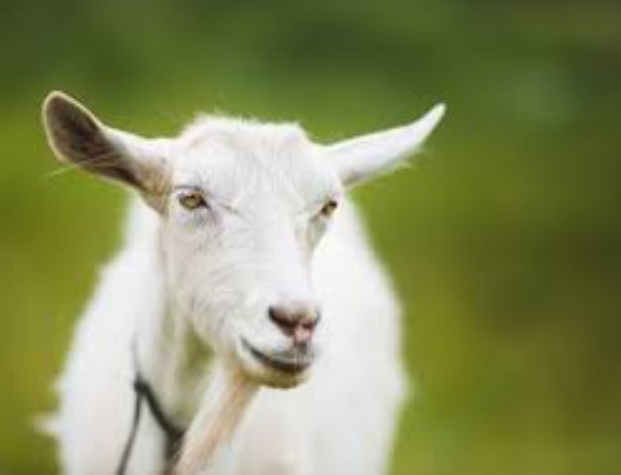
Goats
- Hanafi, Maliki & Hanbali: one year
- Shafi’i: two years
Cattle
- Hanafi, Shafi’i & Hanbali: two years
- Maliki: three years (entering the third year)
Camels
- All schools: five years, entering the sixth year
The Wisdom Behind the Age Requirement
Scholars explain that the age condition ensures:
- Full physical maturity of the animal
- Higher quality and quantity of meat
- Fulfillment of the welfare of the poor and needy
Can Meat Quantity Replace Age?
Contemporary Juristic Perspective
Some modern fatwas, including those referenced by Al-Azhar and Egypt’s Dar Al-Ifta, highlight that:
- The main objective is the benefit and abundance of meat
- Not age alone as an isolated condition
Thus, if a young animal:
- Has substantial meat
- Is well-fattened
- Achieves the intended benefit
Some contemporary opinions consider this in light of modern farming practices.
Modern Animal Farming and Development
Modern livestock techniques now:
- Produce high-weight animals at younger ages
- Reach around 350 kg within 14–16 months
- Sometimes outperform older but weaker animals
Sheep and Goat Standards in Udhiyah
Sheep
- At least 6 months (depending on school)
Goat
- One year or more in most schools
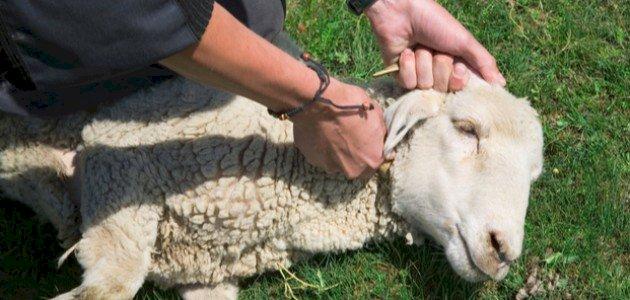
Etiquette of Sacrificial Slaughter
Recommended Practices
- Ensuring the animal is healthy
- Saying Bismillah and Takbir
- Facing the Qiblah
- Treating the animal gently
- Performing slaughter in designated areas
Common Mistakes to Avoid
- Rough handling of the animal
- Showing the blade in front of it
- Slaughtering in front of other animals
- Giving the butcher part of the meat as payment
- Leaving waste in public areas
Final Conclusion
The classical Islamic schools agree that age is a fundamental condition for a valid Udhiyah, while modern discussions emphasize the purpose of maximizing meat benefit, especially in light of advanced livestock practices.
FAQ
Is age a mandatory condition for Udhiyah?
Yes, according to the four Islamic schools of law.
Can a young but well-fed animal be used?
Some modern opinions discuss it, but age remains the standard rule.
Why is age required in Udhiyah?
To ensure maturity and sufficient meat quality.
What is the minimum age for sheep?
6 months in some schools and one year in others.
Can weight replace age in Islamic rulings?
Some contemporary views consider it, but the majority require age.

Learn about the authentic evening adhkar from the Sunnah, their virtues, recommended repetitions, and how they bring protection, peace, and blessings.

Ruqyah Shar’iyyah is one of the Islamic methods of seeking healing and protection through Quranic verses and prophetic supplications. Learn its correct method, verses, and duas.

Learn the dates of the White Days of Safar, the virtues of fasting them, why they are called the White Days, and the Islamic teachings regarding this recommended Sunnah.

Discover the complete story of Prophet David (Dawood) in Islam, including how he became both a king and a prophet, his miracles, his devotion to worship, and his remarkable life according to the Quran and authentic Sunnah.
