
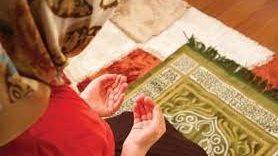

Many women wonder: How can I strive in Laylat al-Qadr while menstruating? The Egyptian Dar Al-Ifta clarifies that menstruation and postpartum bleeding prevent certain acts like prayer, reading or touching the Quran, Tawaf, sexual relations, and fasting (which must be made up later). Yet, Allah has provided alternative avenues of worship and good deeds.
Menstruating and postpartum women can observe Laylat al-Qadr through:
-
Remembrance of Allah (Dhikr), supplication (Dua), glorification (Tasbeeh), and Takbeer.
-
Sending blessings upon the Prophet ﷺ and seeking forgiveness.
-
Charity and helping others with intention of reward.
-
Praying for themselves, family, and the Muslim community.
-
Listening to the Quran, reflecting on it, or reading it with the eyes without touching the Mushaf.
-
Transforming daily household duties into acts of worship with sincere intention, such as preparing Suhoor and Iftar or assisting family members in prayer.
-
Repentance and seeking forgiveness for sins.
-
Contemplation and gratitude for Allah’s blessings.
-
Guarding the heart against backbiting and evil.
Prophetic teachings confirm that those prevented from performing an act due to a legitimate excuse are rewarded twice: once for obeying Allah in abstaining, and once as if performing the act. The recommended supplication is: “Allahumma innaka ‘Afuwwun tuhibbul-‘afwa fa’fu ‘annee.”
These practices enable menstruating and postpartum women to reap the blessings of Laylat al-Qadr while observing the limits set by Shariah.
For more details and the latest news, follow Masr Connect




