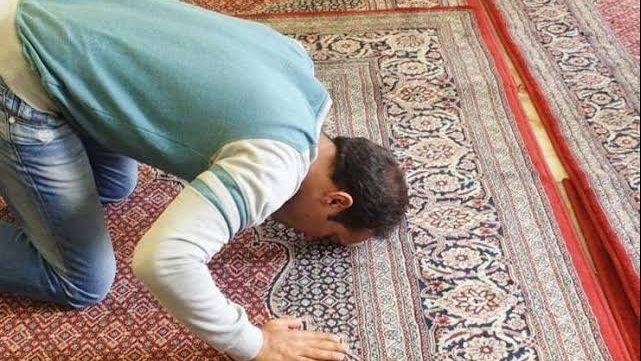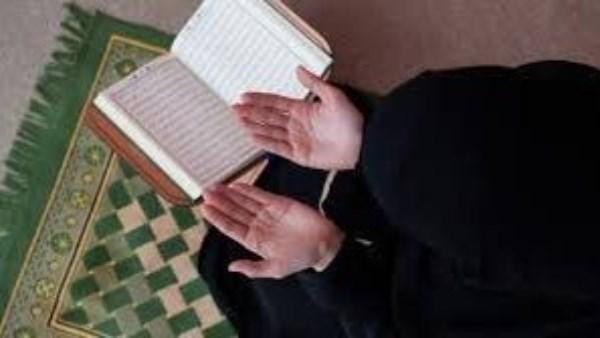

Dr. Hany Tamam, a professor of Islamic jurisprudence at Al-Azhar University, explained that khushu begins with bringing Allah’s greatness to mind and recognizing that the worshipper is standing before and addressing his or her Lord.
He emphasized that maintaining khushu requires putting worldly concerns aside during prayer and focusing on Quranic verses, glorification, supplications, and other words being recited.
What Helps a Muslim Achieve Khushu in Prayer?
One of the most important ways to develop khushu is to remember Allah’s greatness and recognize the significance of standing before Him.
Prayer should not be limited to physical movements and spoken words. The heart and mind should also be engaged in the worship.
Reflecting on Quranic verses, understanding the meanings of supplications and glorification, and remembering Allah’s blessings can all help strengthen concentration and presence of heart.
Dr. Hany Tamam also described khushu in prayer as a form of success and explained that a lack of khushu may result from insufficient reflection and presence of heart during worship.
Is Khushu Only About What the Worshipper Says?
Khushu is not limited to reciting Quranic verses and supplications with the tongue. It also involves understanding and reflecting on their meanings.
The more a worshipper reflects on what is being recited, remembers Allah’s blessings, and recognizes His greatness, the more likely the heart is to remain present during prayer.
What Does Islam Say About Having a Present Heart in Prayer?
The hadith cited in the supplied material explains that a person who performs ablution properly and then prays two units without allowing the mind to become occupied with other matters, approaching the prayer with heart and face, receives forgiveness for previous sins.
The meaning emphasizes the importance of entering prayer with a present heart rather than allowing worldly concerns to dominate the mind.
How Can I Stop Thinking About Worldly Matters During Prayer?
A Muslim can prepare mentally before beginning prayer by remembering that he or she is standing before Allah.
During prayer, focusing on the meanings of the Quranic verses, supplications, and glorifications being recited can help reduce distraction and improve concentration.
Prayer can therefore become an opportunity for reflection and worship rather than merely a sequence of physical movements.
Is It Permissible to Interrupt an Obligatory Prayer to Save a Child?
The second question addressed a situation in which a person was performing an obligatory prayer at home while a young child was playing nearby. The child then began playing with electricity, creating a fear of possible harm, so the person interrupted the prayer to prevent the danger.
The ruling presented in the material states that the basic rule is that an obligatory prayer should not be interrupted after it has begun without a valid excuse. However, when there is a legitimate reason involving the protection of life and prevention of serious harm, the ruling can change according to the circumstances.
When Can an Obligatory Prayer Be Interrupted?
The juristic examples cited in the material indicate that interrupting an obligatory prayer can be permissible, recommended, or obligatory depending on the nature and urgency of the situation.
Examples include protecting oneself or a child from serious danger, rescuing someone from drowning, putting out a dangerous fire, preventing someone from falling into a hazardous place, and responding to an urgent situation in which immediate intervention is necessary.
Does Saving a Child Take Priority Over Completing Prayer?
When a child faces a genuine and immediate danger that cannot be prevented without immediate intervention, the supplied ruling states that saving the child takes priority.
After the danger has been removed, the prayer should be performed if its time remains, or made up if its prescribed time has ended.
The reasoning is based on weighing competing interests: saving a life can be accomplished first, followed by performing the prayer, while the consequences of failing to prevent serious harm may not be reversible.
What Situations May Justify Interrupting Prayer Because of Danger?
The material discusses several examples, including:
- Protecting a child from an immediate and serious danger.
- Rescuing someone from drowning.
- Extinguishing a fire that threatens people or property.
- Preventing someone from falling into a dangerous place.
- Helping someone who urgently needs rescue.
- Responding to an immediate danger that cannot safely be postponed until after prayer.
The degree of the ruling depends on the nature and urgency of the danger. In some cases interruption may be permissible or recommended, while in cases involving the imminent loss of life it may become obligatory.
What Should Someone Do After Interrupting Prayer to Save a Child?
If a worshipper has to interrupt prayer because a child faces a genuine danger, the danger should first be removed. The prayer is then performed again according to the circumstances and the remaining prayer time.
According to the material, there is no sin in interrupting the prayer when intervention to save the child is obligatory, because protecting life and preventing serious harm takes priority in such a situation.
How can I attain khushu in prayer?
By remembering Allah’s greatness, maintaining a present heart, reflecting on Quranic verses and supplications, and avoiding worldly distractions.
Is khushu limited to reciting Quran?
No. It also involves understanding and reflecting on what is being recited and remembering Allah’s blessings and greatness.
Can an obligatory prayer be interrupted to save a child?
If the child faces an immediate and serious danger that requires immediate intervention, saving the child takes priority according to the ruling presented in the material.
Should the prayer be repeated after being interrupted to save someone?
Yes. The prayer should be performed after the danger has been addressed, or made up if its prescribed time has ended.
Does every danger justify interrupting prayer?
Not necessarily. The ruling depends on the seriousness and urgency of the danger and whether it can be safely addressed without interrupting the prayer.