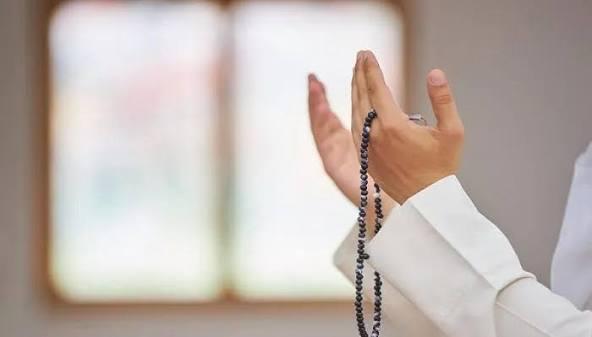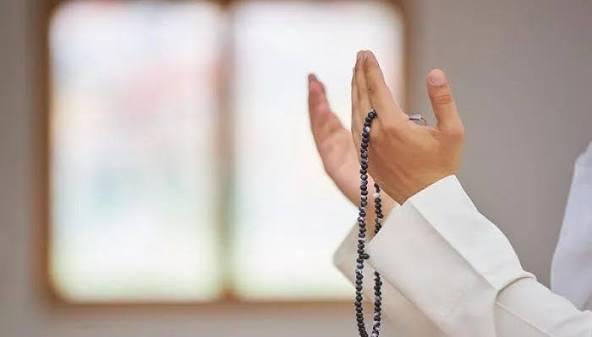

Daily responsibilities, pressures, and constant distractions can make people neglect the remembrance of Allah, even though dhikr is one of the greatest acts of worship for strengthening faith and bringing peace to the heart.
Allah says in the Quran: “When you have completed the prayer, remember Allah while standing, sitting, and lying on your sides.” [Quran 4:103]
Maintaining dhikr does not necessarily require a long amount of time. What matters most is consistency and making remembrance a regular part of everyday life.
How Can You Maintain the Remembrance of Allah?
There are three practical steps that can help Muslims remain consistent with dhikr despite their busy schedules.
1. Maintain the Five Daily Prayers
The first step is to observe the five daily prayers on time. Obligatory acts of worship are among the greatest ways a servant draws closer to Allah.
Prayer also provides repeated opportunities throughout the day to step away from worldly distractions and reconnect with Allah.
2. Keep the Morning and Evening Adhkar
Morning and evening adhkar help keep the heart connected to Allah throughout the day.
A Muslim can dedicate a few minutes to established supplications and remembrance, including Ayat al-Kursi, the two protective surahs, the final verses of Surat Al-Baqarah, seeking forgiveness, and sending blessings upon Prophet Muhammad ﷺ.
The key is not simply the amount of remembrance, but consistency.
3. Establish a Fixed Daily Quran Reading
Another practical way to maintain remembrance is to establish a daily Quran reading routine at a fixed time.
The daily portion does not have to be long. A few verses or one page can be a good starting point, provided that the person remains consistent.
Benefits of Maintaining Dhikr
Regular remembrance has many spiritual benefits and strengthens a Muslim’s connection with Allah.
Among its important benefits are:
- Greater inner peace and tranquility.
- Help in dealing with fear, anxiety, and stress.
- Relief from sadness and worldly worries.
- Increased reward through consistent good deeds.
- A stronger relationship with Allah.
- Greater hope in Allah’s mercy.
- Making worship a stable part of everyday life.
Allah says: “Surely in the remembrance of Allah do hearts find rest.” [Quran 13:28]
Ali Gomaa’s Advice on Maintaining Dhikr
Dr. Ali Gomaa, former Grand Mufti of Egypt, emphasized the importance of consistency in remembrance, even when the amount is small.
He highlighted the meaning of the Prophetic teaching: “The most beloved deeds to Allah are those that are consistent, even if they are few.”
The idea is that a person should not wait for a large amount of free time before remembering Allah. Instead, a few minutes of daily remembrance can become a permanent part of the routine.
How Can Dhikr Become a Daily Habit?
According to Ali Gomaa’s advice, continuing dhikr for several consecutive days can help transform it from an occasional practice into an established daily habit.
Over time, remembrance becomes something the person naturally looks forward to rather than something easily forgotten.
Bring Dhikr Into Everyday Activities
Ali Gomaa also explained that remembrance should not be limited to a specific time reserved for adhkar.
A Muslim can remember Allah throughout ordinary activities, such as saying “Bismillah” before eating and praising Allah afterward.
There are also supplications associated with different daily situations, including entering and leaving the mosque and seeking forgiveness after leaving the restroom.
These short words keep remembrance present throughout the day and help reduce forgetfulness and heedlessness.
How Can I Stop Forgetting Dhikr?
One practical approach is to connect remembrance with fixed moments of the day, such as after Fajr, after the obligatory prayers, in the morning and evening, and before sleep.
Starting with a small amount and maintaining it consistently can also make the habit easier to establish.
The central principle is consistency rather than quantity.
Conclusion
Maintaining remembrance of Allah does not require hours of free time. It requires commitment, organization, and consistency.
A Muslim can begin by observing the five daily prayers, maintaining morning and evening adhkar, and establishing a fixed Quran reading routine.
Ali Gomaa’s advice emphasizes an important principle: even a small amount of remembrance can become a lasting part of daily life when practiced consistently.
What is the best way to maintain dhikr?
Start with a simple daily routine and remain consistent with morning and evening adhkar.
Is consistent, small dhikr beneficial?
Yes. Consistency in good deeds is strongly encouraged in the Prophetic tradition, even when the amount is small.
How can I make dhikr part of my daily routine?
Connect remembrance to fixed times such as morning, evening, after prayer, and before sleep.
What are the benefits of dhikr?
Dhikr can strengthen one’s connection with Allah, bring tranquility to the heart, and help a person cope with worry and anxiety.