
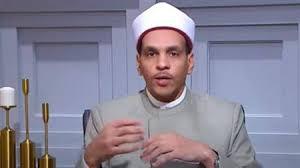

Sheikh Mohamed Kamal, Fatwa Official at the Egyptian Dar Al-Ifta, emphasized the importance of performing prayers on time, citing the Prophet ﷺ: “Which deeds are most loved by Allah?” He said: “Prayer at its appointed time.”
He explained that keeping prayers on time does not hinder work, but rather helps with discipline and time management. Prayer instills a sense of order and respect for daily schedules.
Making up missed prayers:
For those who miss prayers due to sleep or work, it is obligatory to perform them later. As the Prophet ﷺ said: “Whoever sleeps or forgets a prayer, let him pray it when he remembers; there is no expiation for it except that.” Prayers can be paired with the corresponding time for convenience.
Reward of Umrah with sincere intention:
Sheikh Kamal addressed those unable to perform Umrah due to financial constraints, assuring that Allah records the full reward for sincere intention, citing the hadith: “Actions are but by intentions.” He also noted that sitting after Fajr prayer, remembering Allah until sunrise, and performing two rak’ahs grants the reward of Hajj and Umrah.
Practical tips to maintain prayers:
-
Allocate specific times for prayer at work or home.
-
Use free moments after Fajr or before Maghrib for dhikr and supplication.
-
Consistently pray for steadfastness and assistance from Allah.
-
Recognize the spiritual benefit of prayer: peace of heart, tranquility, and sweetness of faith.




