How to Make Dua in Sujood? Authentic Supplications and What to Say

Learn how to make dua during sujood, what to say before supplication, and the most authentic duas reported from the Prophet Muhammad ﷺ
  Thu , August 13 2026 / 09:08 PM Updated At: 2026-08-13 21:08:52

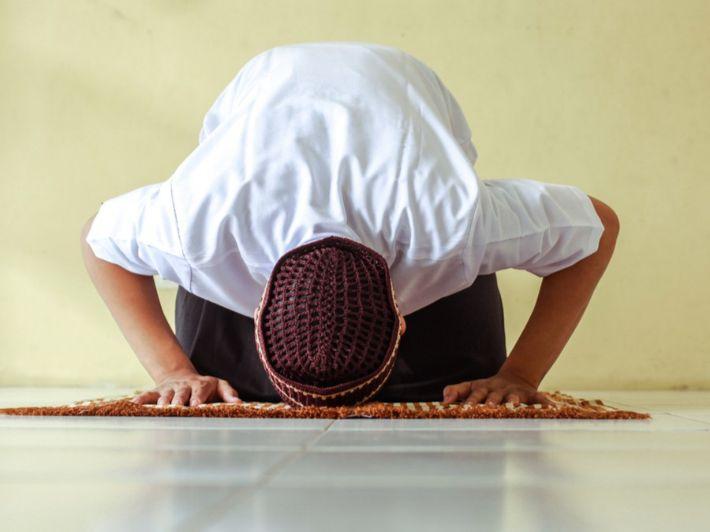
Sujood is one of the greatest moments of closeness between a Muslim and Allah. The Prophet Muhammad ﷺ encouraged Muslims to make plenty of supplication while prostrating, allowing the worshipper to ask Allah for what is good in this life and the Hereafter.

How Should You Make Dua During Sujood?

The worshipper begins by glorifying Allah while prostrating, saying:

“Subhana Rabbiyal-A'la”
(Glory be to my Lord, the Most High)

This may be said three times or more, followed by supplication.

The Prophet ﷺ said:

“The closest that a servant is to his Lord is while he is prostrating, so increase your supplications.”

The dua should be made quietly, whether the prayer is obligatory or voluntary.

Can You Ask Allah for Your Personal Needs?

Yes. A Muslim may ask Allah for whatever is good and permissible in this life and the Hereafter, including forgiveness, mercy, guidance, health, provision, and relief from difficulties.

It is also recommended to use supplications reported from the Prophet ﷺ because they contain comprehensive and meaningful requests.

Authentic Supplications to Say in Sujood

Dua for Forgiveness

Among the supplications reported in the Sunnah is:

“Subhanaka Allahumma Rabbana wa bihamdik, Allahummaghfir li.”

Meaning:

“Glory be to You, O Allah, our Lord, and praise be to You. O Allah, forgive me.”

A Comprehensive Dua for Forgiveness

The worshipper may also say:

“Allahummaghfir li dhanbi kullahu, diqqahu wa jillahu, wa awwalahu wa akhirahu, wa ‘alaniyatahu wa sirrahu.”

Meaning:

“O Allah, forgive all my sins, the small and the great, the first and the last, the apparent and the hidden.”

Seeking Refuge in Allah’s Pleasure

Another authentic supplication is:

“Allahumma a'udhu biridaka min sakhatika, wa bimu'afatika min 'uqubatika, wa a'udhu bika minka, la uhsi thana'an 'alayka, anta kama athnayta 'ala nafsik.”

Meaning:

“O Allah, I seek refuge in Your pleasure from Your anger, and in Your forgiveness from Your punishment. I seek refuge in You from You. I cannot enumerate Your praises; You are as You have praised Yourself.”

Dua of Submission During Sujood

The Prophet ﷺ also used to say:

“Allahumma laka sajadtu, wa bika amantu, wa laka aslamtu, sajada wajhi lilladhi khalaqahu wa sawwarahu, wa shaqqa sam'ahu wa basarahu, tabarakallahu ahsanul-khaliqin.”

Meaning:

“O Allah, to You I have prostrated, in You I have believed, and to You I have submitted. My face has prostrated to the One who created and fashioned it and gave it hearing and sight. Blessed is Allah, the Best of creators.”

Should You Raise Your Hands During Dua in Sujood?

The hands are not raised during supplication in sujood. Instead, the worshipper remains in the prescribed position of prostration and makes dua while maintaining humility and concentration.

Can You Make Dua in Both Obligatory and Voluntary Prayers?

Yes. Supplication during sujood is permissible in both obligatory and voluntary prayers.

A Muslim can take advantage of this special moment to ask Allah for forgiveness, mercy, guidance, and whatever lawful needs they have.

What Is the Best Way to Make Dua in Sujood?

The worshipper can begin by glorifying Allah, then make one of the authentic supplications reported from the Prophet ﷺ, followed by asking Allah for their personal needs.

The most important element is sincerity and humility, while remembering Allah’s greatness and the special closeness experienced during sujood.

What should I say in sujood before making dua?

You can say “Subhana Rabbiyal-A'la” three times or more, then make a permissible supplication.

Can I ask Allah for worldly matters during sujood?

Yes. You may ask Allah for anything good and permissible in this life and the Hereafter.

Should I raise my hands during dua in sujood?

No. The hands remain in the normal position of prostration.

Can I make dua during obligatory prayers?

Yes. Dua during sujood is permissible in both obligatory and voluntary prayers.

Why is sujood considered a special time for dua?

Because the Prophet ﷺ described sujood as the moment when the servant is closest to his Lord and encouraged Muslims to increase their supplications.

Aug 13
 الخروج من البيت

Learn the authentic dua for leaving home, including the supplication for relying on Allah and seeking protection from misguidance, injustice, and wrongdoing.
Aug 13
العبادة

Learn how to welcome Rabi’ al-Awwal by renewing love for Prophet Muhammad ﷺ, following his character, reading his biography, and sending prayers upon him
Aug 13
القران الكريم

As Rabi’ al-Awwal begins, Muslims reflect on the Prophet Muhammad’s ﷺ life and character, recommended acts, fasting on the day of his birth, and special supplications

Aug 13
مسجد

Egypt’s Awqaf Ministry will open 14 mosques on Friday, August 14, 2026, as part of its ongoing efforts to build, renovate, maintain, and develop mosques across the country