How to Perform the Prayer of Repentance and Its Rak’ahs for Forgiveness
Learn how to perform the Prayer of Repentance, its rak’ahs, and the best times to pray it, along with supplications for forgiveness and starting anew with Allah.
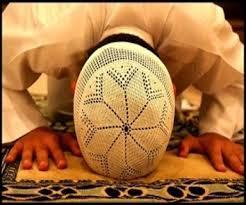
The Prayer of Repentance is a spiritual act for Muslims to return to Allah and seek forgiveness for sins. The Prophet ﷺ said:
"No one commits a sin, then purifies himself, prays, and asks Allah for forgiveness, except that Allah forgives him" [Al-Tirmidhi].
Number of Rak’ahs: Two, performed individually. It is recommended to seek forgiveness after the prayer and to increase righteous deeds. Any verses from the Qur’an may be recited, with sincere devotion and humility.
Best Times to Pray: It can be prayed at any time, except during the moment of the soul leaving the body (Al-Ghargharah) or at sunset. It is recommended to repent while in good health.
Conditions for Accepted Repentance:
Sincerity of intention to Allah alone.
Ceasing the sin and feeling remorse.
Determination not to return to the sin.
Returning rights to others if the sin involved their rights.
Repenting before death or Al-Ghargharah.
Supplications After Prayer:
O Allah, forgive my past and future sins, my hidden and open faults.
O Allah, make this repentance a means for forgiveness and acceptance of good deeds.
O Allah, guide me to continue righteous acts and avoid sins.
Repentance is always open to anyone who seeks Allah, for He is Most Forgiving and Most Merciful. As stated in the Qur’an:
"All human beings are prone to sin, and the best of sinners are those who repent" [Hadith].

Sheikh Mohamed Kamal of Egypt's Dar Al-Ifta explains the conditions, rules, and invalidations of wiping over socks and leather footwear during ablution.
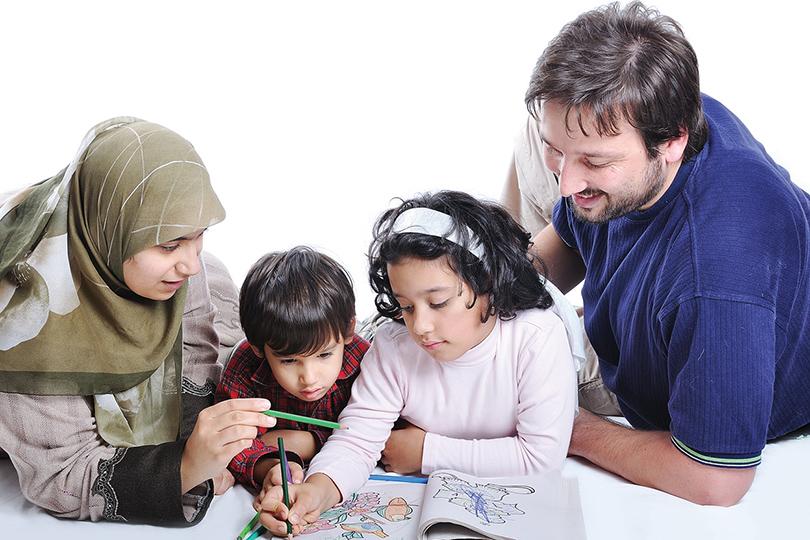
Al-Azhar Global Center for Fatwa highlights 7 key behaviors to strengthen family ties, from compassion and kindness to positive encouragement, fostering a stable family environment.
Sheikh Mohamed Kamal explains that looking at the place of prostration is a recommended Sunnah, while raising the eyes upward does not invalidate the prayer.
As 2026 begins, Sheikh Khaled El Gendy delivers a heartfelt spiritual message, offering prayers of peace, contentment, and reconciliation with God and oneself.
