
How to Pray Qiyam Al-Layl in Detail: Steps, Virtues, and Best Supplications
Qiyam Al-Layl is one of the greatest acts of worship through which a Muslim draws closer to Allah Almighty. It is a blessed prayer performed during the peaceful hours of the night, offering believers an opportunity for private devotion through prayer, remembrance, Quran recitation, and supplication. Many people ask: How is Qiyam Al-Layl performed in detail? What is the number of rak‘ahs? What is the best time to pray it? Below is a complete explanation of how to perform the night prayer according to the Sunnah of Prophet Muhammad ﷺ.
When Is the Time for Qiyam Al-Layl?
The time for Qiyam Al-Layl begins after the Isha prayer and continues until dawn. The last third of the night is considered one of the best times to perform it, as it is a time of peace and tranquility when a Muslim can focus on worship, supplication, and seeking forgiveness. A Muslim does not have to sleep before performing Qiyam Al-Layl. Any voluntary prayer performed during the night after Isha until Fajr is considered part of night worship.
Preparing for Qiyam Al-Layl
Intention and Purification
A Muslim makes the intention in the heart to perform Qiyam Al-Layl, and there is no requirement to verbally state the intention, as the place of intention is the heart. Then the person performs ablution, faces the Qiblah, and prepares for prayer with humility and tranquility.
How to Pray Qiyam Al-Layl Step by Step
Praying Two Rak‘ahs at a Time
Qiyam Al-Layl is performed two rak‘ahs at a time. The worshipper prays two rak‘ahs and ends with salam, then stands to pray another two rak‘ahs, continuing according to their ability. The Prophet ﷺ said: “The night prayer is two by two.” This means that the night prayer is performed in pairs of two rak‘ahs.
Recitation During Qiyam Al-Layl
In each rak‘ah, the Muslim recites Surah Al-Fatihah followed by whatever portion of the Quran is easy for them. There is no specific amount required for recitation. Some Muslims may recite longer portions, while others recite shorter passages. The best prayer is the one performed with sincerity and presence of heart.
Humility and Lengthening Bowing and Prostration
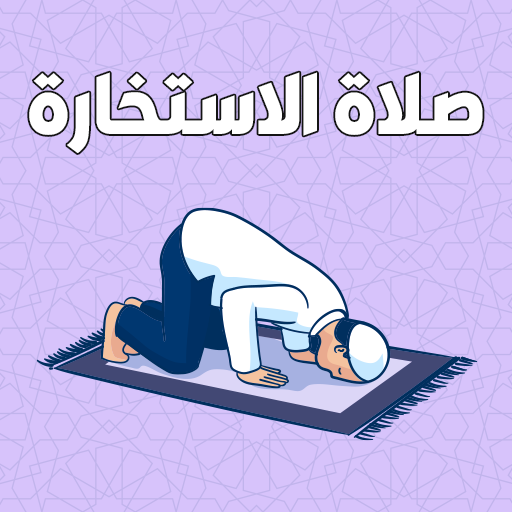
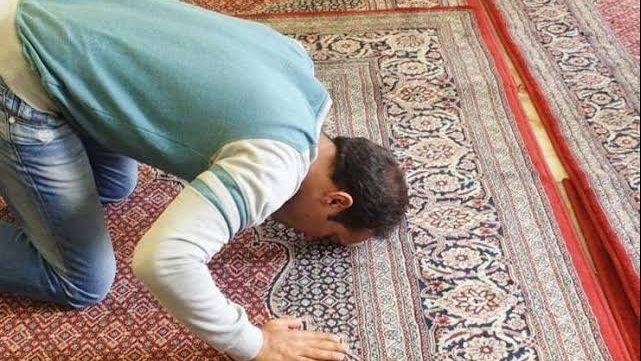
One of the recommended practices in Qiyam Al-Layl is not to rush, but to pray with calmness, reflection, and extended bowing and prostration, as these moments are among the closest times a servant is to Allah.
Number of Rak‘ahs in Qiyam Al-Layl
There is no maximum limit for the number of rak‘ahs in Qiyam Al-Layl. A Muslim may pray according to their ability and energy. The Prophet ﷺ commonly prayed eleven rak‘ahs or thirteen rak‘ahs at night and ended his prayer with Witr. A Muslim may also pray fewer rak‘ahs according to their ability, as consistency and sincerity are what matter most.
How to Pray Witr After Qiyam Al-Layl
It is recommended to end the night prayer with Witr, which is a confirmed Sunnah. Witr can be performed as: One rak‘ah. Three rak‘ahs. Or more according to what has been reported in the Sunnah. It is recommended that Witr be the final prayer of the night.
Best Supplications During Qiyam Al-Layl
A Muslim is encouraged to increase supplication during Qiyam Al-Layl, especially while prostrating. The Prophet ﷺ said: “The closest a servant is to his Lord is when he is prostrating, so increase your supplications.” Among the recommended supplications: “O Allah, You are Most Forgiving, and You love forgiveness, so forgive me.” A Muslim may also ask Allah for anything beneficial in this life and the Hereafter, including forgiveness, provision, relief from difficulties, and peace of heart.
The Opening Supplication of the Night Prayer
Among the reported supplications is: “O Allah, all praise belongs to You. You are the Light of the heavens and the earth and all that is within them…” This is one of the supplications reported as being used by the Prophet ﷺ when beginning the night prayer.
The Virtue of Qiyam Al-Layl
Qiyam Al-Layl has great virtues. It brings a servant closer to Allah, strengthens faith, provides comfort for the heart, and offers a blessed time for supplication and seeking forgiveness. Allah Almighty praised those who stand in prayer at night: “They used to sleep but little of the night, and in the hours before dawn they would ask forgiveness.” FAQ
When does the time for Qiyam Al-Layl begin?
It begins after Isha prayer and continues until Fajr. The last third of the night is considered the best time.
How many rak‘ahs are there in Qiyam Al-Layl?
There is no fixed number. It is prayed two rak‘ahs at a time according to the person’s ability, and it is ended with Witr.
Is sleeping before Qiyam Al-Layl required?
No. It can be performed after Isha directly, but if a person sleeps and then wakes to pray, it is called Tahajjud.
What is the best supplication during Qiyam Al-Layl?
It is recommended to make abundant supplication during prostration, including: “O Allah, You are Most Forgiving, and You love forgiveness, so forgive me.”
Is Witr prayer required after Qiyam Al-Layl?
Witr is a confirmed Sunnah, and it is recommended to make it the final prayer of the night.