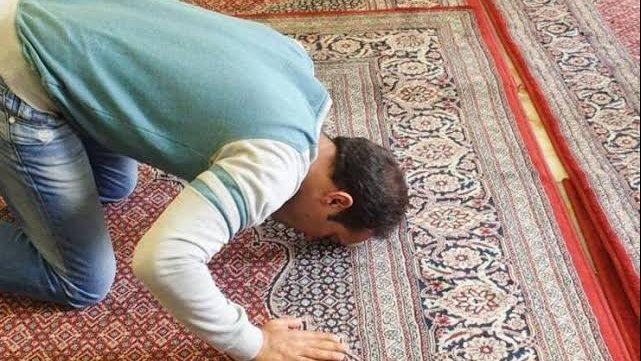

Qiyam al-Layl, or the night prayer, is one of the great voluntary acts of worship through which Muslims draw closer to Allah.
Its time begins after the Isha prayer and continues until dawn.
The Quran praises those who devote part of the night to worship, while the Prophet Muhammad, peace and blessings be upon him, said: “The best prayer after the obligatory prayers is the night prayer.”
Qiyam al-Layl does not have to be lengthy or involve a large number of rak‘ahs. A Muslim may pray according to his or her ability while seeking sincerity, concentration and consistency.
How Many Rak‘ahs Is Qiyam al-Layl?
There is no single mandatory number of rak‘ahs for Qiyam al-Layl.
The Prophet, peace and blessings be upon him, taught that the night prayer is performed two rak‘ahs at a time. A person may therefore pray two rak‘ahs, four, six, eight or more, according to their ability.
The Prophet commonly prayed eleven rak‘ahs and was also reported to have prayed thirteen, but these numbers do not constitute a compulsory limit for Muslims.
Are Two Rak‘ahs Enough for Qiyam al-Layl?
Yes. A Muslim may perform Qiyam al-Layl with two rak‘ahs.
A person should not abandon the practice simply because they cannot pray for a long time. Consistency and sincerity are important aspects of voluntary worship.
How to Pray Qiyam al-Layl Step by Step
The prayer begins with the intention in the heart. There is no need to verbally pronounce the intention.
The worshipper then prays two rak‘ahs in the same general manner as other voluntary prayers and repeats them according to their ability.
Steps for Each Two Rak‘ahs
-
Make the intention to pray Qiyam al-Layl.
-
Begin with Takbirat al-Ihram.
-
Recite Al-Fatihah.
-
Recite whatever portion of the Quran is easy.
-
Perform ruku‘ with tranquility.
-
Rise from ruku‘.
-
Perform the first prostration.
-
Sit between the two prostrations.
-
Perform the second prostration.
-
Stand for the second rak‘ah and repeat the prayer.
-
Complete the tashahhud and conclude with salam.
The worshipper may then continue praying two rak‘ahs at a time until completing the desired amount.
What Should You Recite During Qiyam al-Layl?
There are no specific surahs that must be recited during Qiyam al-Layl.
A Muslim may recite whatever portion of the Quran is easy, whether the passage is long or short.
Someone accustomed to lengthy recitation may read longer chapters and passages, while a beginner may recite shorter surahs.
The essential goal is not simply the length of the recitation but reflection, humility and attentiveness during worship.
What Is the Best Time to Pray Qiyam al-Layl?
The time for Qiyam al-Layl begins after Isha and continues until Fajr.
It can be performed at the beginning, middle or end of the night depending on the person’s circumstances.
Qiyam al-Layl During the Last Third of the Night
The last third of the night is among the most virtuous times for supplication and seeking forgiveness.
Those who are able to wake during this period have an opportunity to combine night prayer with a particularly quiet time for remembrance and supplication.
Can You Pray Qiyam al-Layl Before Sleeping?
Yes. Someone who fears that they will not wake during the latter part of the night may pray before going to sleep and perform Witr.
A person who expects to wake up later may delay Witr until the end of their night prayer.
What Should You Say During Qiyam al-Layl?
There is no single supplication that must be recited throughout the night prayer.
A Muslim may ask Allah for forgiveness, guidance, mercy, provision, good health, relief from difficulties and every lawful form of goodness.
Among the Prophetic supplications reported for the night prayer is:
“O Allah, to You belongs all praise. You are the Light of the heavens and the earth and everyone in them. To You belongs all praise. You are the Sustainer of the heavens and the earth and everyone in them...”
The worshipper may also make abundant supplication during prostration. The Prophet, peace and blessings be upon him, said: “The closest a servant is to his Lord is while prostrating, so increase your supplication.”
Supplications You Can Make
A Muslim may ask Allah for whatever lawful goodness they need, including:
-
O Allah, forgive me, have mercy on me, guide me and grant me well-being.
-
O Allah, help me remember You, thank You and worship You well.
-
O Allah, keep my heart firm upon Your religion.
-
O Allah, grant me goodness in this world and the Hereafter.
-
O Allah, fulfill my needs and make my affairs easy.
The believer may make any appropriate supplication without being restricted to one particular formula.
How to Pray Witr After Qiyam al-Layl
It is recommended to conclude the night prayer with Witr.
The Prophet, peace and blessings be upon him, said: “Make the last of your prayer at night Witr.”
Witr may be performed as one rak‘ah, and it may also be performed as three rak‘ahs, according to the established forms recognized by scholars.
Someone who prays Qiyam al-Layl two rak‘ahs at a time may conclude with one final rak‘ah of Witr.
What Is the Qunut Supplication in Witr?
One of the well-known supplications used for Qunut includes:
“O Allah, guide me among those You have guided, grant me well-being among those You have granted well-being, take care of me among those You have taken care of, and bless me in what You have given...”
The worshipper is not restricted to this supplication and may also ask Allah for other forms of goodness.
What Is the Difference Between Qiyam al-Layl, Tahajjud and Tarawih?
These forms of worship are closely related but are not completely identical terms.
Qiyam al-Layl broadly refers to worship during the night after Isha and before Fajr, particularly night prayer.
Tahajjud generally refers to night prayer performed after sleeping, making it a form of Qiyam al-Layl.
Tarawih refers specifically to the night prayer performed during Ramadan.
Therefore, Tahajjud is a form of Qiyam al-Layl, while Tarawih is part of the night worship of Ramadan.
The Virtue of Qiyam al-Layl
Qiyam al-Layl is strongly encouraged in the Quran and Sunnah.
Allah describes the believers who leave their beds to call upon Him, saying: “Their sides forsake their beds; they call upon their Lord in fear and hope.”
Night prayer is also a private act of worship that brings together recitation, prayer, remembrance and supplication.
The quietness of the night gives the believer an opportunity to step away from daily distractions and devote time to reflection and communication with Allah.
The Prophet, peace and blessings be upon him, also encouraged Muslims to maintain night prayer as a practice of the righteous.
Qiyam al-Layl for Women
Qiyam al-Layl is prescribed for women just as it is for men, and a woman receives the reward of her worship when she performs it sincerely.
A woman may perform the night prayer at home, which is preferable for voluntary prayers in general.
She is not required to pray a specific number of rak‘ahs and may pray two or more according to her ability and circumstances.
A Simple Practical Routine for Qiyam al-Layl
Anyone wishing to begin Qiyam al-Layl can follow a simple routine:
-
Perform wudu and make the intention.
-
Pray two rak‘ahs.
-
Recite whatever portion of the Quran is manageable.
-
Spend extra time in prostration making supplication.
-
Continue praying two rak‘ahs at a time according to your ability.
-
Conclude the night prayer with Witr.
-
Maintain the practice even if you can only pray a small number of rak‘ahs.
The purpose of Qiyam al-Layl is not simply to increase the number of rak‘ahs, but to cultivate sincere worship, humility, remembrance and closeness to Allah.
When does Qiyam al-Layl begin?
Its time begins after the Isha prayer and continues until the beginning of Fajr.
How many rak‘ahs are enough for Qiyam al-Layl?
Two rak‘ahs are sufficient, and a Muslim may pray more according to their ability.
Are specific surahs required during Qiyam al-Layl?
No. The worshipper may recite whatever portion of the Quran is easy.
What is the best time for Qiyam al-Layl?
The last third of the night is among the most virtuous times, especially for those able to wake during it.
Should Qiyam al-Layl end with Witr?
It is recommended to conclude the night prayer with Witr, which is a strongly emphasized Sunnah according to the majority of scholars.