How to Preserve the Reward of Hajj and Avoid Losing It
Hajj is not just a journey—it’s a transformation. Learn how to protect its reward and avoid actions that may nullify it.
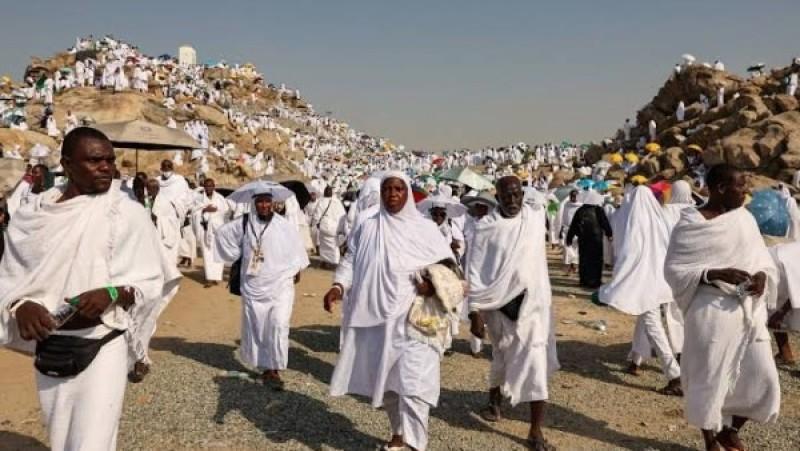
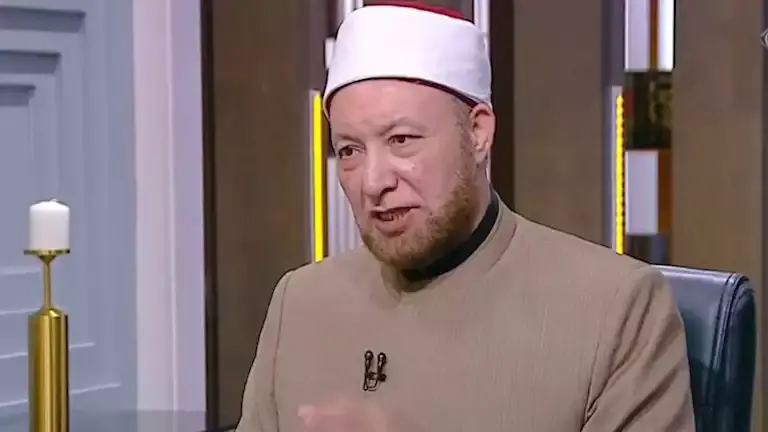
Dr. Hany Tammam, Assistant Professor of Islamic Jurisprudence at Al-Azhar University, emphasized that preserving the reward of Hajj is just as important as performing the rituals themselves.
He explained that the Qur’an outlines a clear moral framework for pilgrims, urging them to avoid three key actions: indecent speech (rafath), disobedience (fusuq), and argumentation (jidal), all of which can diminish or even nullify the reward.
He noted that while past generations were tested through physical temptations—such as nearby game they were forbidden to hunt—today’s challenge lies in self-control, patience, and avoiding unnecessary disputes.
Hajj, he stressed, is a spiritual training ground where individuals learn discipline, humility, and respect for others, making it essential to maintain these values even after returning home.
In conclusion, preserving the reward of Hajj depends on continuing righteous deeds and avoiding actions that undermine its spiritual impact, ensuring that the journey leaves a lasting mark on one’s life.
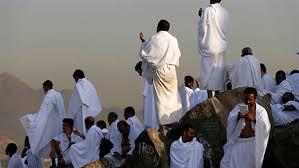
As Hajj 2026 approaches, Muslims increasingly search for a detailed guide to Hajj rituals, beginning with Ihram and continuing through sacred rites that culminate in the Farewell Tawaf, a spiritual journey of a lifetime.
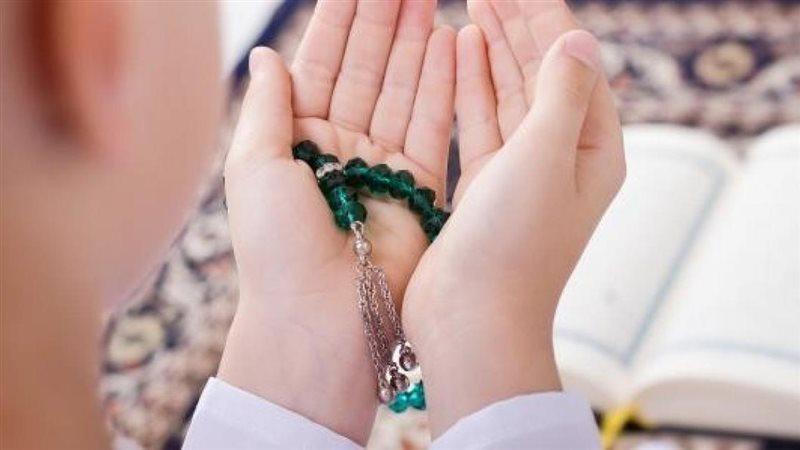
A collection of powerful Islamic prayers for fulfilling needs and increasing sustenance, along with the virtue of supplication and trust in God.

A key Islamic clarification on whether a father can allocate all his wealth to his daughters during his lifetime and how it affects inheritance laws.
A clear Islamic explanation regarding whether prayers can be performed for someone who neglected them in life, and what deeds benefit the deceased.
