
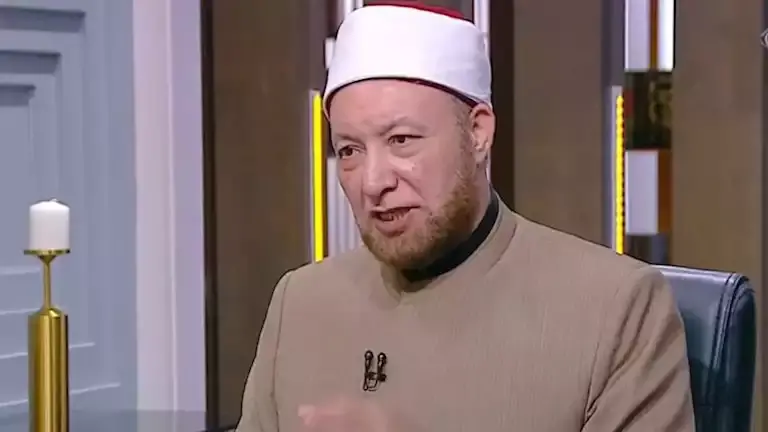

After the blessed month of Ramadan ends, many Muslims wonder how to maintain their spiritual momentum and continue acts of worship throughout the rest of the year.
Religious scholars emphasize that consistency begins with a deep understanding of servitude to God, where obedience to divine commands and avoidance of prohibitions form the foundation of a believer’s life, not just seasonal devotion.
They also highlight that the heart plays a central role in sustaining good deeds, as awareness of God’s rights and dedication to fulfilling them naturally leads to righteous behavior and long-term spiritual stability.
Islamic teachings further explain that obligatory acts are the most beloved to God, followed by voluntary deeds that strengthen faith and help maintain consistency beyond Ramadan.
In addition, scholars mention signs of accepted worship, including continued righteousness after Ramadan and a softened heart, while warning that disputes and enmity between people may hinder acceptance and mercy.
They stress the importance of forgiveness and reconciliation, noting that restoring rights should be handled through judicial systems rather than personal conflict, in order to preserve justice and social balance.
Ultimately, steadfastness in worship is achieved through sincerity, persistence in good deeds—even if small—and maintaining a continuous connection with God.
For more details and the latest news, follow Masr Connect




