Who Should Not Receive Zakat: Understanding the True Recipients and How to Give It Properly
Zakat is one of the pillars of Islam, but not everyone is eligible to receive it. Islamic law defines eight specific categories of recipients, ensuring zakat reaches those who truly deserve it.
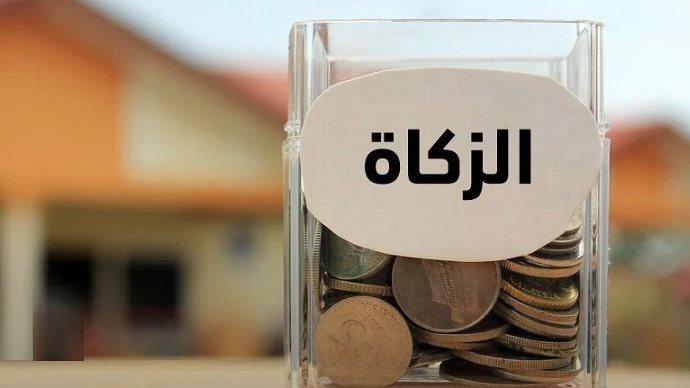

According to Egypt Connect, Islamic teachings clearly state that zakat must not be given to certain relatives such as parents, grandparents, children, or grandchildren, as their financial support is already obligatory. It is also forbidden to give zakat to the Prophet’s family (Banu Hashim) or their allies, and to non-Muslims except those whose hearts are to be reconciled to Islam.
Wealthy individuals are not eligible for zakat, which is reserved for the poor and needy. Similarly, one cannot give zakat to those whose expenses are already one’s responsibility, such as a spouse or dependent children.
The Qur’an specifies eight legitimate categories of zakat recipients: the poor, the needy, those employed to collect it, those whose hearts are to be reconciled, captives seeking freedom, debtors, those striving in God’s path, and stranded travelers.
Zakat becomes due when one’s wealth reaches the minimum threshold (equivalent to 85 grams of gold) and remains for a full lunar year. The payable amount is 2.5% of the total wealth.
Egypt Connect emphasizes that zakat purifies wealth, strengthens faith, and promotes compassion and social solidarity. Understanding who truly deserves zakat ensures that this sacred duty fulfills its purpose of justice and mercy.
Discover the complete evening adhkar from the Quran and Sunnah, including Ayat Al-Kursi, the last verses of Surat Al-Baqarah, and authentic supplications for remembrance and protection.
Discover the best ways to get closer to Allah and improve yourself through prayer, remembrance, Quran reading, repentance, and righteous deeds.
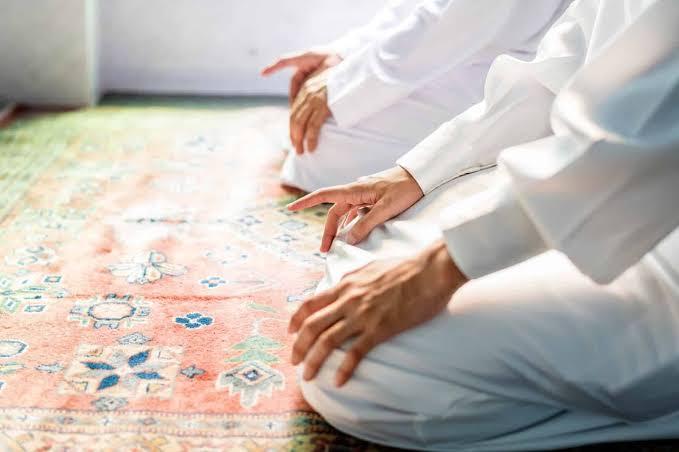
Egypt’s Dar Al-Ifta explains the ruling for a person who performs Wudu and then impurity falls on their clothes or body without knowing its exact location, clarifying the proper purification method for valid prayer.
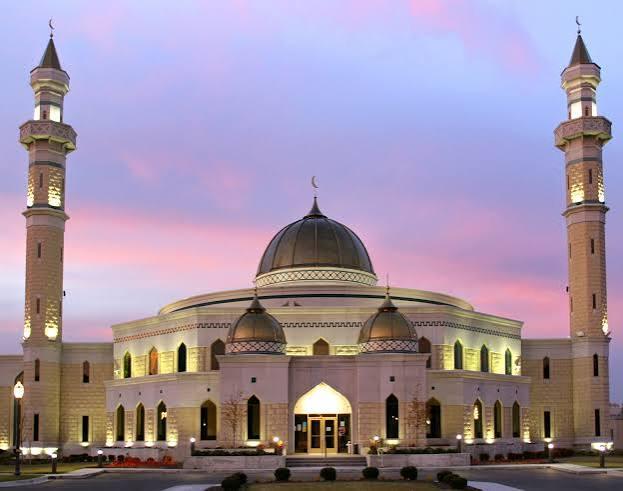
The Ministry of Awqaf continues its efforts to develop and maintain houses of worship by inaugurating 25 new mosques on Friday, July 17, 2026, as part of its nationwide mosque construction, reconstruction, renovation, and maintenance plan.
