
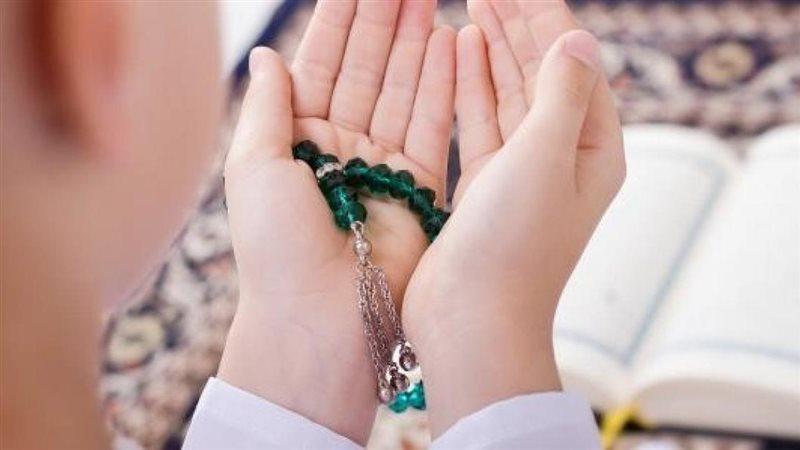

The supplication at iftar during mid-Rajab 2026 holds deep spiritual significance for fasting Muslims, as it coincides with one of the most hopeful moments for answered prayers. Prophet Muhammad (peace be upon him) emphasized that the prayer of a fasting person at the time of breaking the fast is among the prayers that are not rejected.
During these blessed days, worshippers intensify their supplications at sunset, seeking lawful provision, forgiveness, relief from hardship, and closeness to God, especially during the white days of the month.
Common iftar supplications include asking for lawful sustenance, protection from hardship, and acceptance of prayers, alongside the prophetic supplication:
“O Allah, for You I have fasted, and with Your provision I break my fast,”
and “Thirst has gone, the veins are moistened, and the reward is assured, God willing.”
Scholars highlight that sincere intention, humility, and persistence in prayer are key to acceptance, reminding believers that fasting is not merely abstaining from food and drink, but a profound act of devotion that purifies the soul and opens doors of mercy.
Mid-Rajab remains a spiritual opportunity to renew faith, seek forgiveness, and draw closer to God through supplication, fasting, and remembrance.




