
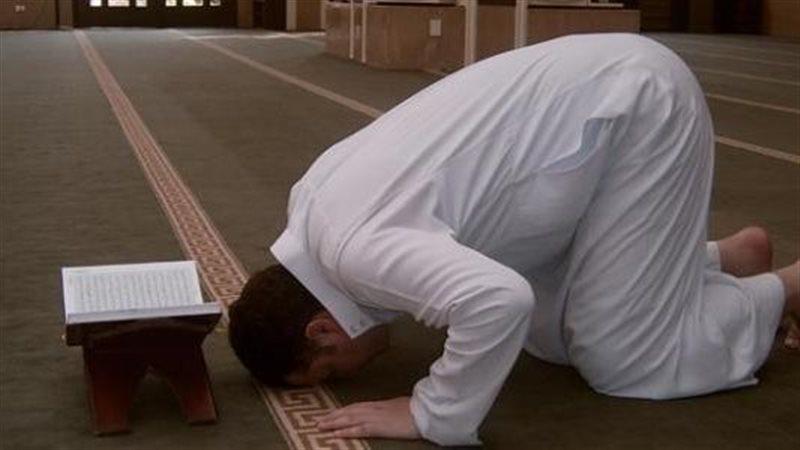

Dar Al-Ifta received a question about reciting a verse that requires Sajdat al-Tilawah (prostration of recitation) during a silent prayer. They clarified that it is preferable to avoid reciting such verses silently to prevent confusion among the congregation, and if recited, prostration may be delayed until after the prayer ends.
Ruling on Prostration of Recitation
Sajdat al-Tilawah is a recommended act for both the reciter and listener, whether in prayer or outside. The reciter is rewarded, and the one who leaves it unpunished. Historical example: Umar ibn Al-Khattab recited Surat An-Nahl and paused at the prostration, demonstrating the practice to the congregation.
Scholarly Opinions in Detail
-
Hanafi:
-
Discourages reciting prostration verses silently to avoid confusing followers.
-
If recited, delay prostration until after prayer; followers may choose to follow or not.
-
-
Maliki:
-
Discouraged in silent or obligatory prayers; followers may be confused.
-
Prostration immediately is permissible; announcing the verse is recommended if following during silent prayer.
-
-
Shafi’i:
-
No dislike in reading; prostration is recommended or a sunnah.
-
Preferable to delay prostration in silent prayers to avoid confusion.
-
-
Hanbali:
-
Discouraged in silent prayer; same for immediate prostration.
-
Followers may follow if the Imam prostrates, but not obligatory.
-
Practical Guidance for Silent Prayer
-
Avoid reading a verse requiring prostration if possible.
-
If recited, delay prostration until after the prayer.
-
In audible prayer, announce the verse so followers understand the reason for prostration.
Purpose of Delay or Avoidance
-
Maintain prayer order and prevent confusion among followers.
-
Avoid misconception that the Imam forgot bowing or committed an error, which could disrupt focus and devotion.
Practical Conclusion by Dar Al-Ifta
-
Reading is allowed but disliked in silent prayers.
-
Prostration may occur immediately or after prayer ends.
-
Announcing the verse helps followers follow correctly.




