
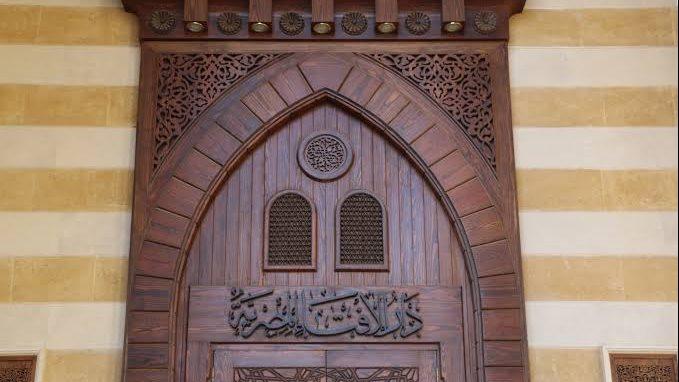

Dr. Mahmoud Shalaby, Secretary of Fatwa at Dar Al-Ifta Egypt, received a question from a citizen in Damietta asking about the Islamic ruling regarding imposing extra charges on those who delay in paying their installment dues.
He explained that installment sales are permissible in Islam as long as the total price and payment schedule are clearly defined from the outset. It is also permissible for the installment price to be higher than the cash price, provided both parties agree to it before the contract is concluded.
However, Dr. Shalaby emphasized that Islam strictly prohibits usury (riba) in all its forms, whether in loans or sales, as it exploits the debtor’s need by increasing the debt in exchange for time — a practice known historically as riba al-nasi’ah.
He noted that imposing an increase on a debtor for late payment constitutes prohibited usury, as it adds to the debt in return for delay. Instead, Islam commands leniency towards those in hardship, citing the Qur’anic verse:
“And if the debtor is in difficulty, then grant him time until it is easy for him.”
Dr. Shalaby added that the ruling differs if the buyer deliberately delays payment despite being able to pay. In such cases, the seller may claim compensation for actual damage, provided it reflects the real, proven loss and is not based on a predetermined percentage such as 1% or 5% monthly.
He clarified that stipulating a fixed late fee in advance is not permissible, since damages vary by circumstance and must be determined after they occur, based on expert assessment or arbitration.
Dr. Shalaby concluded by warning against including any clause of increased payment for delay in the original contract, as it falls under the prohibition of riba, affirming that Islamic financial ethics aim to ensure fairness and compassion between all parties.




