Is Delaying Prayer Due to Work Permissible? Ruling on Missed Prayers
Many employees and workers ask: Is delaying prayer because of work permissible? Learn the Islamic ruling on postponing prayers, combining prayers, and making up missed prayers.
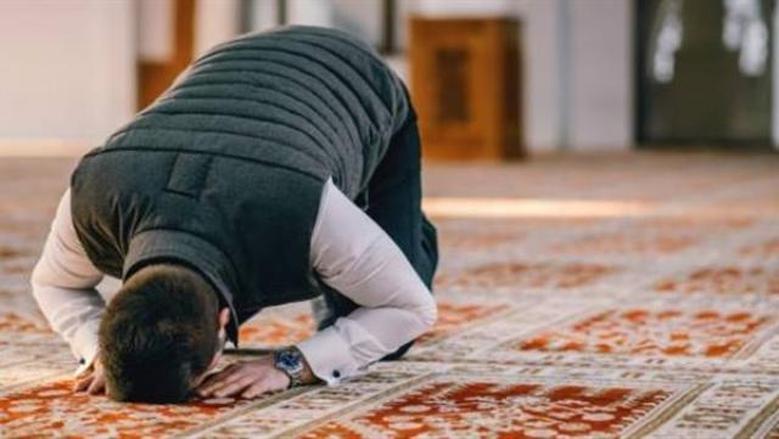

Is Delaying Prayer Due to Work Permissible? Ruling on Prayer Outside Its Time
The question “Is delaying prayer because of work permissible?” is frequently asked by employees, workers, and professionals, especially those who face long working hours or difficulty leaving their workplace during prayer times. This question is important because prayer is one of the greatest acts of worship in Islam and must be performed at its appointed times. A Muslim should not intentionally delay prayers beyond their times without a valid Islamic excuse. Therefore, many people seek to understand the ruling on delaying prayer because of work, when combining prayers is allowed, and how to deal with missed prayers.
Ruling on Delaying Prayer Due to Work Circumstances
Sheikh Awaida Othman, Secretary of the Fatwa Department at the Egyptian Dar Al-Ifta, explained that the basic principle is performing prayers at their prescribed times, based on Allah’s saying: ﴿Indeed, prayer has been decreed upon the believers a decree of specified times﴾. He emphasized that Muslims should make every effort to avoid delaying prayers and should organize their responsibilities in a way that allows them to fulfill this obligation.
Is Delaying Prayer Because of Work Permissible?
The Egyptian Dar Al-Ifta explained that the original ruling is that prayer should not be delayed beyond its time because of work. However, exceptional situations may occur where a person faces unavoidable hardship or necessity. Examples include: Performing a surgery that cannot be interrupted. Being involved in essential work where leaving the workplace would cause serious harm. Facing circumstances that make performing prayer at its exact time extremely difficult. In such cases, a person may be allowed to combine prayers as a concession, such as combining Dhuhr with Asr or Maghrib with Isha, according to Islamic guidelines.
Ruling on Combining Prayers Due to Work
Islamic scholars explain that combining prayers is one of the concessions granted by Islamic law to remove hardship and difficulty. Scholars have relied on reports that Prophet Muhammad ﷺ combined prayers in certain situations, and on the explanation of Abdullah ibn Abbas رضي الله عنهما that the purpose was to make matters easier for the Muslim community. However, this concession should not become a daily habit simply because of work. It is only used when there is a genuine need or significant hardship.
Ruling on Missing Prayer Because of Work
A Muslim is not permitted to intentionally allow prayer time to pass because of work commitments. Instead, a person should seek practical solutions, such as: Taking a short break during prayer times. Coordinating with workplace management. Finding a suitable place for prayer at work. Work is not considered an excuse for abandoning prayer. Rather, Muslims should balance their professional duties with their religious obligations.
Ruling on Making Up Prayers Missed for Many Years
The Egyptian Dar Al-Ifta stated that missed prayers must be made up, citing the saying of Prophet Muhammad ﷺ: “Whoever forgets a prayer should pray it when he remembers it; there is no expiation for it except that.” Reported by Al-Bukhari and Muslim. The scholars explained that if making up prayers is required from someone who missed them due to forgetfulness, then it is even more necessary for someone who intentionally neglected them without an excuse. They also cited the Prophet’s saying ﷺ: “The debt owed to Allah is more deserving of being fulfilled.” Reported by Muslim.
How to Make Up Missed Prayers
Scholars explain that a person who has missed prayers should make them up while observing the proper order if the number of missed prayers is small. If the missed prayers are numerous and difficult to count, a person may pray an additional missed prayer alongside each current obligatory prayer until they are reasonably certain that all missed prayers have been completed.
Ruling on Making Up a Missed Prayer After Returning From Travel
The Al-Azhar Global Center for Electronic Fatwa explained that Muslims must perform obligatory prayers at their appointed times. Islamic law provides concessions for travelers, including shortening four-unit prayers and combining prayers to reduce hardship. Scholars have differed regarding a person who missed a prayer while traveling and remembers it after returning home. The Hanafi and Maliki schools held that the prayer should be made up in its shortened form, with two units, because it became obligatory upon the person while they were traveling. They based this view on the Prophet’s saying ﷺ: “Whoever forgets a prayer or sleeps through it, its expiation is to pray it when he remembers it.” Reported by Muslim.
The Importance of Maintaining Prayer While Working
Prayer is not an obstacle to success or productivity. Rather, it brings discipline, peace, and blessings into a Muslim’s life. Ways to maintain prayers during work include: Knowing prayer times in advance. Organizing work responsibilities around prayer schedules whenever possible. Performing prayers as early as possible. Seeking reasonable arrangements during difficult situations.
Conclusion
Delaying prayer beyond its appointed time because of work is not permissible if done intentionally without a valid excuse. However, if a person faces genuine necessity or unavoidable hardship, Islamic concessions may apply, including combining certain prayers according to proper guidelines. Missed prayers must be made up, and Muslims should always strive to balance their professional responsibilities with their duty toward Allah.
Is delaying prayer because of work permissible?
The basic ruling is that prayer should be performed on time. Delaying it is only allowed in cases of genuine necessity or hardship.
Can prayers be combined because of work?
Combining prayers may be allowed when there is a real need or hardship, but it should not become a regular habit.
What should someone do if they miss prayer because of work?
They should perform the missed prayer as soon as they are able and seek to avoid repeating the situation.
Is work an excuse for leaving prayer?
No. Work is not an excuse for abandoning prayer, and Muslims should arrange their schedules to perform it.
How can someone make up many missed prayers?
They should gradually make them up alongside current prayers until they believe they have completed what they owe.

Learn the best formulas of Istighfar mentioned from the Prophet ﷺ, including Sayyid al-Istighfar, and how to establish a daily habit of seeking Allah’s forgiveness.

Learn about the story of Prophet Saleh (peace be upon him) with the people of Thamud, his call to worship Allah alone, the miracle of the she-camel, and the fate of those who rejected the truth as mentioned in the Quran.

Discover the story of Prophet Yahya (John), his miraculous birth, noble qualities, his position among the prophets, and the lessons mentioned in the Holy Quran.

Discover the most powerful dua for protecting children from harm, the evil eye, and envy, along with supplications for seeking Allah’s protection and care for them.
