
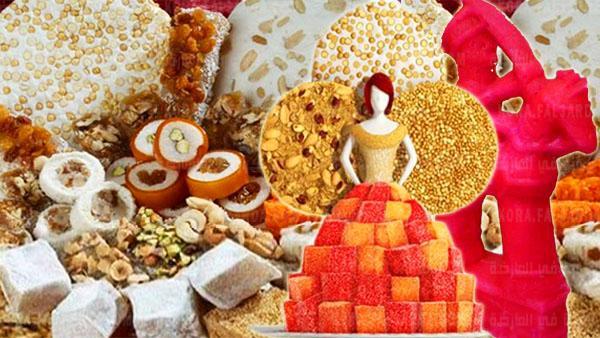

As the month of Rabi’ al-Awwal 1448 AH begins, many Muslims ask about the ruling on celebrating the Prophet Muhammad’s birthday, including the practice of distributing food and sweets on 12 Rabi’ al-Awwal.
A common question is: Is distributing food and sweets on the Prophet’s Birthday considered a bid‘ah (religious innovation)?
Egypt’s Dar Al-Ifta has addressed this question and explained its position regarding celebrating the Prophet’s Birthday and the acts of charity, feeding people, and expressing joy associated with the occasion.
Is Distributing Food and Sweets on Mawlid Considered a Bid‘ah?
According to Egypt’s Dar Al-Ifta, celebrating the Prophet’s Birthday is an expression of honoring the Prophet Muhammad, peace and blessings be upon him, and showing joy at his birth.
The institution explains that expressing happiness on this occasion can include feeding people, preparing meals, giving charity, and helping the poor.
Based on this view, distributing food and sweets during Mawlid is not considered a bid‘ah when it is understood as an act of charity, feeding others, and expressing happiness at the occasion, rather than believing that such distribution is itself an obligatory religious practice.
What Is the Ruling on Feeding People During Mawlid?
Dar Al-Ifta explains that feeding people is among the charitable practices associated with celebrations of the Prophet’s Birthday.
It cites the historian and hadith scholar al-Sakhawi in his work Al-Ajwibah al-Mardiyyah, describing how Muslims in various regions used to mark the month of the Prophet’s birth by preparing meals, giving charity, showing happiness, and increasing acts of kindness.
According to this perspective, distributing food and sweets can therefore serve as a form of charity and bringing happiness to others.
What Does Dar Al-Ifta Say About Charity on the Prophet’s Birthday?
Dar Al-Ifta emphasizes that charity is a virtuous act, and giving charity during Mawlid can be an expression of happiness and love for the Prophet Muhammad, peace and blessings be upon him.
It also cites Imam Abu Shamah al-Maqdisi in Al-Ba'ith 'ala Inkar al-Bida' wal-Hawadith, where he discussed what he regarded as beneficial innovations and mentioned charitable practices, acts of kindness, decoration, and expressions of happiness associated with the Prophet’s Birthday in the city of Irbil.
According to this scholarly approach, feeding people and giving charity during Mawlid combine helping those in need with expressing joy at the occasion.
Is Distributing Mawlid Sweets Permissible?
According to the position of Egypt’s Dar Al-Ifta, distributing sweets and food during Mawlid falls under expressions of happiness, charity, and feeding others.
The practice is therefore not considered prohibited merely because it is associated with the occasion.
The important consideration is that such activities should remain free from prohibited practices and that the person intends goodness, charity, and bringing happiness to others.
Why Do Some Muslims Celebrate the Prophet’s Birthday?
Those who consider Mawlid celebrations permissible associate the occasion with love and reverence for the Prophet Muhammad, peace and blessings be upon him, and gratitude to Allah for sending him as a mercy to the worlds.
Forms of celebration may include reading the Prophet’s biography, sending blessings upon him, giving charity, feeding people, and expressing happiness.
Is 12 Rabi’ al-Awwal the Agreed Date of the Prophet’s Birth?
12 Rabi’ al-Awwal is widely cited as the date of the Prophet Muhammad’s birth, but historians and scholars of Prophetic biography have differed regarding the exact date.
Therefore, discussion of Mawlid on 12 Rabi’ al-Awwal should take this historical difference into consideration while focusing on the nature of the charitable and devotional acts performed on the occasion.
Conclusion
According to the position of Egypt’s Dar Al-Ifta, distributing food, sweets, and charity and feeding the poor during the Prophet’s Birthday are among expressions of happiness and honoring the Prophet Muhammad, peace and blessings be upon him.
From this perspective, distributing sweets and food is not considered a bid‘ah when it is done as an act of charity and kindness.
Such acts should remain voluntary and should not be treated as an obligatory religious practice, while observing Islamic principles and avoiding anything prohibited.
Is distributing Mawlid sweets a bid‘ah?
According to Egypt’s Dar Al-Ifta, distributing sweets and food during Mawlid falls under charity, feeding people, and expressions of happiness, and is not considered a bid‘ah on that basis.
Is it permissible to distribute food during Mawlid?
Yes. According to Dar Al-Ifta’s position, feeding people and giving charity during the occasion are permissible acts of goodness.
Is celebrating the Prophet’s Birthday permissible?
Egypt’s Dar Al-Ifta considers celebrating the Prophet’s Birthday permissible and views expressing love and happiness for the Prophet as a legitimate meaning.
Was the Prophet born on 12 Rabi’ al-Awwal?
12 Rabi’ al-Awwal is a widely cited date, but scholars and historians have differed over the exact date of the Prophet’s birth.
What are good deeds to perform during Mawlid?
A person may send blessings upon the Prophet, read his biography, give charity, feed people, and perform other lawful acts of goodness.




