
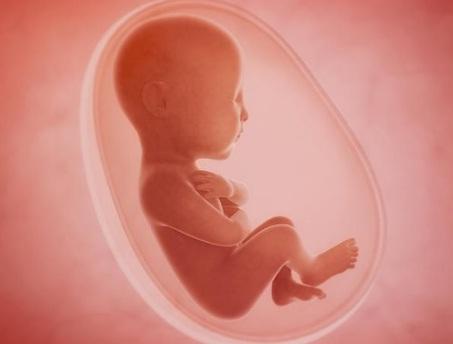

With the advancement of medical technology, questions surrounding gender selection have resurfaced, prompting Egypt’s official Fatwa authority to clarify the Islamic ruling on the matter following a question from a woman seeking to choose the gender of her future child.
Dar Al-Ifta stated that selecting a baby’s gender is permissible under Islamic law on an individual basis, as there is no explicit prohibition in Sharia, provided that the medical procedures involved pose no harm to the child, either immediately or in the future, and that such procedures are supervised by qualified medical professionals.
The Fatwa emphasized that Islam establishes a natural balance between males and females as part of divine wisdom, and that this balance must be preserved at the societal level. While individuals may exercise personal choice within ethical limits, widespread application of gender selection could disrupt social equilibrium.
Medical and natural methods, including timing, dietary planning, and laboratory techniques, are allowed when used responsibly and safely, without turning human life into a subject of experimentation or genetic manipulation.
Dar Al-Ifta warned that applying gender selection on a large scale could lead to demographic imbalance, contradicting the divine order and threatening long-term social stability.
The ruling concluded by reaffirming that Islamic law balances personal desires with collective welfare, permitting what benefits individuals while safeguarding society as a whole.




