
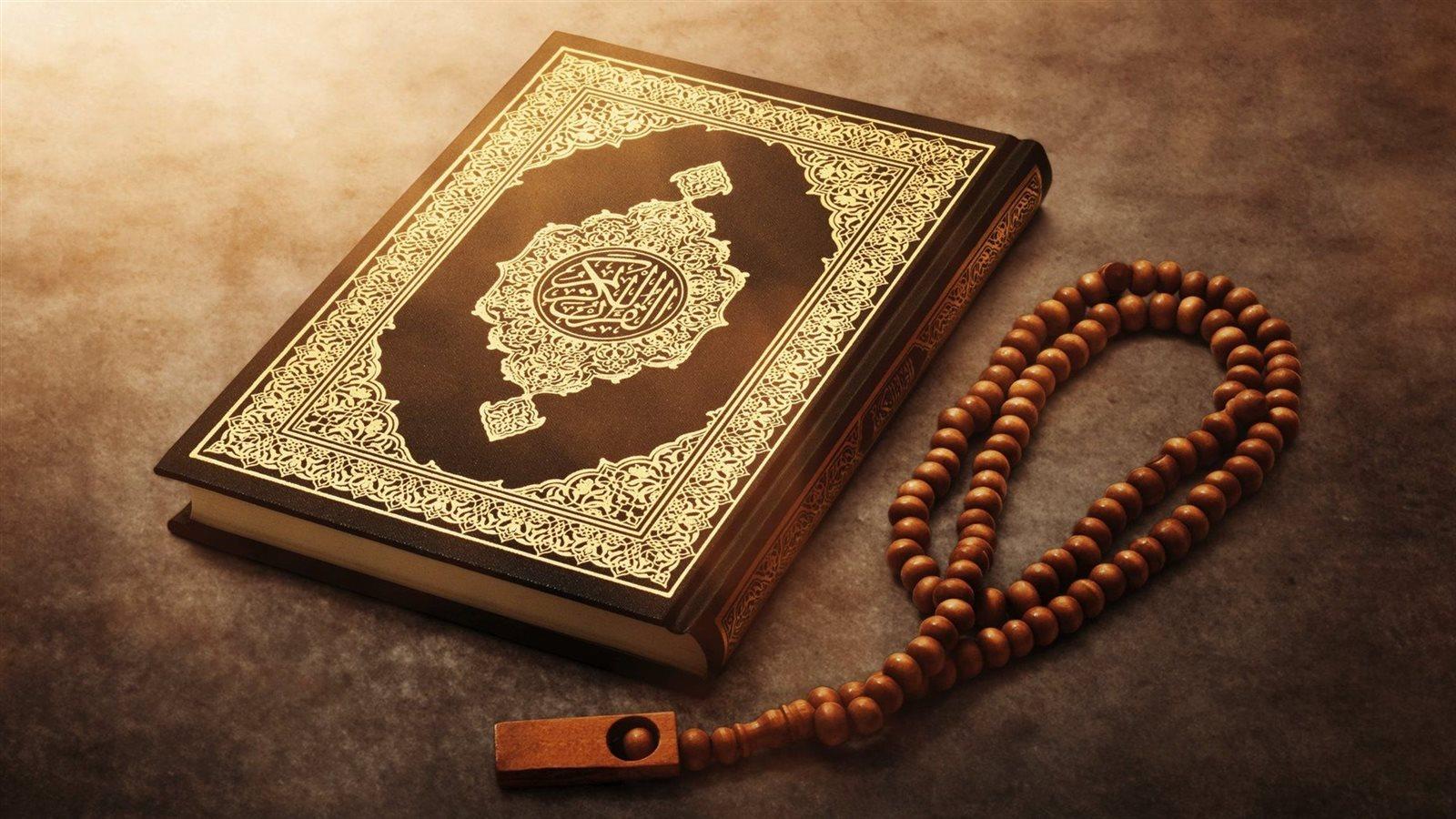

The Holy Quran holds the highest sacred status in the hearts of Muslims, as it represents the word of God. This has led to questions about everyday practices, including placing money or papers inside it for safekeeping.
Religious scholars affirm that honoring, respecting, and preserving the Quran is a well-established principle in Islamic teachings, and it must be treated in a manner that reflects its sanctity.
Placing money inside the Quran is generally discouraged, as it was not revealed to serve as a storage place for valuables, but rather for recitation, reflection, and worship. Some scholars consider it disliked unless there is a genuine necessity.
However, exceptions may apply in cases of need, provided that no alternative storage is available, while ensuring that the sanctity of the Quran is preserved at all times.
Islamic etiquette also stresses avoiding placing objects on top of the Quran, keeping it in a clean and respectful place, and handling it with care and reverence.
Scholars further clarify that the Quran refers to the divine words of God, while the Mushaf is the physical book containing those words, making its respect an extension of reverence for revelation itself.
Ultimately, how a believer treats the Quran reflects their level of reverence for God’s words, making proper etiquette an essential part of faith.
For more details and the latest updates, follow misr Connect




