
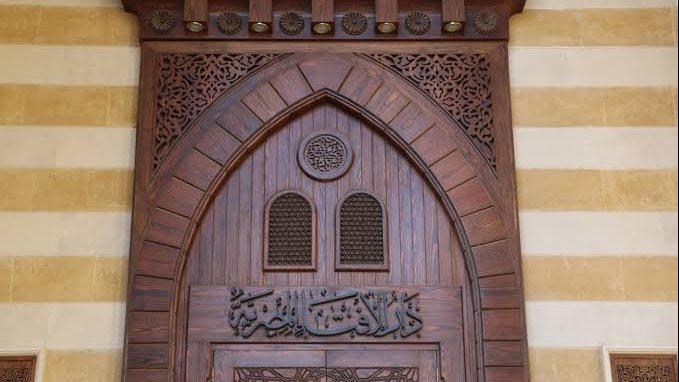

Egypt's Dar Al-Ifta has stated that stealing electricity and natural gas is strictly prohibited (haram) in Islam. Such actions constitute an assault on public property, a breach of trust, a violation of contracts and legal regulations, and harm to the public interest, which Islamic law strongly protects.
The Islamic Ruling on Stealing Electricity and Natural Gas
Dar Al-Ifta explained that protecting wealth is one of the fundamental objectives of Islamic law. Therefore, Islam forbids taking the property of others without legal right. As Allah says in the Quran:
"O you who have believed, do not consume one another's wealth unjustly." (Quran 4:29)
It also cited the Prophet Muhammad's (peace be upon him) saying:
"Indeed, your blood, your property, and your honor are sacred to one another." (Sahih al-Bukhari and Sahih Muslim)
Why Is Stealing Electricity Considered an Attack on Public Property?
According to Dar Al-Ifta, electricity and natural gas are public assets owned by the state or public institutions for the benefit of society. Using these services without paying for them is considered an infringement on the rights of the entire community, not just a specific organization.
In Islamic jurisprudence, public property is often referred to as "the wealth of Allah", meaning it is managed by the governing authority for the welfare of society. Therefore, violating public property is regarded as an especially serious offense.
Quranic and Prophetic Evidence
Dar Al-Ifta cited the following Quranic verse:
"And it is not for a prophet to act dishonestly. Whoever betrays shall come on the Day of Resurrection carrying what he took." (Quran 3:161)
It also referenced Imam Al-Qurtubi's explanation that anyone who betrays public trust will come on the Day of Judgment carrying what was unlawfully taken before all people.
Additionally, the Prophet Muhammad (peace be upon him) said:
"There are people who deal unlawfully with the wealth of Allah; for them is the Fire on the Day of Resurrection." (Sahih al-Bukhari)
A Breach of Trust and Contracts
Dar Al-Ifta emphasized that obtaining electricity or natural gas without paying the required fees violates the contractual agreement between citizens and service providers. This is considered a breach of trust, which Islam strongly condemns.
Allah says in the Quran:
"O you who have believed, fulfill all contracts." (Quran 5:1)
The Prophet Muhammad (peace be upon him) also said:
"The signs of a hypocrite are three: when he speaks, he lies; when he makes a promise, he breaks it; and when entrusted, he betrays that trust." (Sahih al-Bukhari and Sahih Muslim)
The Harm Caused by Electricity Theft
Damage to Public Interest
Electricity and gas theft increases financial burdens on the state and society, negatively affecting the quality and sustainability of public services.
Violation of Public Order
It undermines legal systems established to protect public utilities and creates injustice toward citizens who pay for these services.
Unlawful Consumption of Wealth
Using public utilities without paying for them is considered an unlawful appropriation of wealth, which Islam explicitly prohibits.
Dar Al-Ifta's Conclusion
Dar Al-Ifta concluded that stealing electricity and natural gas is unequivocally forbidden in Islam because it combines several prohibited acts: violating public property, betraying trust, breaking contracts, disobeying the law, and harming the public interest. Muslims are therefore obligated to respect public resources and fulfill their financial and legal obligations.
Is stealing electricity haram in Islam?
Yes. According to Egypt's Dar Al-Ifta, stealing electricity is prohibited because it constitutes theft of public property and a breach of trust.
Is natural gas considered public property?
Yes. Natural gas distributed through public utility systems is considered public property managed for the benefit of society.
Why does Islam place special emphasis on protecting public property?
Because public property belongs to the entire community, and violating it harms the rights and interests of all people.
What Quranic verse supports fulfilling service agreements?
The Quran states: "O you who have believed, fulfill all contracts." (Quran 5:1)
Is using electricity without paying considered a breach of trust?
Yes. Dar Al-Ifta considers obtaining electricity or natural gas without paying the required fees a breach of trust and a violation of both Islamic and legal obligations.




