
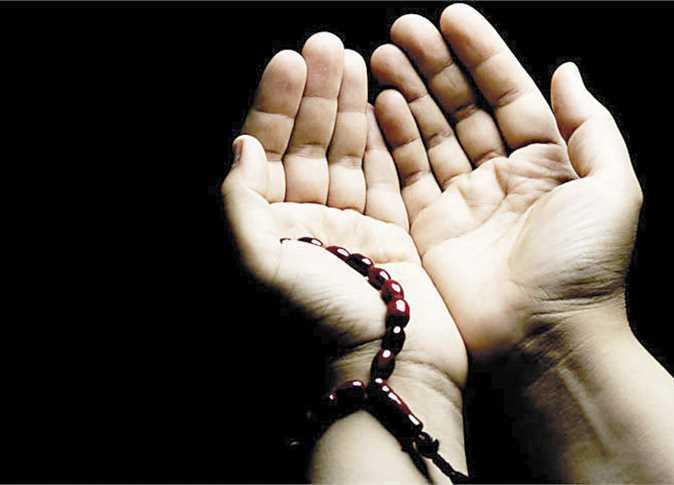

As the month of Rajab approaches, Muslims increase their acts of devotion, including prayers, fasting, charity, Umrah, remembrance of Allah, and other righteous deeds, reflecting the significance of this month in Islam.
The Egyptian Fatwa Authority emphasized that righteous deeds in Rajab, like in other sacred months, carry great reward. Worship is permissible throughout the year unless a specific text prohibits it.
Islamic law restricts worship only in specific cases, such as fasting on Eid al-Fitr, Eid al-Adha, and the days of Tashreeq; otherwise, believers are encouraged to draw near to Allah at all times.
Rajab’s status is derived from being one of the sacred months mentioned in the Quran:
﴿Indeed, the number of months with Allah is twelve… four of them are sacred﴾. The Prophet Muhammad (peace be upon him) specified these months, identifying Rajab as separate from the consecutive sacred months: Dhu al-Qi'dah, Dhu al-Hijjah, and Muharram. Imam Al-Tabari noted that sins in sacred months are more serious, while good deeds are rewarded more.
Fasting during Rajab is permissible at any time during the month, based on general rules of voluntary fasting. There is no prohibition on fasting at the beginning, middle, or end of the month.
In summary, there is no specific worship prescribed exclusively for Rajab; Muslims are encouraged to increase all lawful acts of devotion while recognizing the virtue and sanctity of the month.




